看磊叔和静姐这日子过的
“How well you and Jing are living.”
THE DIALOGUE REEL
谢了姐 慢慢吃啊
“Thanks. Take your time.”
看磊叔和静姐 这日子过的
“How well you and Jing are living.”
美
“How well you and Jing are living.”
Direct spoken expression in this communicative setting.
Addressing community acquaintances as 'Uncle' (叔) and 'Sister' (姐) builds warm rapport, while praising someone's domestic life ('日子过得美') expresses genuine neighbourly goodwill.
LEARNING CHUNKS & PARTICLES
living one's days; living one's daily life
Colloquial descriptive phrase followed by an evaluation of a person's quality of life or domestic happiness.
Functions here colloquially to nominalize the verb-object phrase '日子过', inviting evaluation or trailing off admiringly.
VOCABULARY & EXPRESSIONS
Parallel Spoken Cinema Scenes (语义近邻切片)

“Lei, how's it going over here? Any progress?”
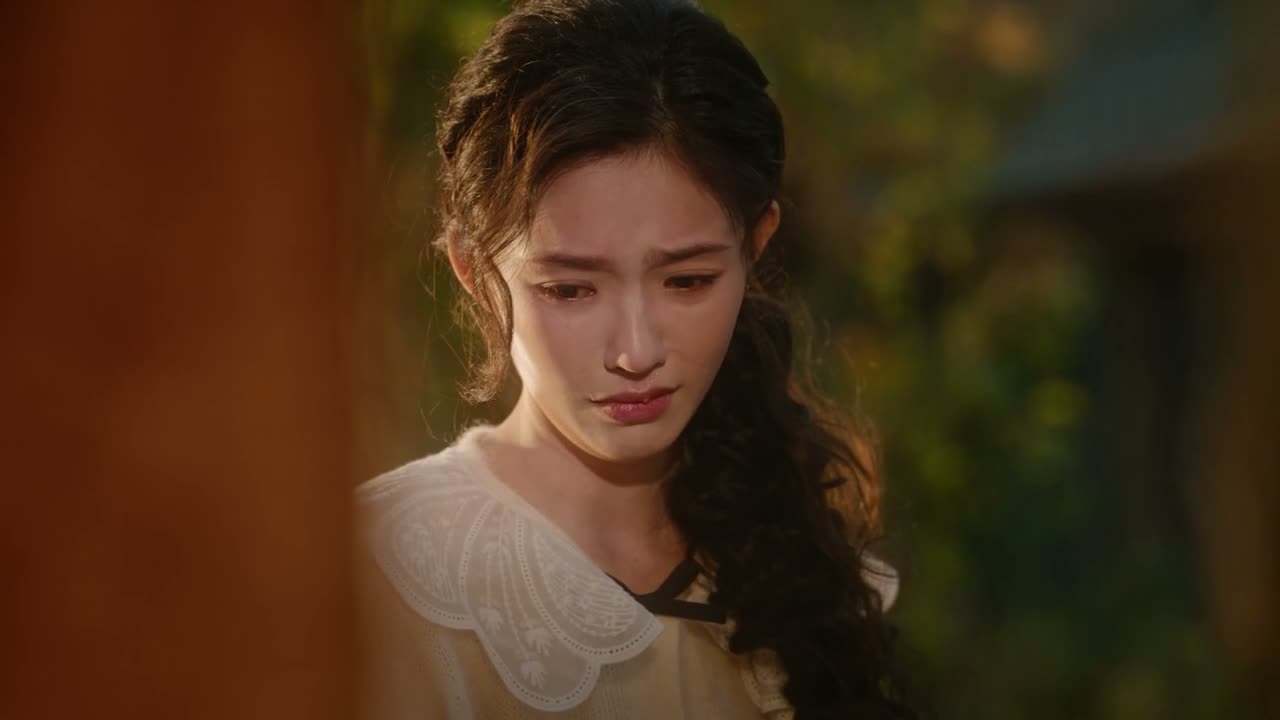
“Come, sit with me for a while.”

“If Jing has collapsed, you must hold it together.”
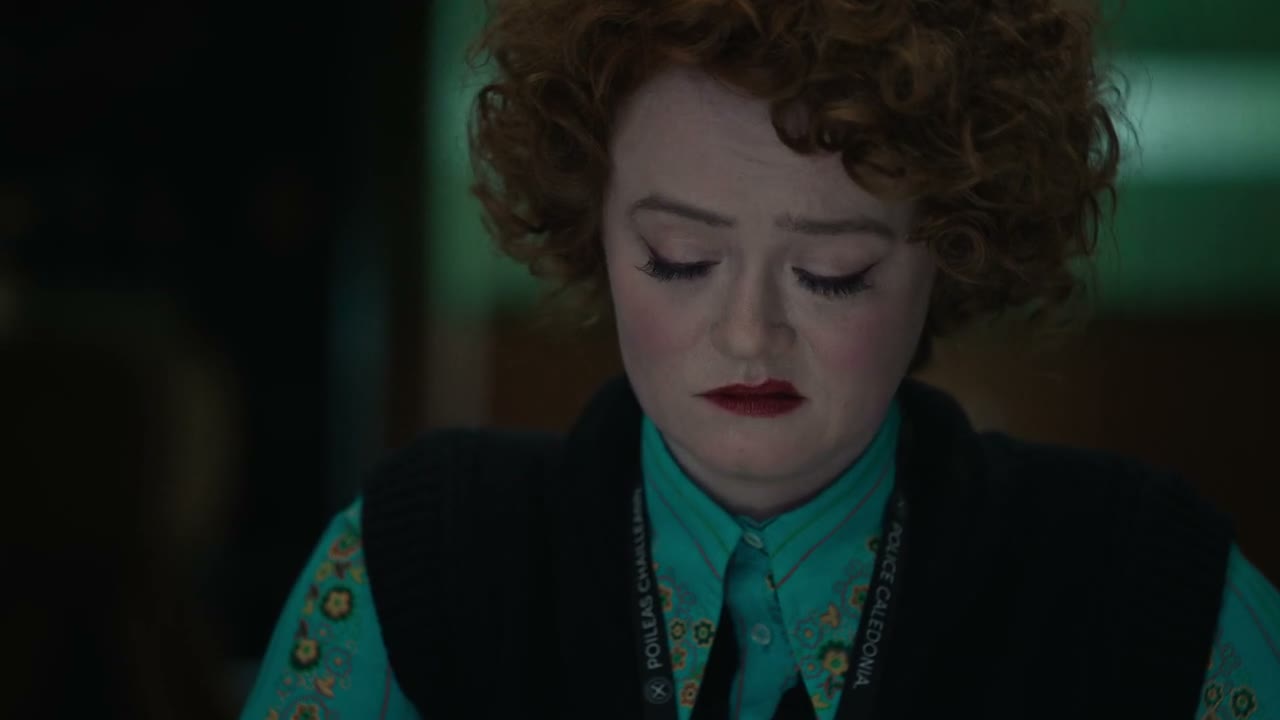
“Lyle broke in during the night. He was 12.”

“Please be quiet. I can't hear Xiaolan. Please be quiet.”

“As his uncles, how could we handle it?”