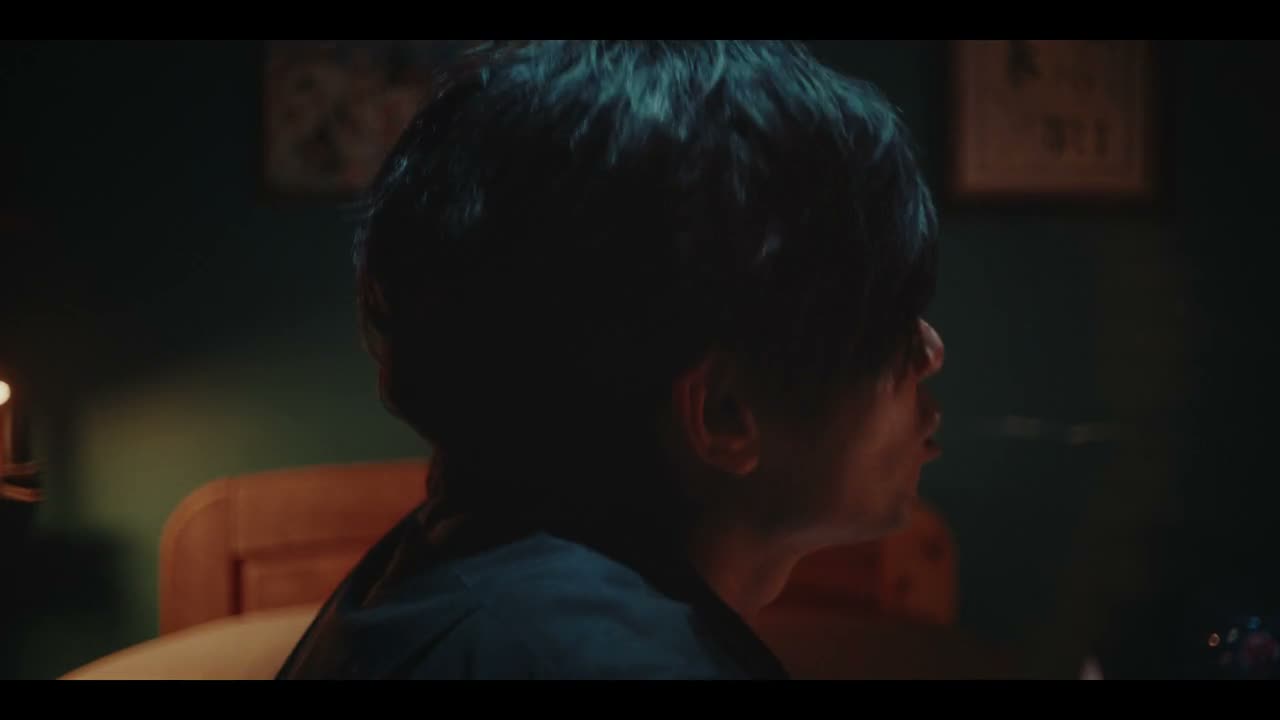
《The Dream Maker》 S1·E22 (20:17)
HSK 3
nǐ shuō děng wǒ chū lái yǐ hòu zhè ge shì jiè huì biàn chéng shén me yàng
你说等我出来以后 这个世界会变成什么样
“What will the world be like when I get out?”
《The Dream Maker》
S1·E22
TIMECODE: 20:17
·
1080P MASTER AUDIO
THE DIALOGUE REEL
[-1] PREVIOUS TURN
hǎi gē
海哥
“Hai.”
nǐ shuō děng wǒ chū lái yǐ hòu zhè ge shì jiè huì biàn chéng shén me yàng
CURRENT FOCUS
你说 等我出来以后 这个 世界会 变成什么样
“What will the world be like when I get out?”
[+1] FOLLOW-UP TURN
gē
哥
“Desheng.”
Subtitles synced to millisecond timecode
Browse Show Clips →
Scene:
Legal & Police
Function:
SPECULATING FUTURE
Tone:
PENSIVE
Emotion:
ANXIETY
WHAT THEY REALLY MEAN (PRAGMATIC SUBTEXT)
“I am terrified that by the time I serve my time, society will have left me behind.”
💡 Cultural Insight: Euphemisms for Incarceration
In Chinese colloquial speech, direct terms like '出狱' (released from prison) are often softened in informal talk using vague directional verbs like '出来' (come out).
INTENT TAGS:
#speculation
#vulnerability
#apprehension
#uncertainty
🧩
2 CHUNKS · 0 PARTICLES
LEARNING CHUNKS & PARTICLES
出来以后
SPOKEN CHUNK
after getting out (often euphemistic for being released from prison)
In crime or legal contexts, '出来' commonly serves as a conversational shorthand for being released from detention or jail.
变成什么样
SPOKEN CHUNK
what it will turn into / what it will look like
Used to express curiosity or concern about how something will evolve over time.
🏮
4 EXPR · 0 GRAMMAR
VOCABULARY & EXPRESSIONS
COLLOQUIAL EXPRESSIONS:
CROSS-CINEMA CORPUS BOARD · PARALLEL SCENES
EXPLORE BY SEMANTIC SIMILARITY
Parallel Spoken Cinema Scenes (语义近邻切片)
《The Dream Maker》 S1·E22 (20:17) · Authentic Cinema Dialogue Corpus