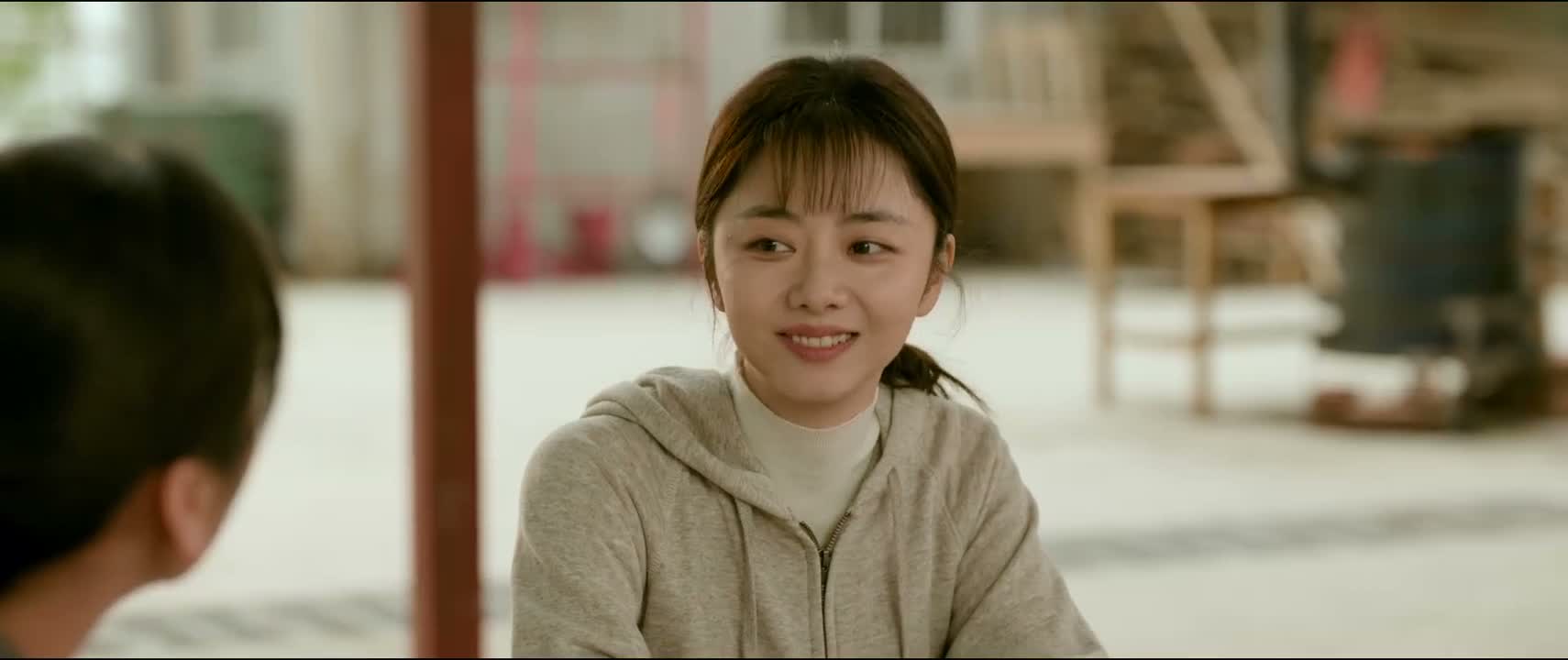
《The Heir》 S1·E6 (33:44)
HSK 2
nín bié xiǎng wǒ a wǒ zǒu le
您别想我啊 我走了
“Don't miss me! I'm leaving!”
《The Heir》
S1·E6
TIMECODE: 33:44
·
1080P MASTER AUDIO
THE DIALOGUE REEL
[-1] PREVIOUS TURN
diē
爹
“Father!”
nín bié xiǎng wǒ a wǒ zǒu le
CURRENT FOCUS
您 别想我 啊 我走了
“Don't miss me! I'm leaving!”
Subtitles synced to millisecond timecode
Browse Show Clips →
Scene:
Family & Home
Function:
BIDDING FAREWELL
Tone:
TEASING
Emotion:
PLAYFULNESS
WHAT THEY REALLY MEAN (PRAGMATIC SUBTEXT)
“I know you're going to miss me terribly, so try to take it easy without me.”
💡 Cultural Insight: Familial Teasing (Family Banter)
In warm Chinese parent-child dynamics, adult children often use reverse psychology or light teasing about missing each other to express unspoken affection.
INTENT TAGS:
#farewell
#teasing
#humor
#lightening_mood
🧩
2 CHUNKS · 2 PARTICLES
LEARNING CHUNKS & PARTICLES
我走了
SPOKEN CHUNK
I'm leaving / I'm off
A common spoken phrase used to announce one's departure when saying goodbye to family or close friends.
别想我
SPOKEN CHUNK
don't miss me
Often used humorously or affectionately among close family members or romantic partners when parting.
Modal Particle「啊」 (a)
CHANGE OF STATE
Softens the imperative command, making the teasing remark warmer and more casual.
Modal Particle「了」 (le)
CHANGE OF STATE
Indicates imminent change of state and signals immediate departure.
🏮
2 EXPR · 0 GRAMMAR
VOCABULARY & EXPRESSIONS
COLLOQUIAL EXPRESSIONS:
CROSS-CINEMA CORPUS BOARD · PARALLEL SCENES
EXPLORE BY SEMANTIC SIMILARITY
Parallel Spoken Cinema Scenes (语义近邻切片)
《The Heir》 S1·E6 (33:44) · Authentic Cinema Dialogue Corpus