MC
MandarinClips Cinema Corpus
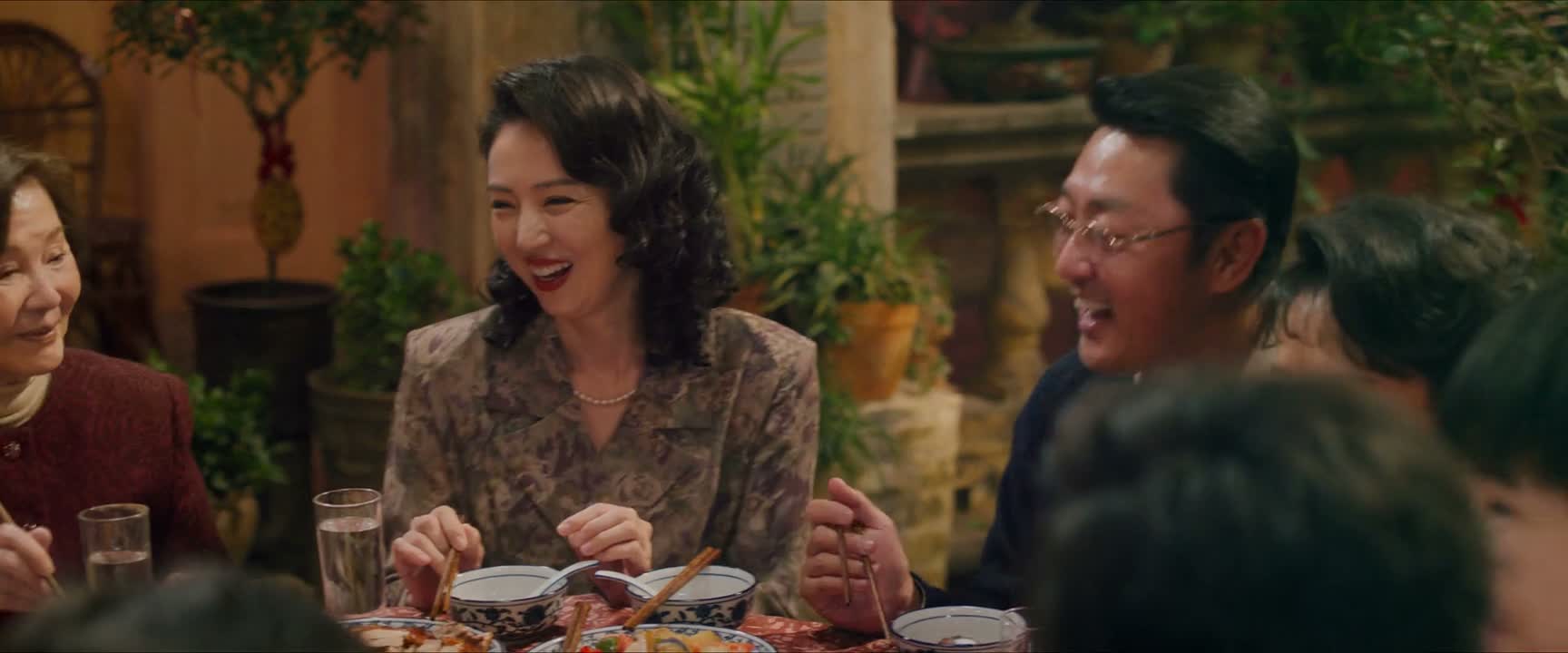
《The Lead》 S1·E32 (14:27) HSK 6
hái gēn wǒ xí fù yǎn duì shǒu nǐ zhī dào wǒ xí fù yǐ qián yǎn shéi de ma

还跟我媳妇演对手 你知道我媳妇以前演谁的吗

“And acting opposite my wife? Do you know who my wife used to play?”

《The Lead》 S1·E32
TIMECODE: 14:27 · 1080P MASTER AUDIO

THE DIALOGUE REEL

1+1+1 SPOKEN CONTINUITY
[-1] PREVIOUS TURN xún qíng zuān yǎn ( xiǎng jǐn bàn fǎ ) dì jǐ dào shěng chéng jù tuán lái le

“doing everything to join the Provincial Troupe?”

hái gēn wǒ xí fù yǎn duì shǒu nǐ zhī dào wǒ xí fù yǐ qián yǎn shéi de ma CURRENT FOCUS

还跟我媳妇 演对手 你知道 我媳妇 以前 演谁的吗

“And acting opposite my wife? Do you know who my wife used to play?”

[+1] FOLLOW-UP TURN lǐ tiě méi xiǎo cháng bǎo pí liàng

李铁梅 小常宝 皮亮

“Li Tiemei, Changbao... Pi Liang!”

Subtitles synced to millisecond timecode Browse Show Clips →
Scene: Workplace
Function: CHALLENGING AUTHORITY
Tone: CONDESCENDING
Emotion: CONTEMPT
WHAT THEY REALLY MEAN (PRAGMATIC SUBTEXT)
“You don't deserve to share a stage with my wife; know your place.”
💡 Cultural Insight: Seniority and Repertory Pedigree

In traditional Chinese opera and state troupes, performing iconic leading revolutionary or classical roles establishes lifelong professional status and entitlement.

INTENT TAGS: #boasting #demeaning #challenging #protecting_reputation
🧩

LEARNING CHUNKS & PARTICLES

2 CHUNKS · 1 PARTICLES
演对手 SPOKEN CHUNK

to play opposite someone (in theater/film)

Standard performing arts term for actors performing counterpart or rival roles together.

你知道...吗 SPOKEN CHUNK

do you know...?

Frequently used rhetorically to establish authority or boast about someone's credentials.

Modal Particle「吗」 (ma) CHANGE OF STATE

Turns the statement into a confrontational rhetorical question.
🏮

VOCABULARY & EXPRESSIONS

3 EXPR · 0 GRAMMAR
CROSS-CINEMA CORPUS BOARD · PARALLEL SCENES

Parallel Spoken Cinema Scenes (语义近邻切片)

EXPLORE BY SEMANTIC SIMILARITY
《The Lead》 S1·E32 (14:27) · Authentic Cinema Dialogue Corpus