《The Lead》 S1·E32 (10:50)
HSK 5
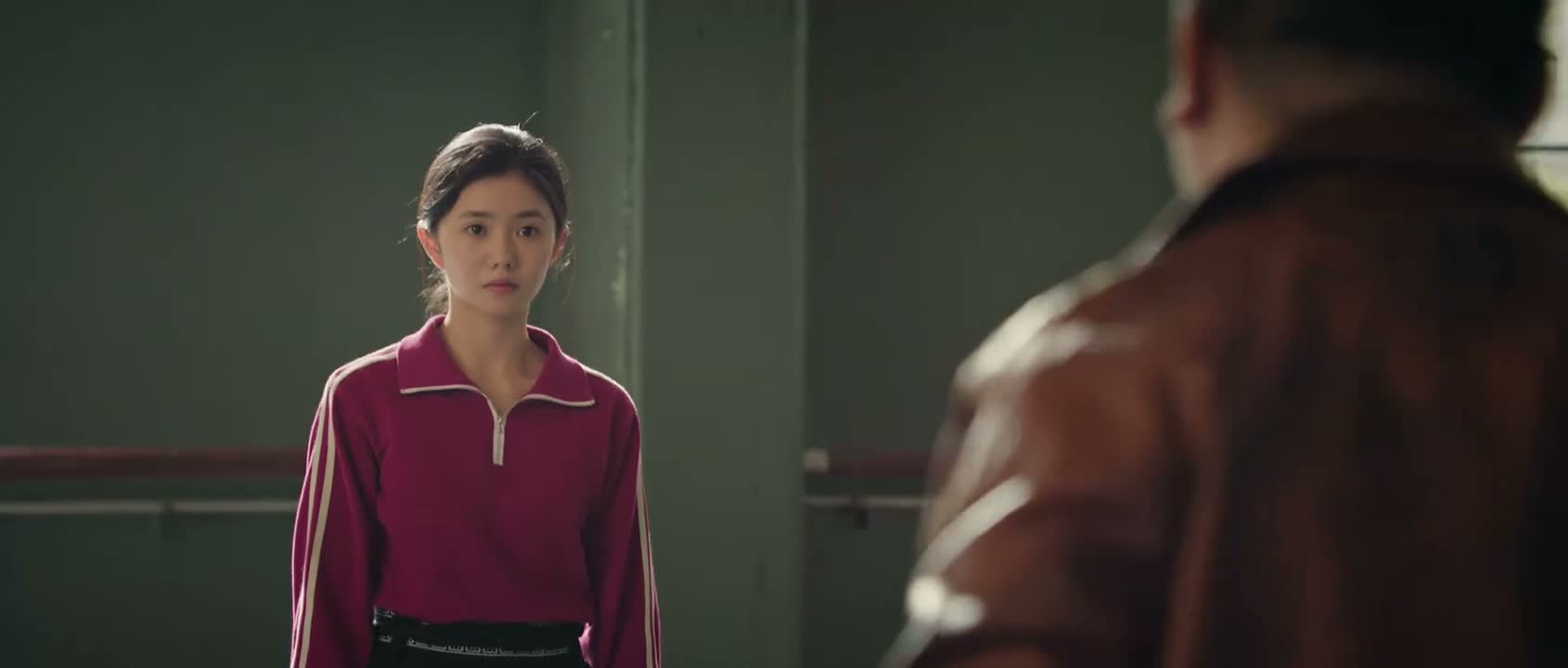
nǐ píng shá zhàn dào zhè zhōng jiān
你凭啥站到这中间
“Why do you get to stand here?”
《The Lead》
S1·E32
TIMECODE: 10:50
·
1080P MASTER AUDIO
THE DIALOGUE REEL
nǐ píng shá zhàn dào zhè zhōng jiān
CURRENT FOCUS
你凭啥 站到这中间
“Why do you get to stand here?”
[+1] FOLLOW-UP TURN
gěi wǒ gǔn gǔn bù gǎn bù gǎn bù gǎn yī biān qù
“Get out! Out! - Don't do this. - Move aside!”
Subtitles synced to millisecond timecode
Browse Show Clips →
Scene:
Crisis & Conflict
Function:
CHALLENGING AUTHORITY
Tone:
CONFRONTATIONAL
Emotion:
ANGER
WHAT THEY REALLY MEAN (PRAGMATIC SUBTEXT)
“You have no right to stand in the center; get out of my way.”
💡 Cultural Insight: Center Position Hierarchy (C-bit / 中间)
In Chinese culture, occupying the central position (中间) symbolizes prominence, status, or leadership; occupying it without perceived authority invites direct confrontation.
INTENT TAGS:
#challenge
#intimidation
#boundary_assertion
#contempt
🧩
1 CHUNKS · 0 PARTICLES
LEARNING CHUNKS & PARTICLES
凭啥
SPOKEN CHUNK
on what grounds; why
A highly colloquial northern Chinese expression used to aggressively or indignantly demand justification.
🏮
1 EXPR · 0 GRAMMAR
VOCABULARY & EXPRESSIONS
COLLOQUIAL EXPRESSIONS:
CROSS-CINEMA CORPUS BOARD · PARALLEL SCENES
EXPLORE BY SEMANTIC SIMILARITY
Parallel Spoken Cinema Scenes (语义近邻切片)
《The Lead》 S1·E32 (10:50) · Authentic Cinema Dialogue Corpus