MC
MandarinClips Cinema Corpus
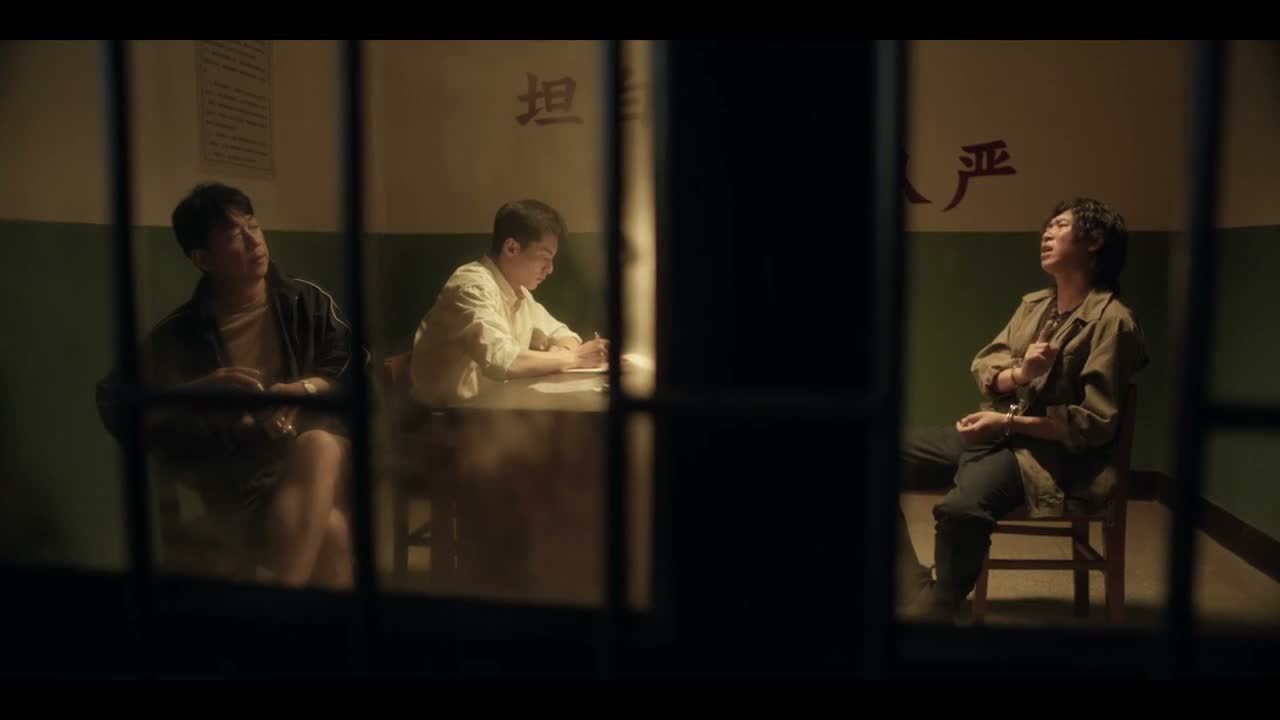
《The Lead》 S1·E32 (19:35) HSK 6
tā lǎo gēn wǒ kè qì shá ne ma

他老跟我客气啥呢嘛

“He's always so polite with me.”

《The Lead》 S1·E32
TIMECODE: 19:35 · 1080P MASTER AUDIO

THE DIALOGUE REEL

1+1+1 SPOKEN CONTINUITY
[-1] PREVIOUS TURN tā shuō xiè xiè nǐ

他说谢谢你

“He says thank you.”

tā lǎo gēn wǒ kè qì shá ne ma CURRENT FOCUS

他老 跟我客气 啥呢嘛

“He's always so polite with me.”

[+1] FOLLOW-UP TURN wǒ yě xiè xiè nǐ

我也谢谢你

“And I want to thank you too.”

Subtitles synced to millisecond timecode Browse Show Clips →
Scene: Daily Life
Function: POLITE BRUSH OFF
Tone: AFFECTIONATE
Emotion: WARMTH
WHAT THEY REALLY MEAN (PRAGMATIC SUBTEXT)
“We are close enough that he doesn't need to treat me like a stranger by constantly thanking me.”
💡 Cultural Insight: Keqi and Relational Distance

In Chinese culture, being overly 'keqi' (polite/ceremonious) with close relations creates emotional distance; dismissing it reaffirms intimacy and in-group belonging.

INTENT TAGS: #deflecting_gratitude #bonding #reducing_distance #casual_affection
🧩

LEARNING CHUNKS & PARTICLES

2 CHUNKS · 2 PARTICLES
客气啥 SPOKEN CHUNK

why be so polite; no need to stand on ceremony

A highly colloquial, warm way to brush off gratitude or formal manners among friends and close associates.

老跟我 SPOKEN CHUNK

always with me; constantly towards me

Informal expression describing habitual action or attitude directed toward the speaker.

Modal Particle「呢」 (ne) CHANGE OF STATE

Emphasizes the rhetorical question, making the inquiry sound conversational and inquisitive.

Modal Particle「嘛」 (ma) CHANGE OF STATE

Softens the rhetorical tone and appeals to common understanding that being polite is unnecessary between friends.
🏮

VOCABULARY & EXPRESSIONS

1 EXPR · 0 GRAMMAR
COLLOQUIAL EXPRESSIONS:
CROSS-CINEMA CORPUS BOARD · PARALLEL SCENES

Parallel Spoken Cinema Scenes (语义近邻切片)

EXPLORE BY SEMANTIC SIMILARITY
《The Lead》 S1·E32 (19:35) · Authentic Cinema Dialogue Corpus