咋 你还有啥意见吗
“What? Do you have any objections?”
THE DIALOGUE REEL
全本的这个这个这个 李慧娘 对 李慧娘
“the full-length opera... well... Li Hui Niang. Right, Li Hui Niang.”
咋 你 还有 啥意见吗
“What? Do you have any objections?”
“Don't you dare complain about my decision; just shut up and do it.”
In hierarchical Chinese workplaces, superiors often use questions like '你有意见吗' not to invite dialogue, but to enforce compliance through intimidation.
LEARNING CHUNKS & PARTICLES
have any objection / have an issue with this
While '意见' literally means 'opinion', in workplace confrontation it frequently means 'objection' or 'complaint'.
Converts the statement into a confrontational rhetorical query demanding confirmation.
VOCABULARY & EXPRESSIONS
Parallel Spoken Cinema Scenes (语义近邻切片)
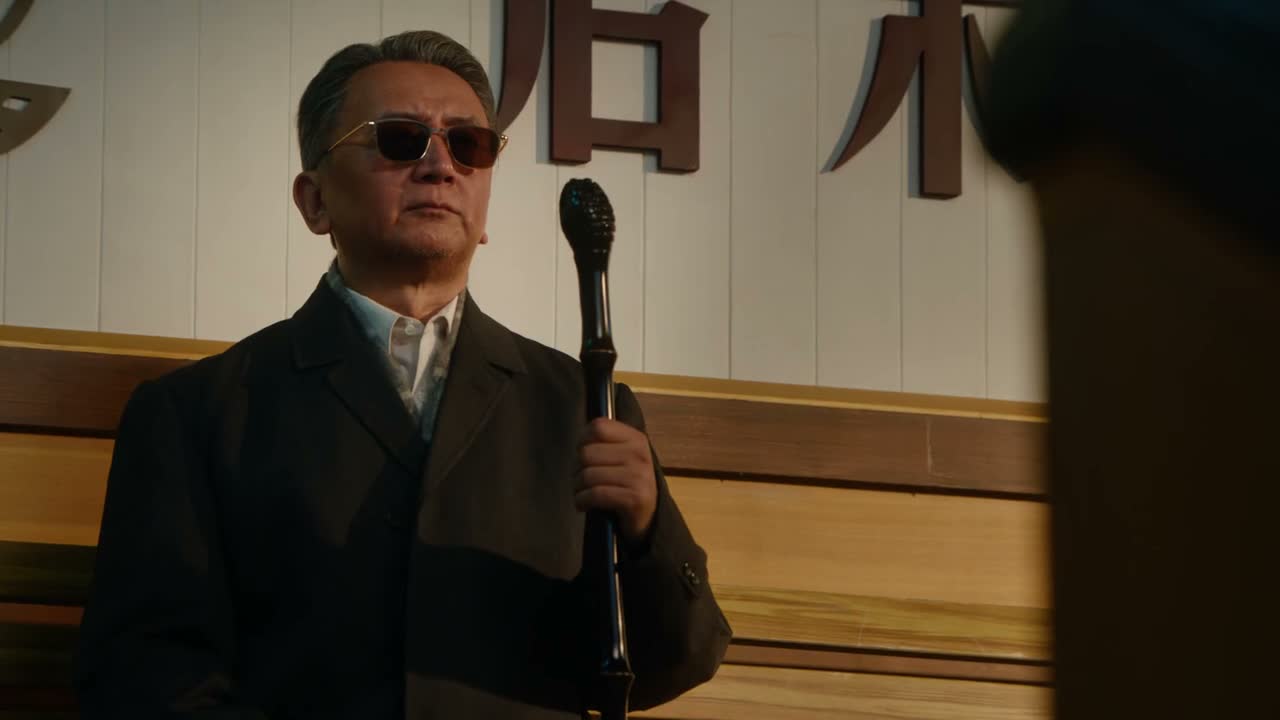
“If you have any suggestions,”

“What's your opinion? What do you think?”

“do you have any other objections?”
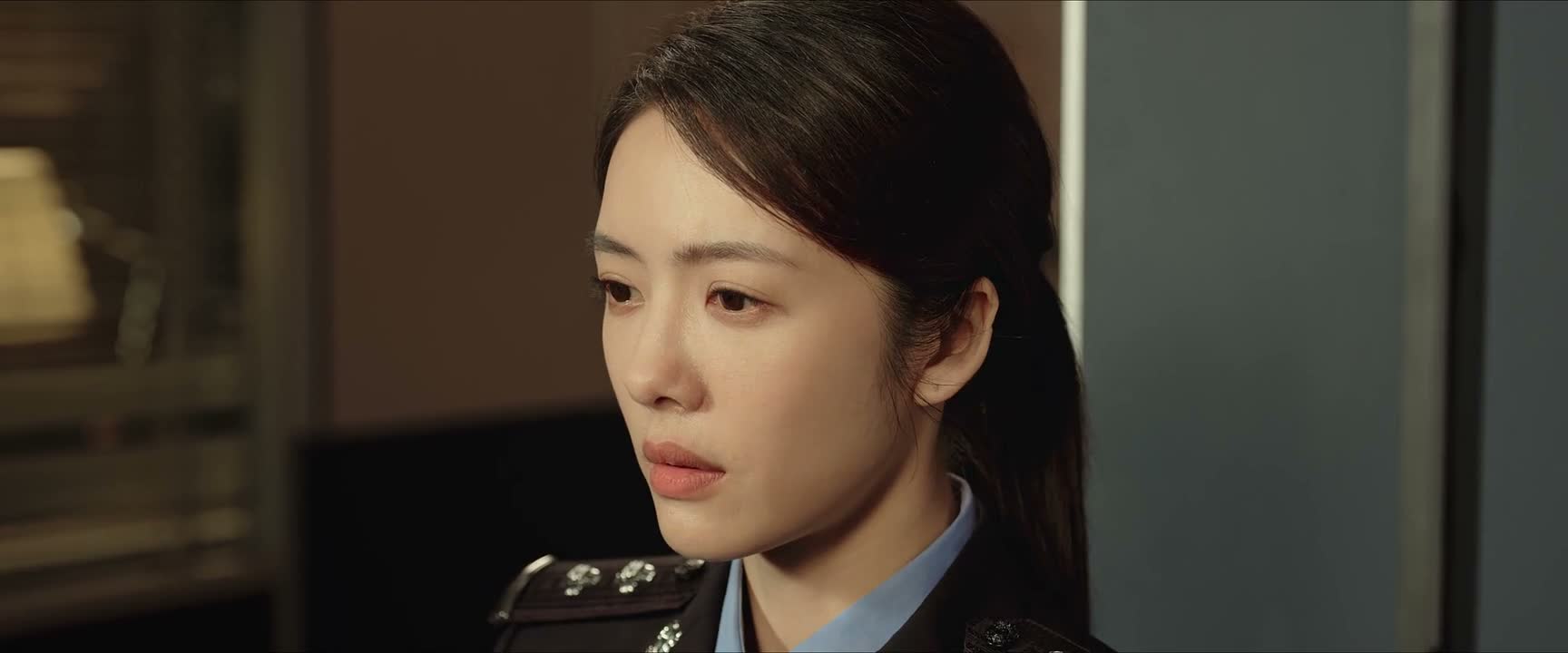
“for your opinion on this.”

“If you've got a problem with me, just say it. I don't.”

“So I wanted to ask for your opinion:”