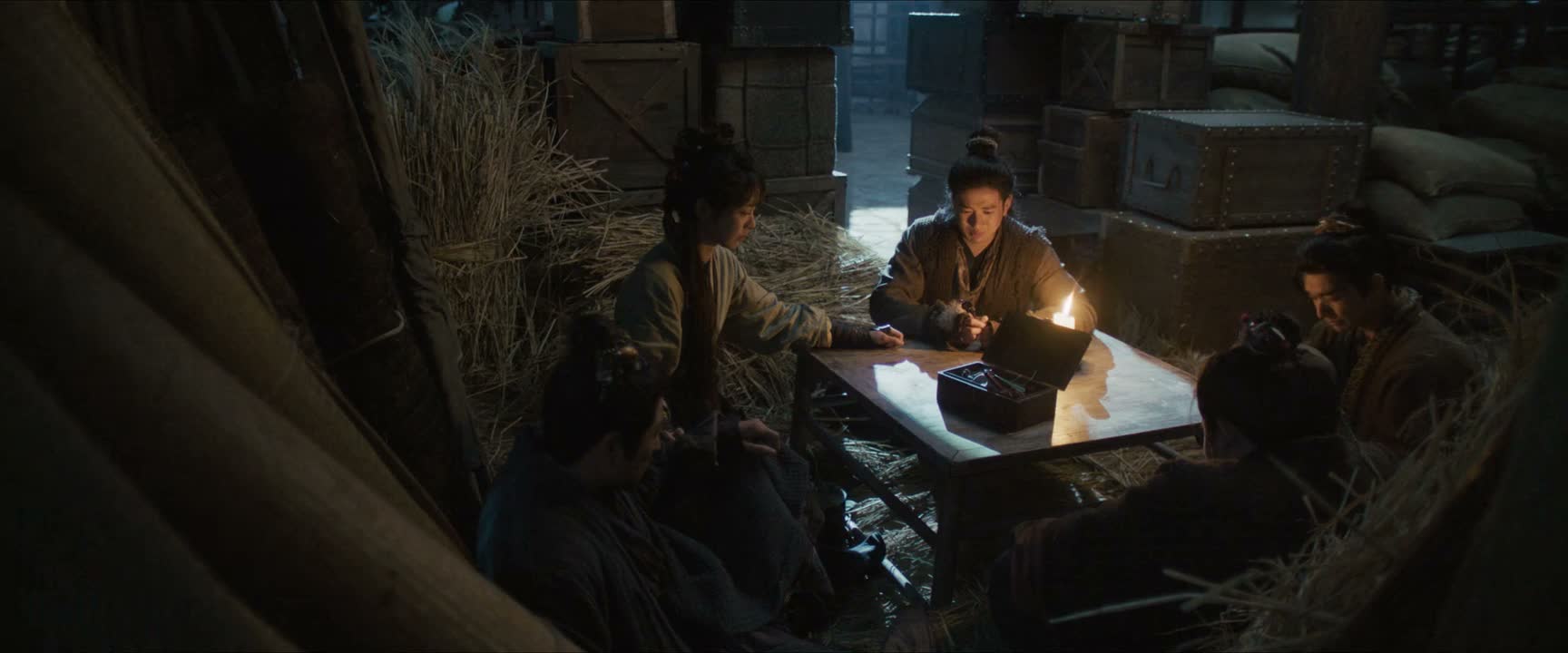
《Ashes to Crown》 S1·E9 (11:50)
HSK 7
dàn hǎo yí hàn wǒ niáng bù zài
但好遗憾 我娘不在
“But what a pity. My mother is gone.”
《Ashes to Crown》
S1·E9
TIMECODE: 11:50
·
1080P MASTER AUDIO
THE DIALOGUE REEL
[-1] PREVIOUS TURN
chù chù dōu hù zhe wǒ
处处都护着我
“and always protect me.”
dàn hǎo yí hàn wǒ niáng bù zài
CURRENT FOCUS
但 好遗憾 我娘不在
“But what a pity. My mother is gone.”
[+1] FOLLOW-UP TURN
yǒu de shí hòu wǒ huì mán yuàn wǒ zì jǐ
“Sometimes, I blame myself.”
Subtitles synced to millisecond timecode
Browse Show Clips →
Scene:
Family & Home
Function:
EXPRESSING REGRET
Tone:
MELANCHOLIC
Emotion:
SADNESS
WHAT THEY REALLY MEAN (PRAGMATIC SUBTEXT)
Direct spoken expression in this communicative setting.
💡 Cultural Insight: Filial Longing and Euphemism
Chinese speakers often soften the mention of a parent's demise using gentle terms like 'bu zai' (not here) while mourning their inability to witness important milestones.
INTENT TAGS:
#grief
#regret
#longing
#vulnerability
🧩
2 CHUNKS · 0 PARTICLES
LEARNING CHUNKS & PARTICLES
好遗憾
SPOKEN CHUNK
what a pity; so regrettable
A common spoken phrase used to express deep regret or sorrow over an unchangeable and unfortunate reality.
不在
SPOKEN CHUNK
not here; passed away
Often functions as a delicate euphemism for death when discussing deceased family members.
🏮
1 EXPR · 0 GRAMMAR
VOCABULARY & EXPRESSIONS
COLLOQUIAL EXPRESSIONS:
CROSS-CINEMA CORPUS BOARD · PARALLEL SCENES
EXPLORE BY SEMANTIC SIMILARITY
Parallel Spoken Cinema Scenes (语义近邻切片)

《Ashes to Crown》 S1·E9 (11:50) · Authentic Cinema Dialogue Corpus