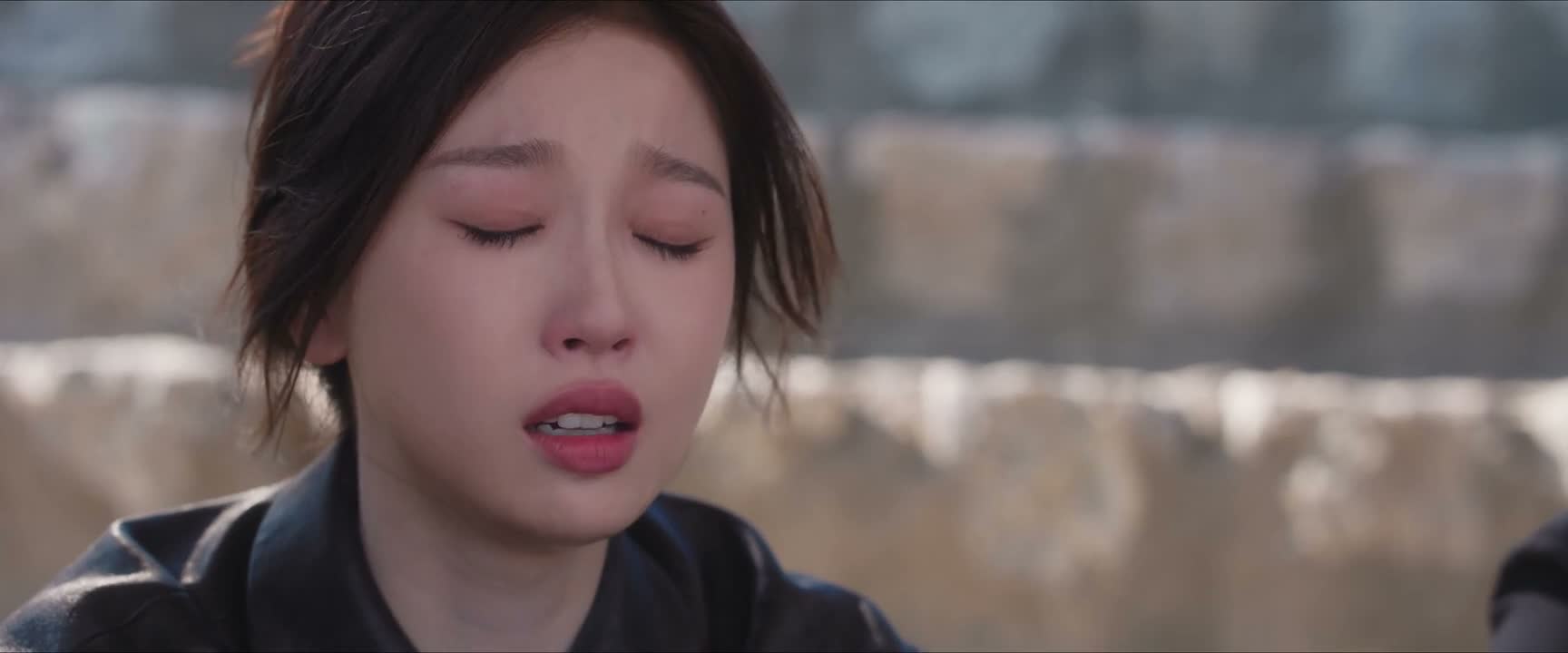
有的时候 我会埋怨我自己
“Sometimes, I blame myself.”
THE DIALOGUE REEL
有的时候 我会 埋怨我自己
“Sometimes, I blame myself.”
为什么不能从出生那一刻 就记住所有事情?
“Why couldn't I remember everything when I was born?”
Direct spoken expression in this communicative setting.
Longing for a lost parent and regretting not having clearer memories of them reflects deep traditional filial attachment.
LEARNING CHUNKS & PARTICLES
blame myself
Commonly used when confessing personal remorse or unreasonable self-directed frustration.
VOCABULARY & EXPRESSIONS
Parallel Spoken Cinema Scenes (语义近邻切片)

“I have let myself down for too long.”

“But I can't forgive myself.”

“Sometimes, I feel like I'm too selfish.”

“I also hated myself for that ever since.”
“I really hate myself.”

“I also hate the way I am now.”