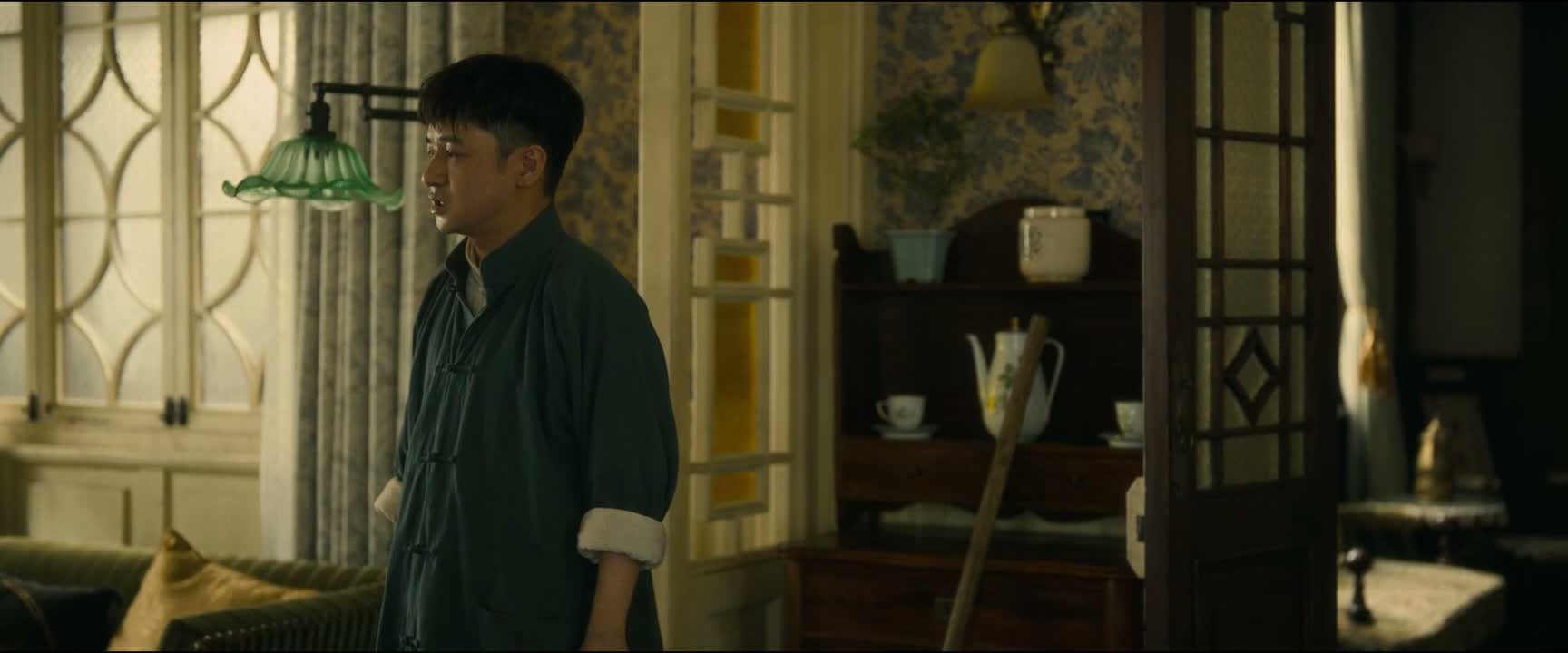
安欣 你是 听不懂好赖话是吗 我招你惹你了
“An Xin, you… Don't you understand what I mean? Did I offend you?”
THE DIALOGUE REEL
我也得跟你叫声阿姨呗
“I should call you Auntie too?”
安欣 你是 听不懂好赖话 是吗 我招你惹你了
“An Xin, you… Don't you understand what I mean? Did I offend you?”
我跟你聊案情 你跟我聊退休
“I was talking to you about the case. You talked about retirement.”
“Stop being difficult and mocking me when I am just trying to have a serious conversation.”
Using direct rhetorical idioms like '招你惹你' reflects intimacy and equality, allowing peers to bypass traditional polite hedging when exasperated.
LEARNING CHUNKS & PARTICLES
unable to tell good intentions from bad / taking good advice the wrong way
A colloquial northern idiom used when someone misinterprets well-meaning advice as an insult.
provoke or offend someone
Frequently used in rhetorical questions to express innocence and frustration when being targeted unfairly.
Turns the statement into a rhetorical question loaded with indignation and challenge.
Marks completion in a rhetorical question, emphasizing the supposed lack of prior offense.