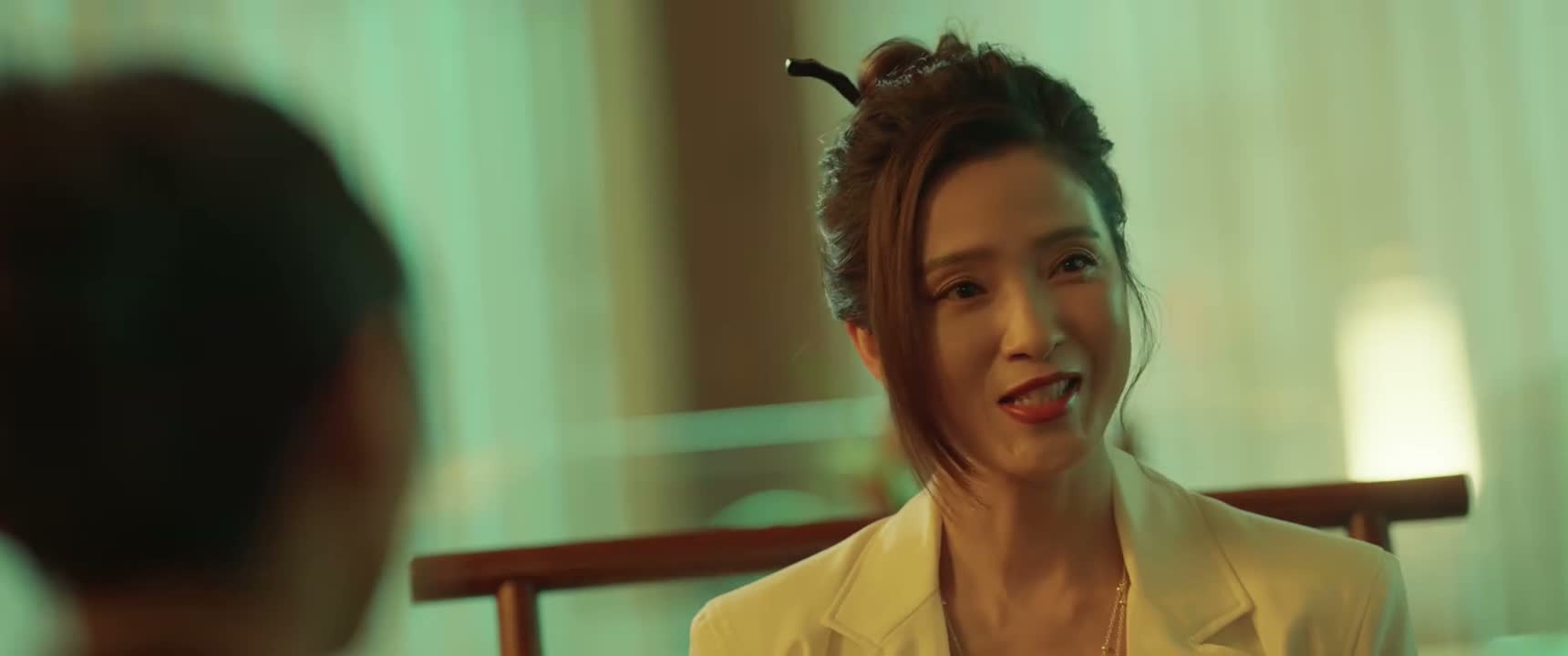
《The Knockout》 S1·E27 (15:46)
HSK 6
zěn me chēng hū nǐ wǒ jiào ā diāo
怎么称呼你 我叫阿刁
“What's your name? My name is Diao.”
《The Knockout》
S1·E27
TIMECODE: 15:46
·
1080P MASTER AUDIO
THE DIALOGUE REEL
[-1] PREVIOUS TURN
hǎo le
好了
“I've paid.”
zěn me chēng hū nǐ wǒ jiào ā diāo
CURRENT FOCUS
怎么称呼你 我叫阿刁
“What's your name? My name is Diao.”
[+1] FOLLOW-UP TURN
zǒu le lǎo bǎn màn zǒu
走了 老板慢走
“Take care, sir.”
Subtitles synced to millisecond timecode
Browse Show Clips →
Scene:
Daily Life
Function:
SELF INTRODUCTION
Tone:
POLITE
WHAT THEY REALLY MEAN (PRAGMATIC SUBTEXT)
Direct spoken expression in this communicative setting.
💡 Cultural Insight: Form of Address (称呼)
Asking '怎么称呼' is preferred over simply asking '你叫什么名字' because it shows respect and gives the listener freedom to provide a nickname, surname, or title.
INTENT TAGS:
#greeting
#introduction
#politeness
#establishing_rapport
🧩
2 CHUNKS · 0 PARTICLES
LEARNING CHUNKS & PARTICLES
怎么称呼你
SPOKEN CHUNK
how should I address you?
A polite, standard conversational formula for inquiring about someone's name or preferred title upon first meeting.
我叫
SPOKEN CHUNK
my name is / I am called
The most fundamental phrase to state one's own name in spoken Chinese.
🏮
1 EXPR · 0 GRAMMAR
VOCABULARY & EXPRESSIONS
COLLOQUIAL EXPRESSIONS:
CROSS-CINEMA CORPUS BOARD · PARALLEL SCENES
EXPLORE BY SEMANTIC SIMILARITY
Parallel Spoken Cinema Scenes (语义近邻切片)

《The Knockout》 S1·E27 (15:46) · Authentic Cinema Dialogue Corpus