出事了 出事了 怎么了
“Bad news, bad news. What's wrong?”
THE DIALOGUE REEL
“is of really good quality. Benchang!”
出事了 出事了 怎么了
“Bad news, bad news. What's wrong?”
李家前脚送了松材 后脚就在李家松场的树根底下
“Right after the Li family delivered the pine timber, we dug this up under the tree roots”
Direct spoken expression in this communicative setting.
Doubling phrases like '出事了' is the natural spoken way to signal extreme urgency and get immediate attention before giving details.
LEARNING CHUNKS & PARTICLES
something went wrong; an accident happened
A high-frequency emergency phrase shouted when unexpected bad news or a disaster occurs.
what happened?; what's the matter?
The standard spoken way to ask about a problem or sudden change in someone's demeanor.
Indicates a new situation or sudden emergence of a problem.
VOCABULARY & EXPRESSIONS
Parallel Spoken Cinema Scenes (语义近邻切片)

“Listen, something's happened! Taken by people from the city!”

“Something's happened. Big trouble.”
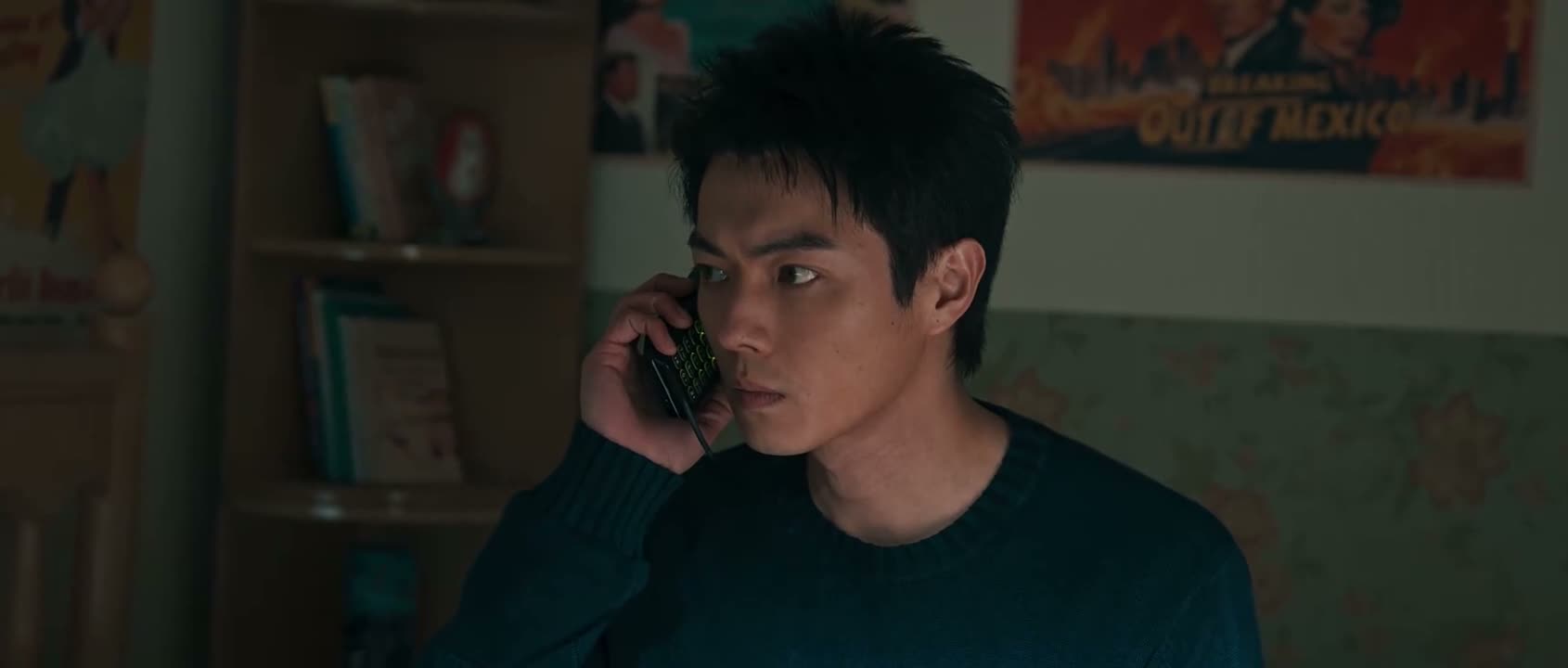
“Something happened.”

“Something's off!”
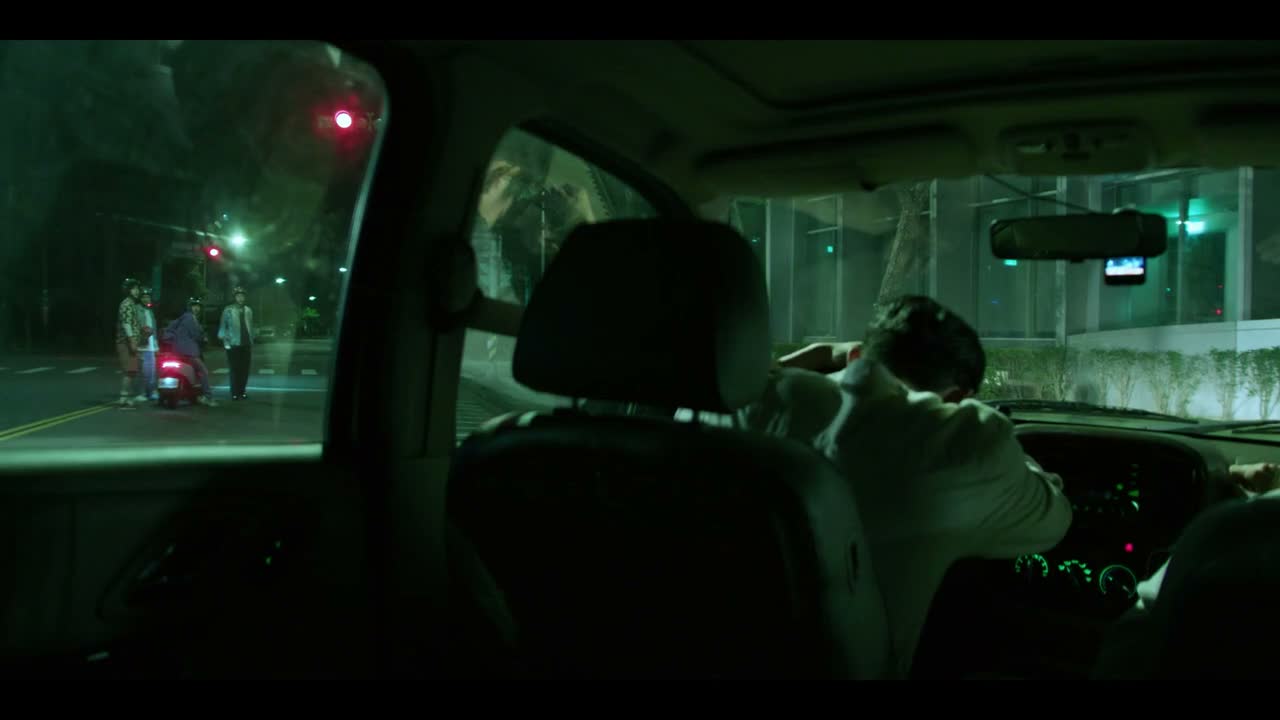
“[both groaning] - [engine hissing] - [Wa Zai] Oh, shit. That's bad.”

“- What's wrong? - Something big happened.”