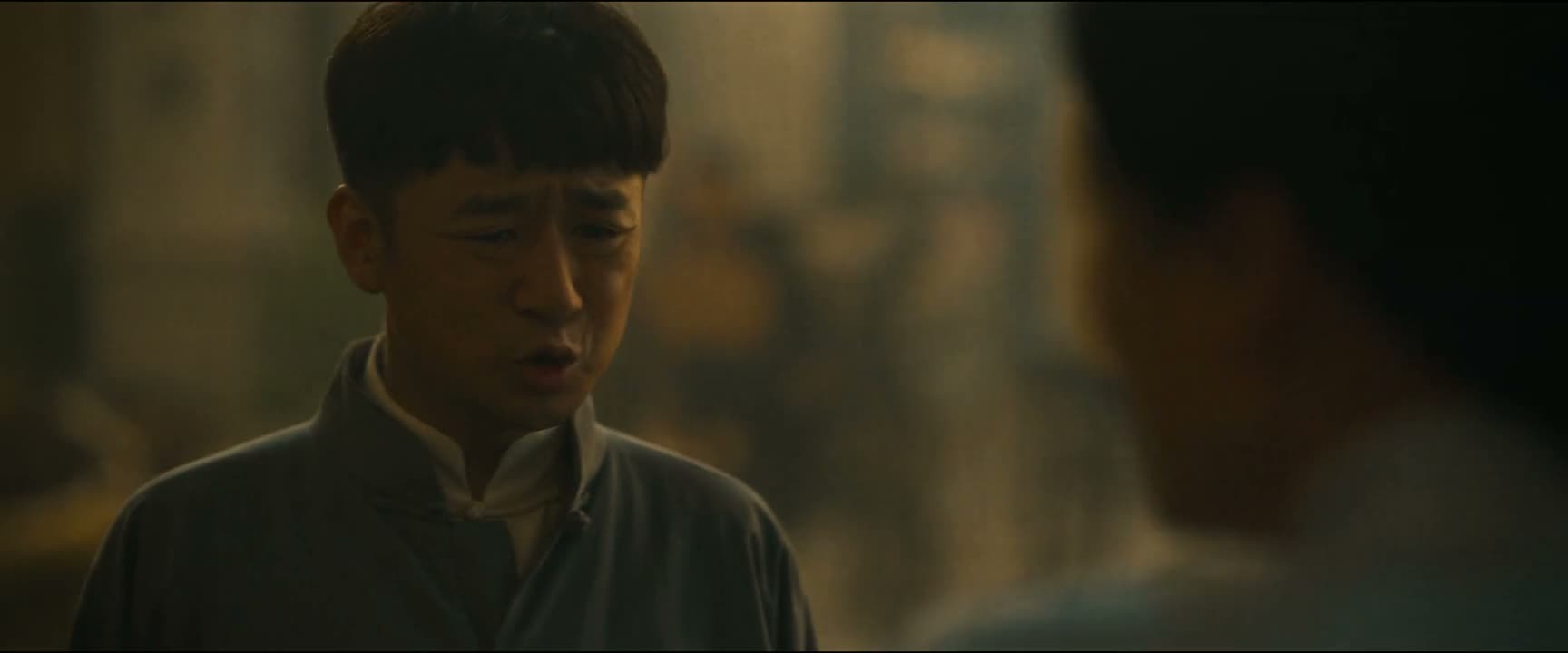
《Vanished Name》 S1·E14 (05:38)
HSK 5
shuō zhè shì gàn shá ya
说这事干啥呀
“Why bring that up?”
《Vanished Name》
S1·E14
TIMECODE: 05:38
·
1080P MASTER AUDIO
THE DIALOGUE REEL
[-1] PREVIOUS TURN
tā xiàn zài bù hái zài lǐ biān ne ma
“he'd still be in prison now.”
shuō zhè shì gàn shá ya
CURRENT FOCUS
说这事干啥呀
“Why bring that up?”
[+1] FOLLOW-UP TURN
zhè liǎng nián ba
这两年吧
“These past few years, he hasn't gone to see you”
Subtitles synced to millisecond timecode
Browse Show Clips →
Scene:
Daily Life
Function:
DEFLECTING TOPIC
Tone:
DEFLECTIVE
Emotion:
ANNOYANCE
WHAT THEY REALLY MEAN (PRAGMATIC SUBTEXT)
“Don't bring that up, it's taboo and uncomfortable.”
💡 Cultural Insight: Taboo Avoidance
In Chinese social culture, topics regarding imprisonment, scandals, or personal misfortunes are often considered taboo (晦气) and deflected to maintain harmony.
INTENT TAGS:
#topic_shifting
#avoidance
#deflection
#mild_irritation
🧩
2 CHUNKS · 1 PARTICLES
LEARNING CHUNKS & PARTICLES
干啥呀
SPOKEN CHUNK
why; what for
A highly colloquial Northern Chinese phrasing equivalent to 为什么 or 做什么, often carrying a slightly impatient or informal tone.
说这事
SPOKEN CHUNK
bringing up this matter
Commonly used when referring back to an awkward topic that has just been mentioned.
Modal Particle「呀」 (ya)
CHANGE OF STATE
Softens the rhetorical question while signaling mild exasperation.
🏮
1 EXPR · 0 GRAMMAR
VOCABULARY & EXPRESSIONS
COLLOQUIAL EXPRESSIONS:
CROSS-CINEMA CORPUS BOARD · PARALLEL SCENES
EXPLORE BY SEMANTIC SIMILARITY
Parallel Spoken Cinema Scenes (语义近邻切片)


《Vanished Name》 S1·E14 (05:38) · Authentic Cinema Dialogue Corpus