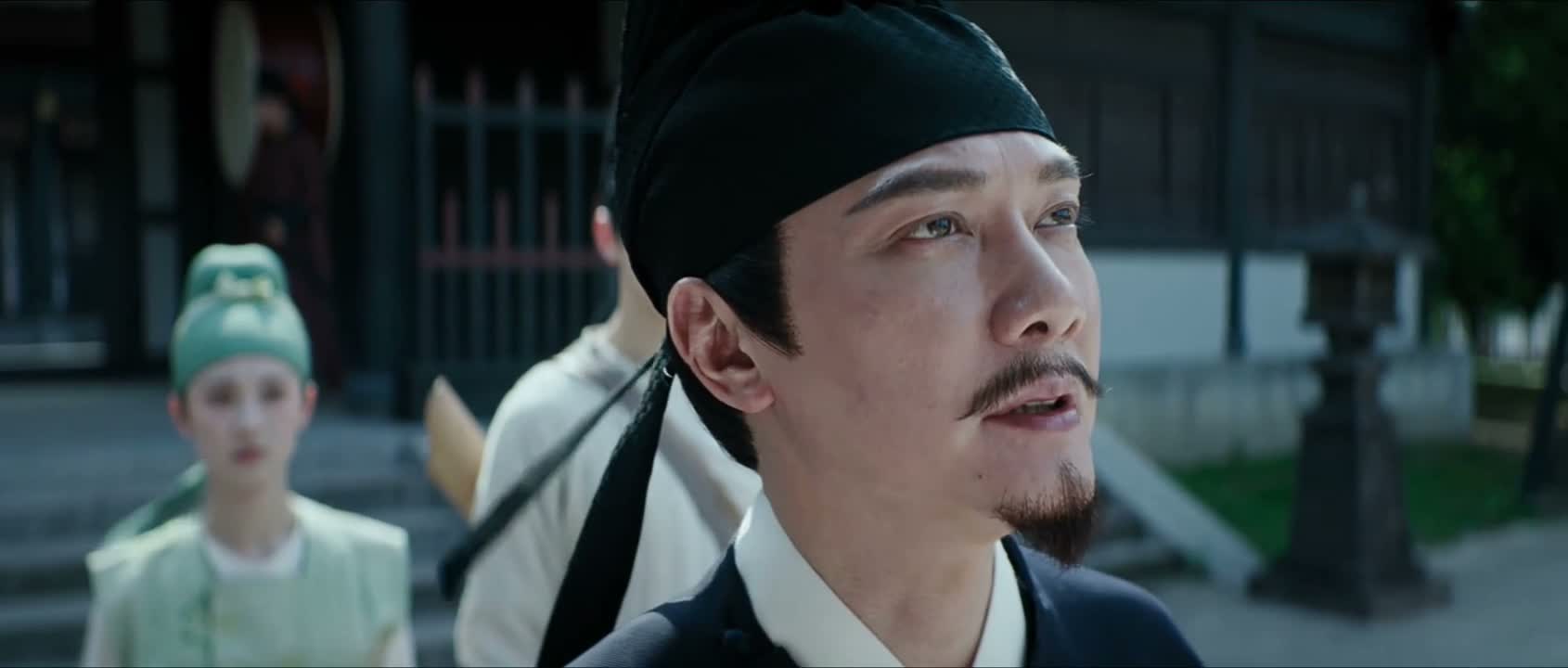
《Vanished Name》 S1·E14 (05:32)
HSK 1
tā xiàn zài bù hái zài lǐ biān ne ma
他现在 不还在里边呢吗
“he'd still be in prison now.”
《Vanished Name》
S1·E14
TIMECODE: 05:32
·
1080P MASTER AUDIO
THE DIALOGUE REEL
[-1] PREVIOUS TURN
gěi wǒ bà tián nà dà kū lóng
给我爸填那大窟窿
“to pay some of his debt,”
tā xiàn zài bù hái zài lǐ biān ne ma
CURRENT FOCUS
他现在 不还在 里边 呢吗
“he'd still be in prison now.”
Subtitles synced to millisecond timecode
Browse Show Clips →
Scene:
Daily Life
Function:
STATING OBVIOUS
Tone:
DISMISSIVE
Emotion:
HELPLESSNESS
WHAT THEY REALLY MEAN (PRAGMATIC SUBTEXT)
“Why even bring him up? He is in prison and can't do anything to help.”
💡 Cultural Insight: Euphemisms for Incarceration
In Chinese social conversations, direct mentions of prison (监狱) are often avoided in favor of subtle euphemisms like '在里边' (on the inside) to maintain conversational tact.
INTENT TAGS:
#dismissing
#pointing_out_reality
#rhetorical_questioning
#euphemism
🧩
2 CHUNKS · 2 PARTICLES
LEARNING CHUNKS & PARTICLES
在里边
SPOKEN CHUNK
inside (euphemism for in prison / behind bars)
A common colloquial euphemism for being detained or serving a prison sentence.
不还...呢吗
SPOKEN CHUNK
isn't [he] still...
A rhetorical tag question used to remind the listener of an obvious, undeniable fact.
Modal Particle「呢」 (ne)
CHANGE OF STATE
Emphasizes the ongoing state of affairs.
Modal Particle「吗」 (ma)
CHANGE OF STATE
Forms a rhetorical question highlighting an obvious reality.
🏮
1 EXPR · 4 GRAMMAR
VOCABULARY & EXPRESSIONS
COLLOQUIAL EXPRESSIONS:
GRAMMAR BLUEPRINTS:
CROSS-CINEMA CORPUS BOARD · PARALLEL SCENES
EXPLORE BY SEMANTIC SIMILARITY
Parallel Spoken Cinema Scenes (语义近邻切片)
《Vanished Name》 S1·E14 (05:32) · Authentic Cinema Dialogue Corpus