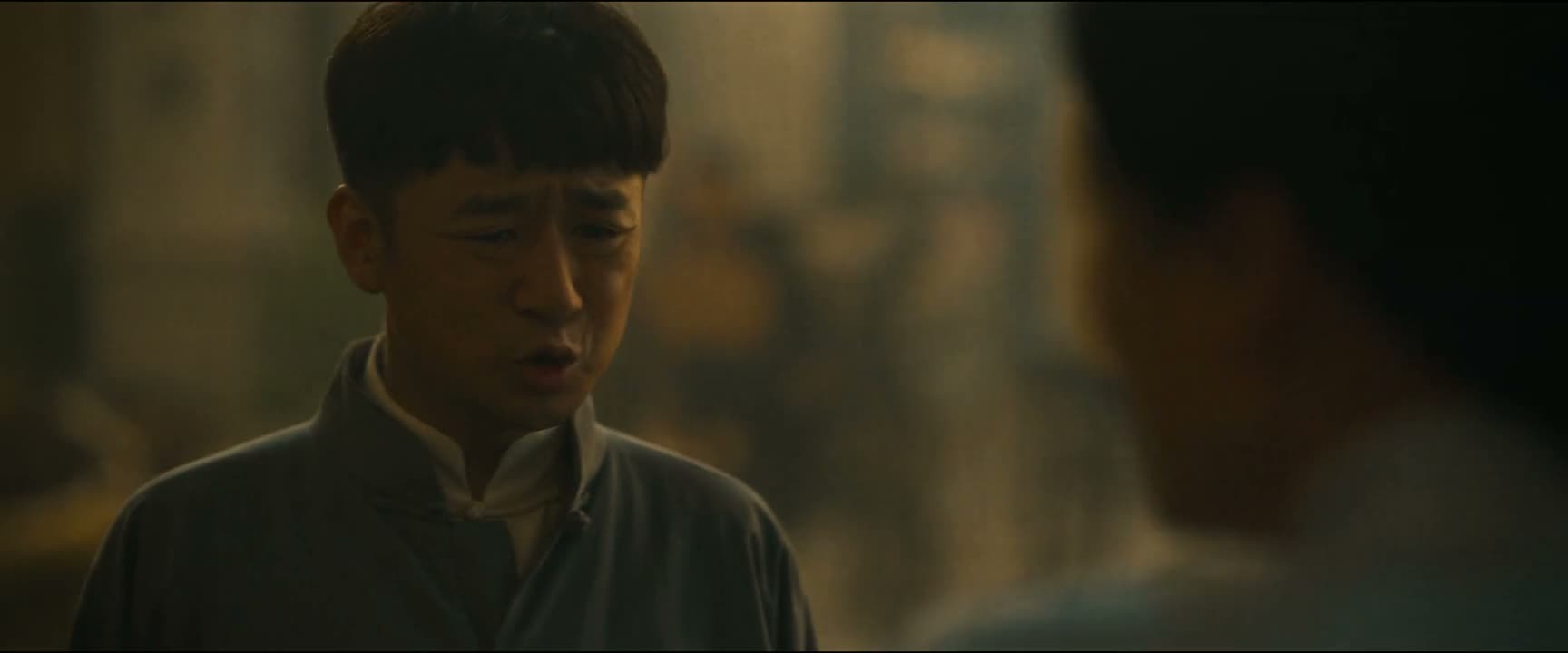
你说这些干吗啦
“Why did you say that?”
THE DIALOGUE REEL
不应该把你捆在身边
“I shouldn't force you to be by my side.”
你说这 些 干吗啦
“Why did you say that?”
啰嗦
“You talk too much.”
“Stop beating yourself up; you don't need to apologize or dredge up painful regrets.”
Direct apologies or overt emotional vulnerability can feel deeply uncomfortable in traditional Chinese familial settings, leading listeners to shut down the topic out of affection.
LEARNING CHUNKS & PARTICLES
Why bring all this up? / Don't say such things.
Used idiomatically to brush off someone who is apologizing excessively, making painful confessions, or being overly sentimental.
Blends emotional resistance with affectionate softening to avoid sounding overly harsh.
VOCABULARY & EXPRESSIONS
Parallel Spoken Cinema Scenes (语义近邻切片)
“Why are you saying this now?”

“Why are you talking about this now?”

“Why bring that up?”

“Why did you add all that at the end?”