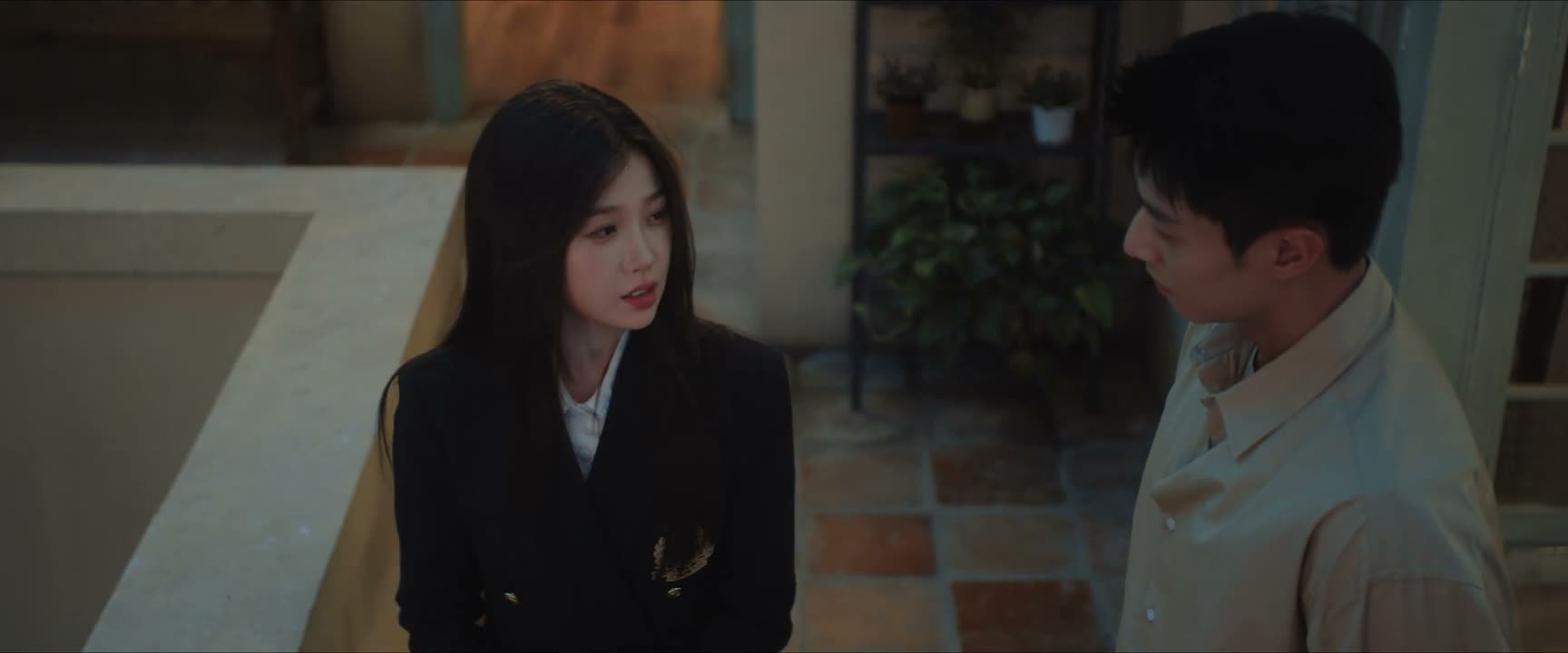
《The Knockout》 S1·E22 (09:44)
HSK 2
zěn me chū lái yě bù gào sù wǒ kuài shàng chē
怎么出来也不告诉我 快上车
“Why didn't you tell me you came out? Get in the car.”
《The Knockout》
S1·E22
TIMECODE: 09:44
·
1080P MASTER AUDIO
THE DIALOGUE REEL
[-1] PREVIOUS TURN
shàng chē
上车
“Get in the car!”
zěn me chū lái yě bù gào sù wǒ kuài shàng chē
CURRENT FOCUS
怎么出来也不告诉我 快上车
“Why didn't you tell me you came out? Get in the car.”
[+1] FOLLOW-UP TURN
xiān qián dōu shì wǒ men tīng nǐ de nǐ zhè yī chū shì jiù bù guǎn wǒ men le
先前都是我们听你的 你这一出事 就不管我们了
“We've always listened to you before. Now you're in trouble and want to leave us alone?”
Subtitles synced to millisecond timecode
Browse Show Clips →
Scene:
Legal & Police
Function:
WELCOMING WITH REPROACH
Tone:
CARING
Emotion:
RELIEF
WHAT THEY REALLY MEAN (PRAGMATIC SUBTEXT)
“I care about you and am still here for you, so don't treat me like an outsider.”
💡 Cultural Insight: Loyalty Reception (接风/接人)
Picking up someone right as they exit detention is a paramount gesture of brotherhood ('yigi') and loyalty in Chinese interpersonal relationships.
INTENT TAGS:
#care
#loyalty
#complaint
#urgency
🧩
2 CHUNKS · 0 PARTICLES
LEARNING CHUNKS & PARTICLES
快上车
SPOKEN CHUNK
hurry and get in the car
A common urgent imperative used to move someone quickly into a vehicle to avoid attention or delay.
怎么……也不……
SPOKEN CHUNK
how come (someone) didn't even...
Used to express surprise, complaint, or affectionate reproach when an expected action was omitted.
🏮
2 EXPR · 0 GRAMMAR
VOCABULARY & EXPRESSIONS
COLLOQUIAL EXPRESSIONS:
CROSS-CINEMA CORPUS BOARD · PARALLEL SCENES
EXPLORE BY SEMANTIC SIMILARITY
Parallel Spoken Cinema Scenes (语义近邻切片)

《The Knockout》 S1·E22 (09:44) · Authentic Cinema Dialogue Corpus