快上车
kuài shàng chēCommon spoken expression used by native Chinese speakers in daily life.
[Scene: 其他场景]
(3 clips) 00:03
(老板 后备箱开一下 好好好 你没看到他戴着面罩) ── Previous context
“Stop! He's here to rob me. Mr. Li Jr. Get in.”
 00:03
(不可以 不可以) ── Previous context
“Don't let them go! Get in the car! I'm begging you!”
 00:03
(别让她们走) ── Previous context
“You can't get in the car! Don't do that! Hurry! Get in the car! I'm begging you!”
[Scene: 出行交通]
(2 clips) 00:03
(您快上车 你坐 我不坐 我不坐) ── Previous context
“Please get in, let's go. If he tells you to sit, just sit.”
 00:03
(有乔总陪着你们 好好参加比赛 争取拿个大奖回来) ── Previous context
“Hello, Uncle Ding. Hello. Just get in the car. Thank you, Mr. Ding.”
[Scene: 其他场景]
(1 clips)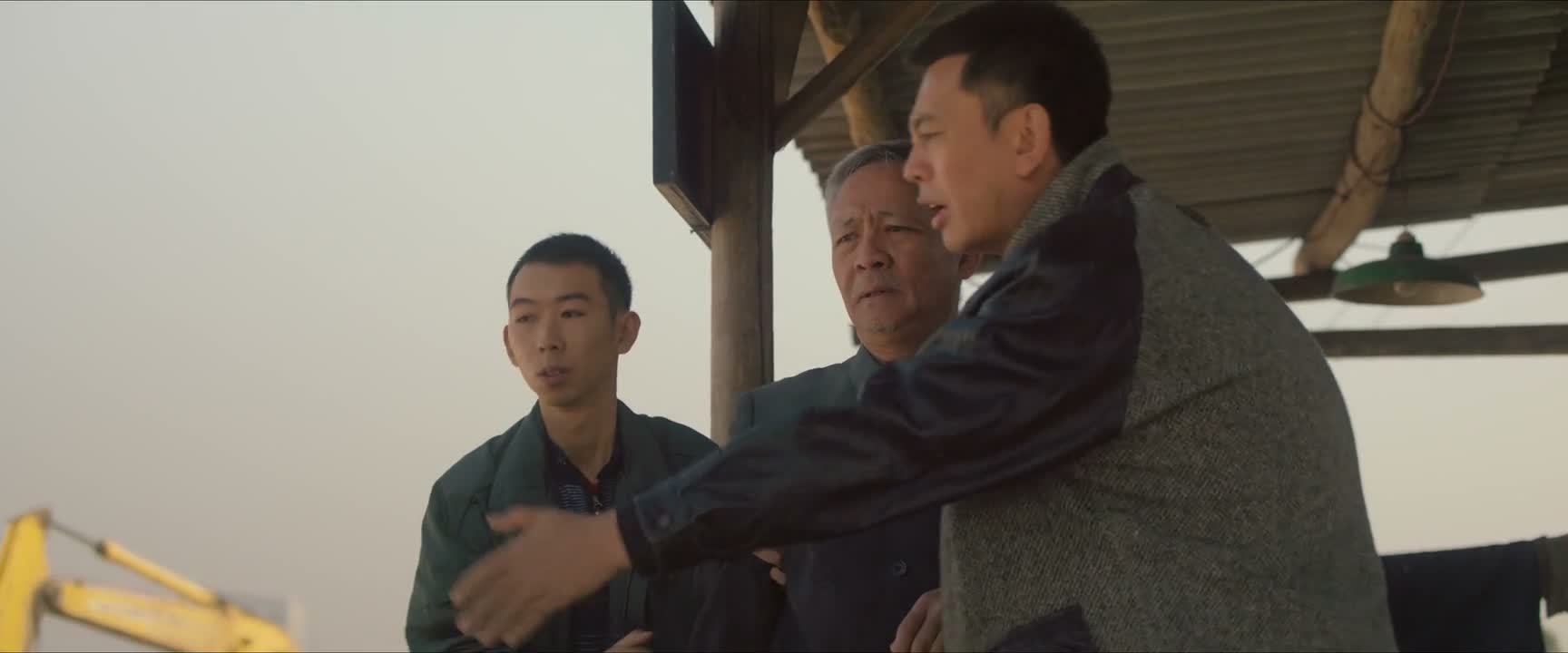 00:02
(耀宗明天就来工地上班 您这么大岁数 就别折腾了) ── Previous context
“Come on, come on! Get on. Let them wheel you back.”
[Scene: 警匪刑侦]
(1 clips) 00:02
[Scene: 职场工作]
(1 clips) 00:02
(二等功 师父 继续努力 二等功 好好好) ── Previous context
“With this, I'll meet the requirements for joining the Party, right? Just get in the car.”
📌 好嘞
→Nuance: 同向近义词根配对: [我们 ↔ 咱们]
📌 什么时候
→Nuance: 责怪出来未告知,交际意图一致
📌 没人
→Nuance: 同为催促并安抚对方上车坐下
📌 听话
→Nuance: 同为催促并安抚对方上车坐下
📌 谢了
→Nuance: 同向近义词根配对: [感谢 ↔ 谢谢]
📌 求你
→Nuance: 核心意图一致表达哀求上车
📌 来
→Nuance: 均表急切催促上车但语气不同
📌 来
→Nuance: 同为热情催促对方上车