听话
tīng huàCommon spoken expression used by native Chinese speakers in daily life.
[Scene: 家庭日常]
(16 clips) 00:02
 00:02
 00:02
 00:03
 00:02
(二姨让你忘 你就真的忘了呀) ── Previous context
“Why didn't you listen to me like this on other things?”
 00:02
 00:03
 00:02
 00:02
(我妈还夸我听话呢) ── Previous context
“Now it seems it's not a great thing to be obedient all the time.”
 00:02
 00:02
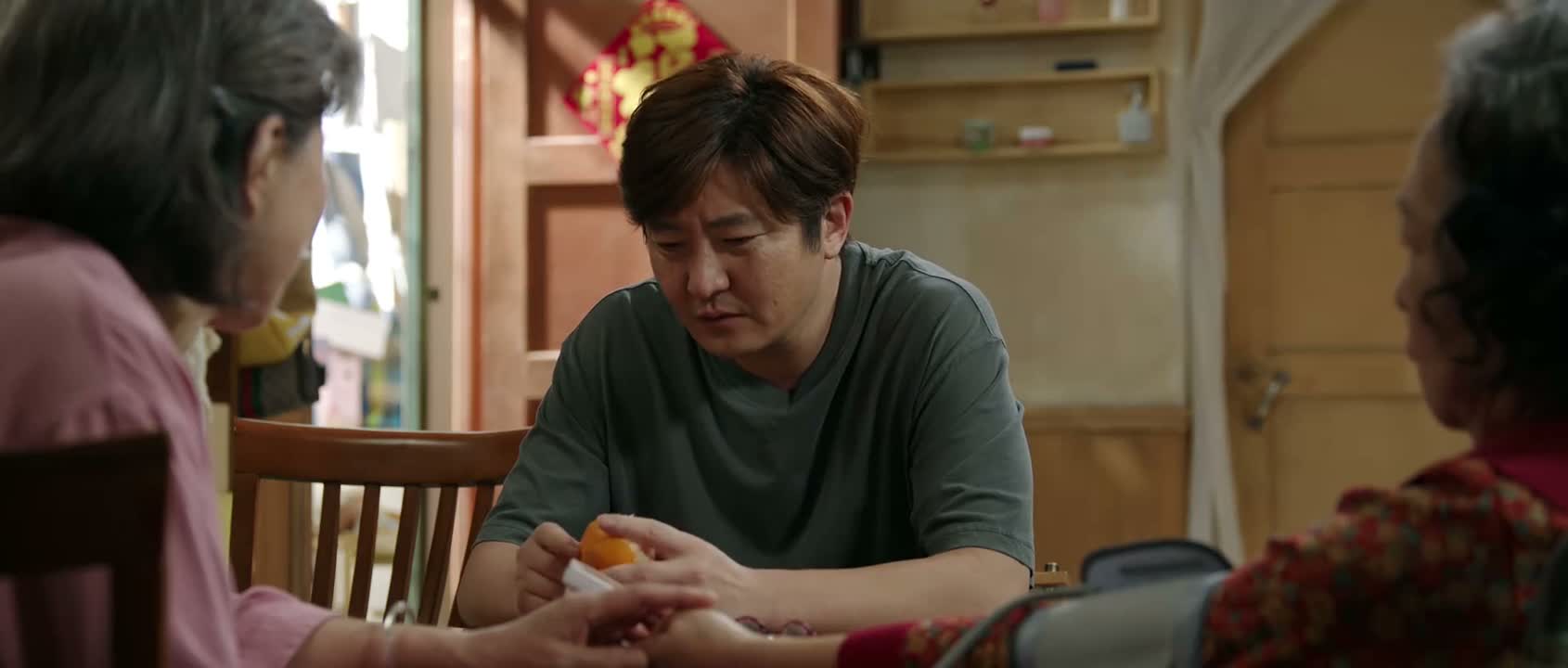 00:03
 00:02
(圆圆的吧 这是我的 你给我 这是我的) ── Previous context
“It's Yuanyuan's. This is mine. - Be good. Give me. - This is mine.”
 00:02
(不能在外人面前显露) ── Previous context
“[Memorial Tablet of Fan Erniu] But I disobeyed your order today.”
 00:02
 00:02
[Scene: 其他场景]
(13 clips) 00:02
 00:02
 00:02
 00:02
 00:02
 00:03
(你回来 夏晓兰) ── Previous context
“Be good and get on the bike. Xiaolan, get on. Sit in the front. No one will dare bully you.”
 00:03
(今天 给你个小教训) ── Previous context
“If you still don't fall in line, I'll come back and deal with you properly!”
 00:02
 00:03
(这样 你进屋 我跟你说 我不去 这事我不同意) ── Previous context
“Be good. No. I don't allow you to go. I don't agree.”
 00:02
 00:03
 00:02
“I won't hurt you as long”
 00:03
((楚都) 光天化日 怎么还动私刑?) ── Previous context
“They're killing him casually! Zhao, be good.”
[Scene: 其他场景]
(7 clips) 00:02
 00:03
 00:03
(这帮联防队的 都是外地的 常住人口) ── Previous context
“No wonder. Outsiders are more obedient. What happened?”
 00:02
 00:02
(我能理解你们当时的心情 对不起 对不起啊) ── Previous context
“She was actually a very obedient child when she was little.”
 00:02
 00:03
(不知道怎么想的) ── Previous context
“Since when have you become such a well-behaved child like Jun?”
[Scene: 历史宫廷]
(3 clips) 00:02
 00:03
 00:02
[Scene: 餐饮美食]
(1 clips) 00:03
(上酒 快点 不要了服务员 不要了 那个买单) ── Previous context
“No more drinking. Really. Be good. You really can't drink anymore.”
📌 不懂事
→Nuance: 核心意图一致,皆埋怨不听话
📌 换一个
→Nuance: 核心意图皆为换个合意的人
📌 听我的话
→Nuance: 核心语义一致均指阿笙听话
📌 乖的
→Nuance: 表达乖乖听话的变体说法
📌 乖的
→Nuance: 主语代词及承诺听话意图一致
📌 你这孩子
→Nuance: 同向近义词根配对: [影响 ↔ 靠不住]
📌 什么时候
→Nuance: 调侃对方突然变得顺从听话