你听话 我不听话 不许去 我不同意
“Be good. No. I don't allow you to go. I don't agree.”
THE DIALOGUE REEL
这样 你进屋 我跟你说 我不去 这事我不同意
“How about this? Get into your room. Let me talk to you. No. I don't agree.”
你 听话 我不听 话 不许去 我不同意
“Be good. No. I don't allow you to go. I don't agree.”
你小哥不是说了吗 上完大学马上就回来
“Didn't Ziqiu say that he'll be back as soon as he graduates from university?”
“I don't care about being well-behaved; I will throw a tantrum if it keeps you here with me.”
'Tinghua' (obedience) is prized as the quintessential virtue of children in Chinese culture; explicitly shouting '我不听话' represents radical rebellion against traditional filial compliance.
LEARNING CHUNKS & PARTICLES
obedient / well-behaved / listen to reason
A ubiquitous term across Chinese families used by elders to manage children or by peers to urge compliance.
not allowed to go
A strict prohibitive command expressing uncompromising refusal.
VOCABULARY & EXPRESSIONS
Parallel Spoken Cinema Scenes (语义近邻切片)
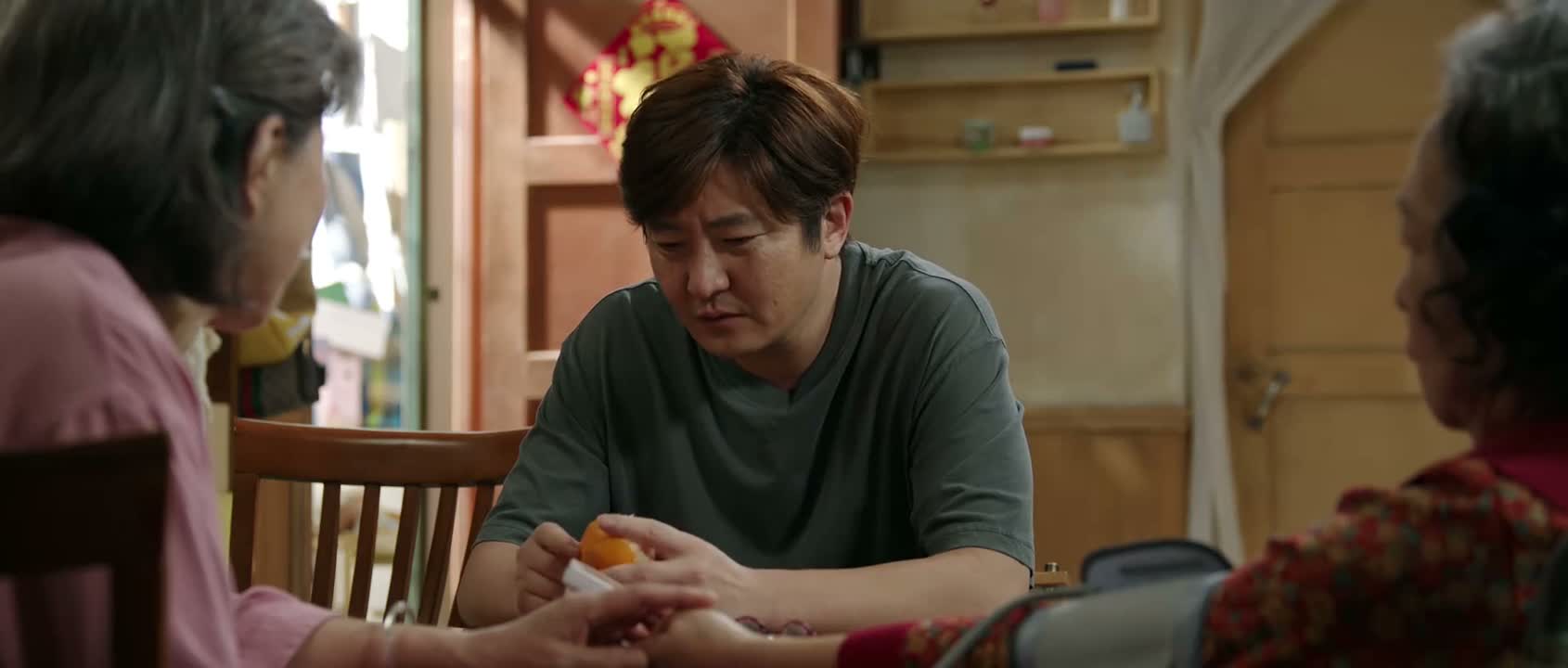
“I'm disobedient and restless.”
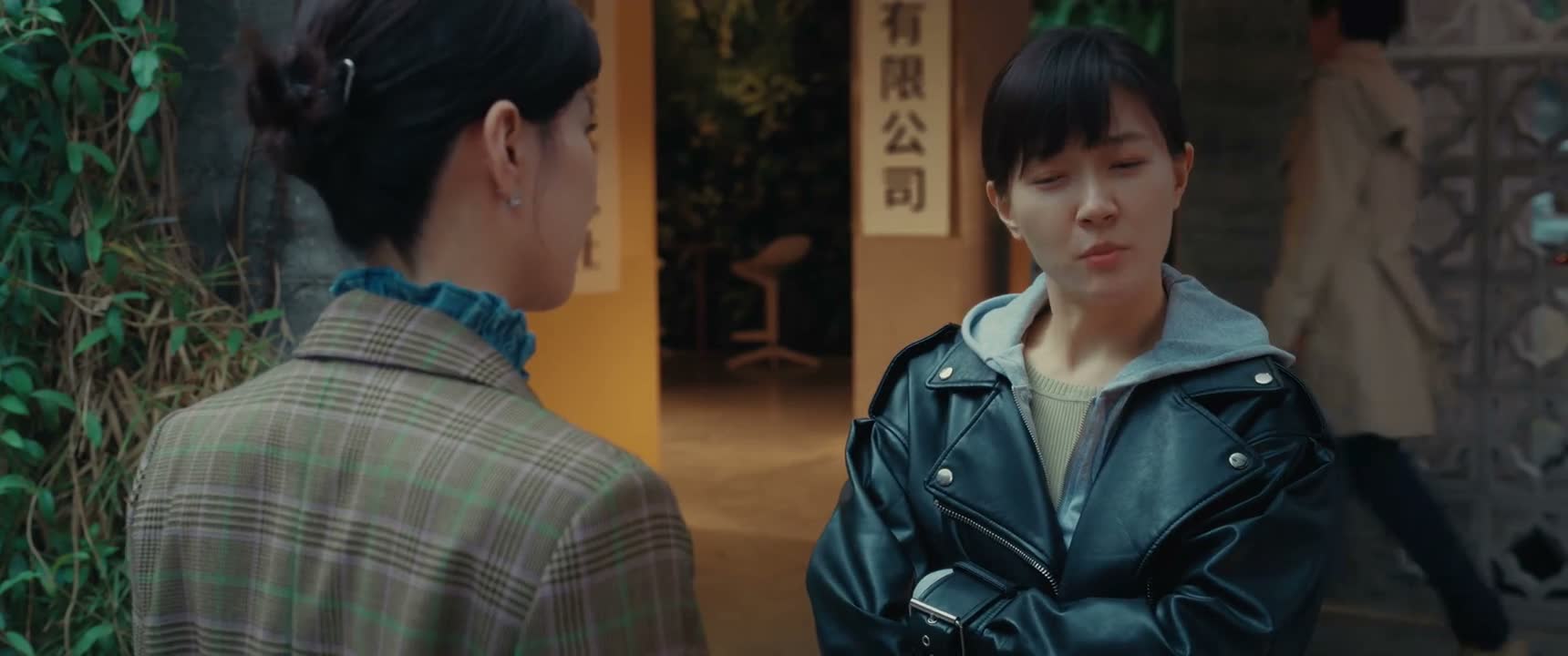
“you're disobedient, playing games behind.”

“If you still don't fall in line, I'll come back and deal with you properly!”
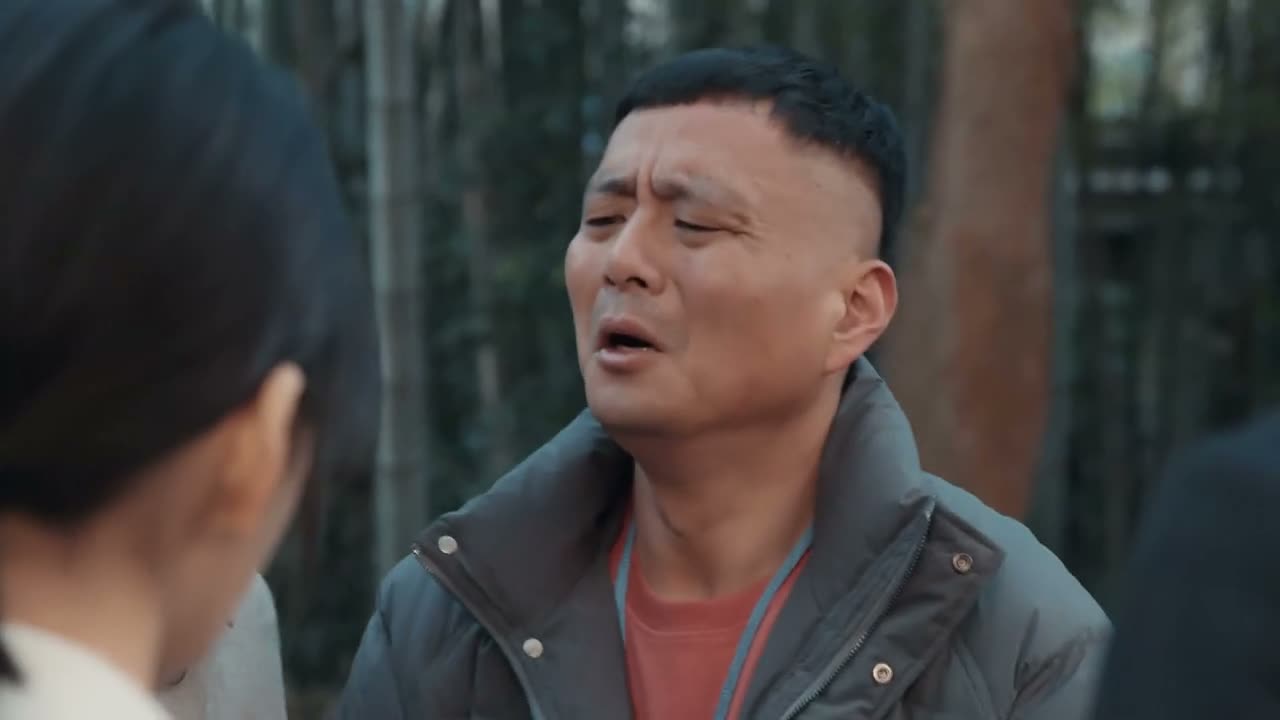
“We agreed on this, but you would not listen.”

“I'm not going anyway. Are you disobeying me now?”

“Alright. I won't argue with you. Go if you want. If you don't,”