你以前怎么 没有这么听话呢
“Why didn't you listen to me like this on other things?”
THE DIALOGUE REEL
“So you've really forgot about her?”
你 以前 怎么 没有这么听话 呢
“Why didn't you listen to me like this on other things?”
“You're only pretending to be a good, obedient kid now because it's convenient for avoiding reality.”
Being 'tinghua' (obedient/compliant) is a core traditional virtue expected of younger family members, which is here ironically questioned when used opportunistically.
LEARNING CHUNKS & PARTICLES
how come (you) were not...
Used to express rhetorical disbelief or contrast past behavior with the present.
so obedient / this well-behaved
Commonly applied to children or subordinates; using it on an adult can carry a patronizing or sarcastic edge.
Marks a rhetorical question and highlights the speaker's lingering skepticism.
VOCABULARY & EXPRESSIONS
Parallel Spoken Cinema Scenes (语义近邻切片)

“You weren't like this before. You've got quite a smooth tongue.”
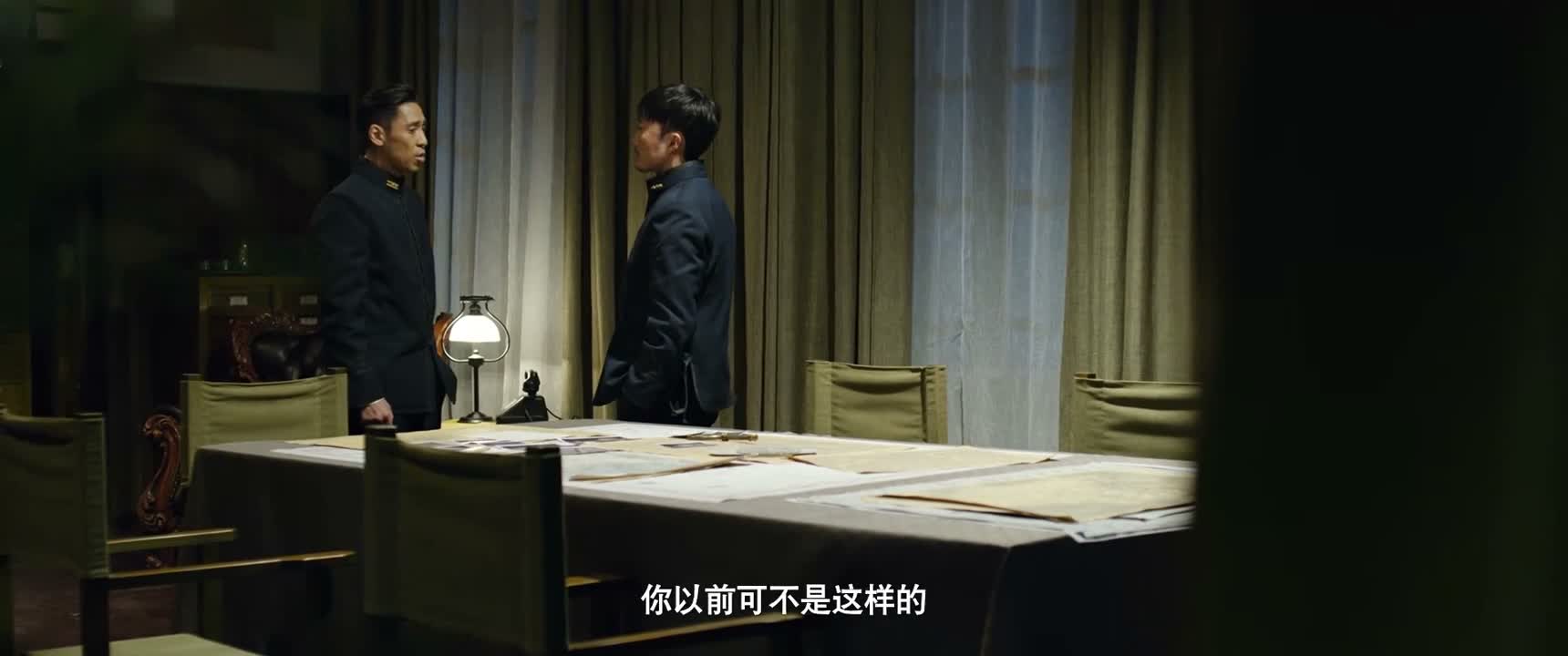
“You weren't like this before.”

“Why were you so obedient this time? You did what I told you to.”