这俩不听话 走
“These two are not behaving. Come on.”
THE DIALOGUE REEL
这俩 不听话 走
“These two are not behaving. Come on.”
走 赶快走 走 这是干什么呢 这是 姐姐 姐姐
“Come on. Hurry up, go. Go. - What is going on here? - Meng, Bei. - Du. - Go.”
Direct spoken expression in this communicative setting.
Older family members or peers in authority frequently use blunt directives to control younger members during emergencies without softening their language.
LEARNING CHUNKS & PARTICLES
these two (people)
Informal spoken contraction of 这两个, common in northern Mandarin.
disobedient / not listening
Used casually to describe kids, subordinates, or relatives refusing to follow instructions.
VOCABULARY & EXPRESSIONS
Parallel Spoken Cinema Scenes (语义近邻切片)

“you're disobedient, playing games behind.”
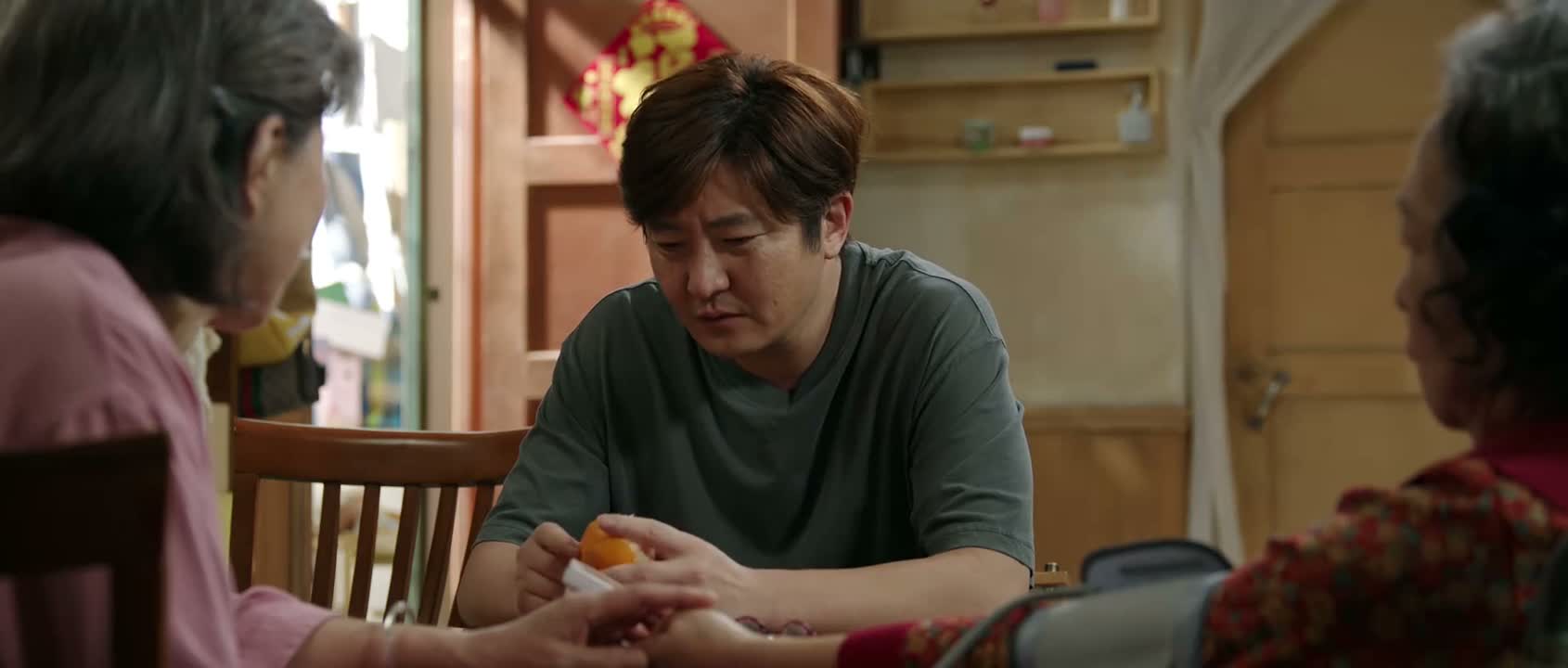
“I'm disobedient and restless.”

“Be good. No. I don't allow you to go. I don't agree.”

“We agreed on this, but you would not listen.”
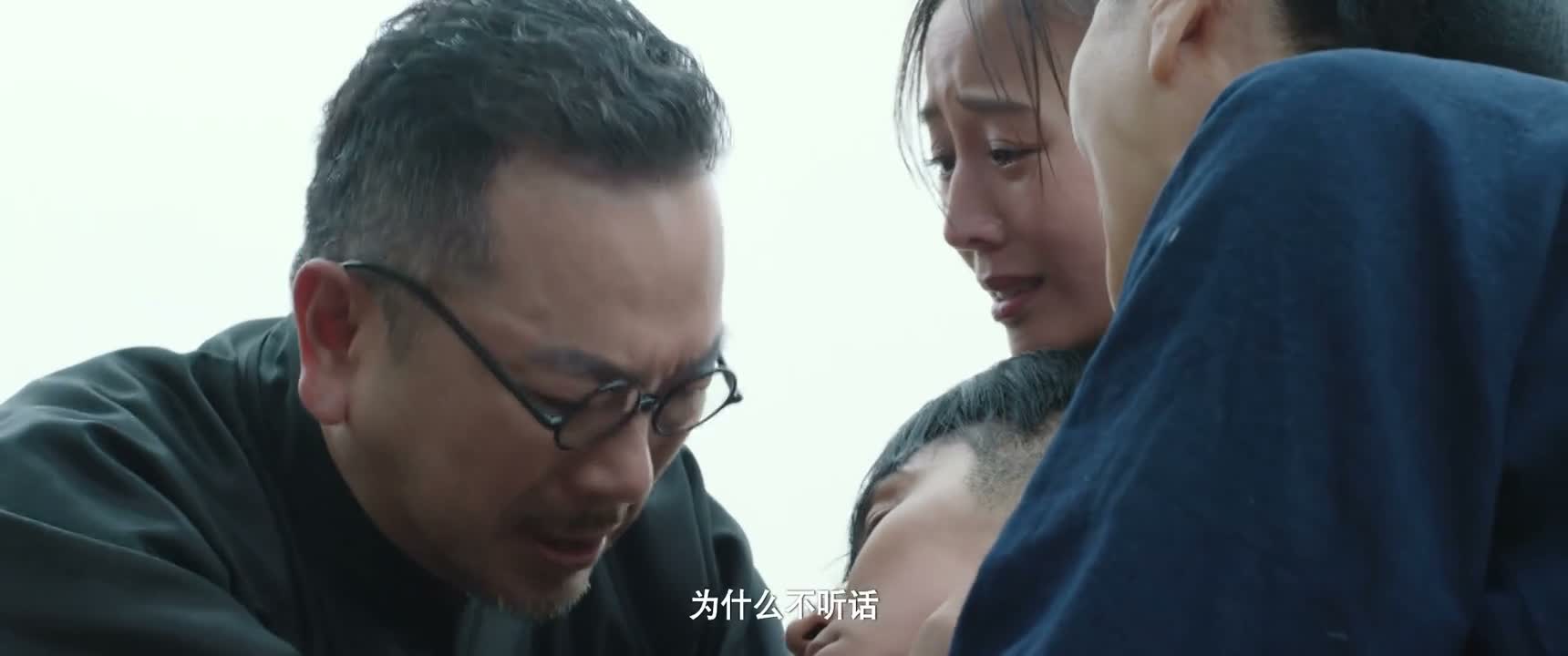
“Why didn't you listen?”

“If she refuses to leave,”