谢了
xiè leCommon spoken expression used by native Chinese speakers in daily life.
[Scene: 社交聚会]
(8 clips) 00:03
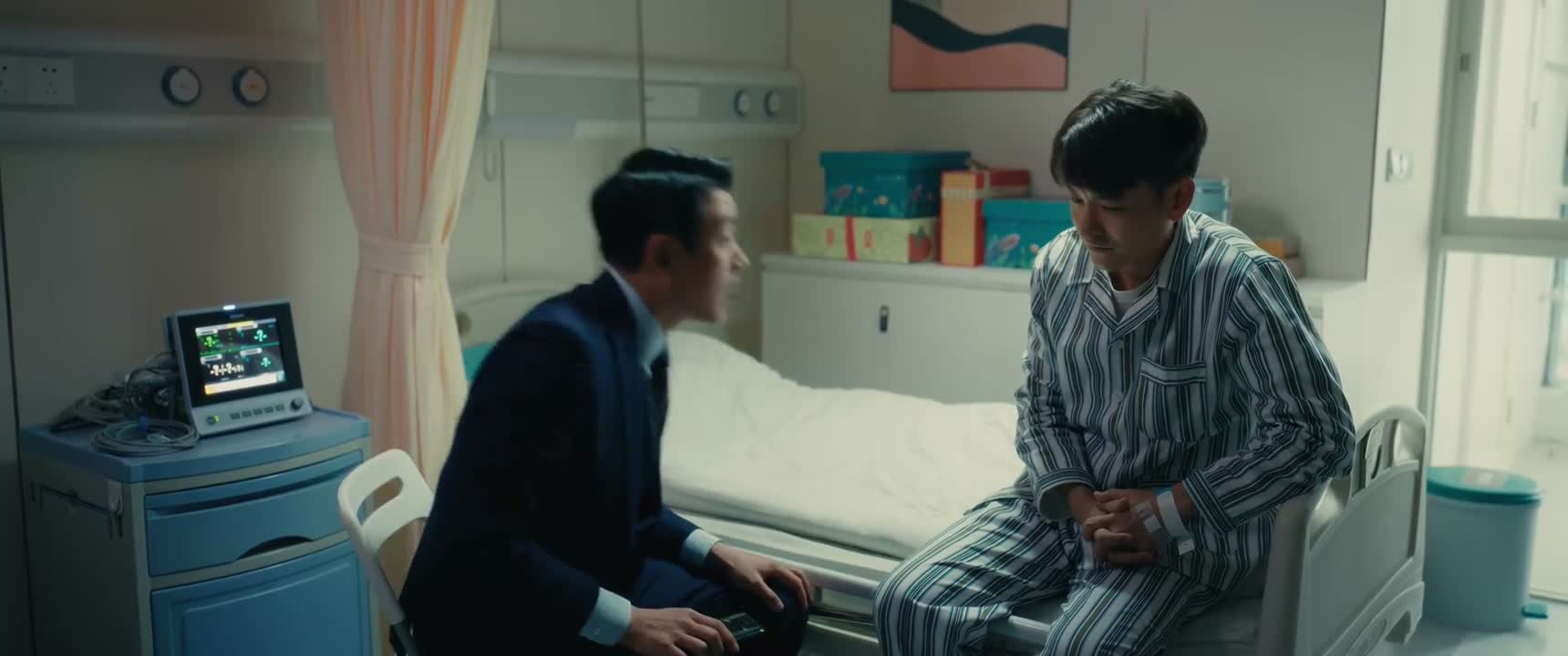 00:03
 00:02
 00:03
 00:03
(也会有你们今天的幸福 是你们自己创造的 来 来) ── Previous context
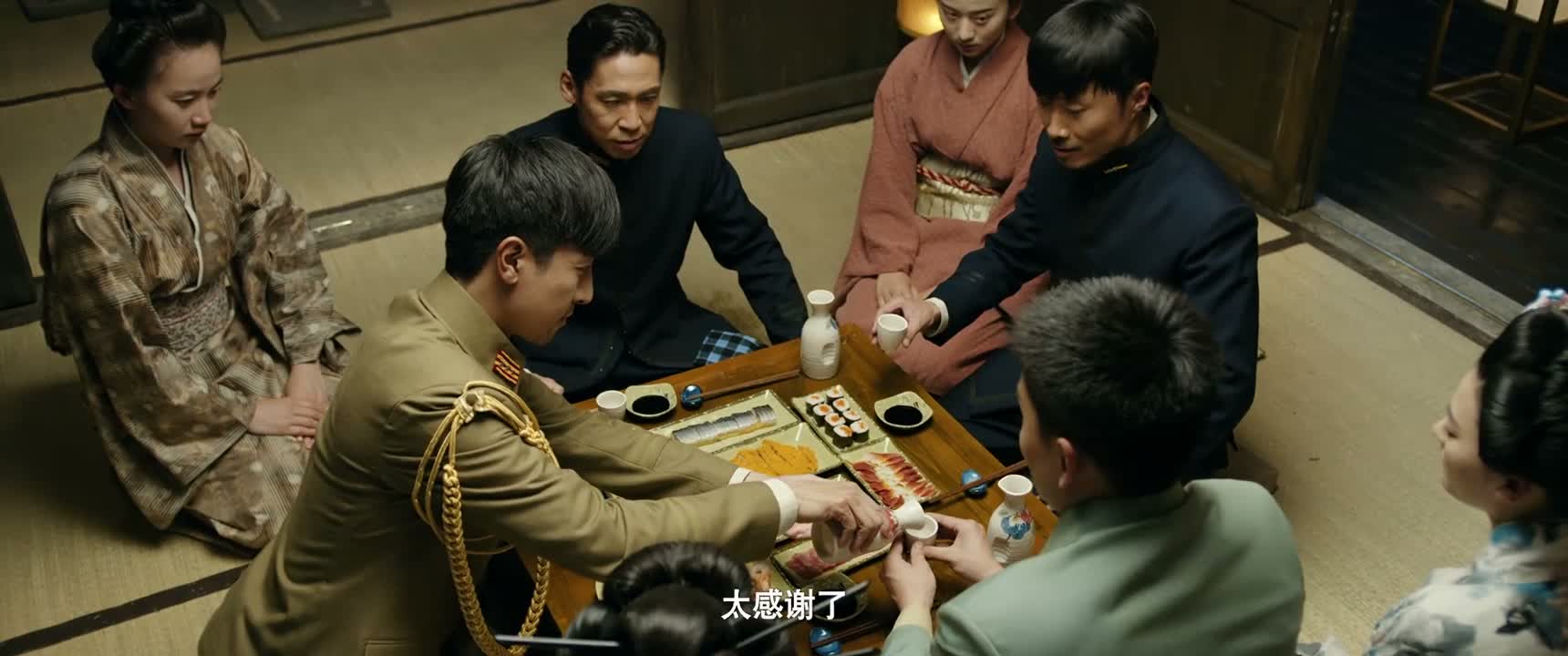
“Cheers. Thanks to you all. Congratulations! Thank you so much...”
 00:02
 00:03
(我先给你做个交代 免得到时候场面难堪哦) ── Previous context
“I'm already very grateful that you've agreed to take a look, Mr. Wu.”
 00:02
[Scene: 其他场景]
(6 clips)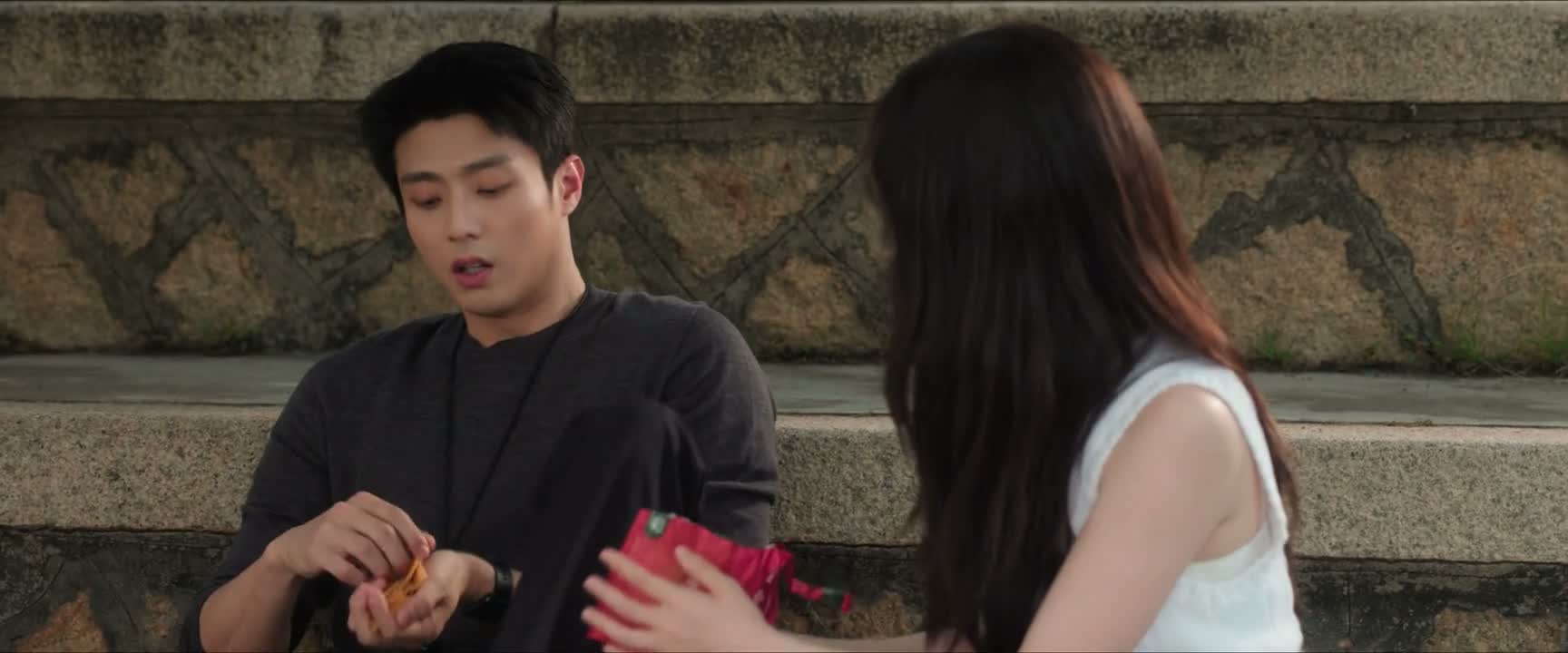 00:02
 00:02
(别提了) ── Previous context
“Did you say thank you to Ms. Jing? Thank you, Ms. Jing.”
 00:03
(给苓苓吃) ── Previous context
“Kids need nutrition when they're growing. Thanks. Don't mention it.”
 00:02
 00:02
 00:03
(等我外婆回来了 我给你买巧克力和奶油蛋糕) ── Previous context
“No need to treat me. Just pay me back. Thanks.”
[Scene: 出行交通]
(4 clips) 00:03
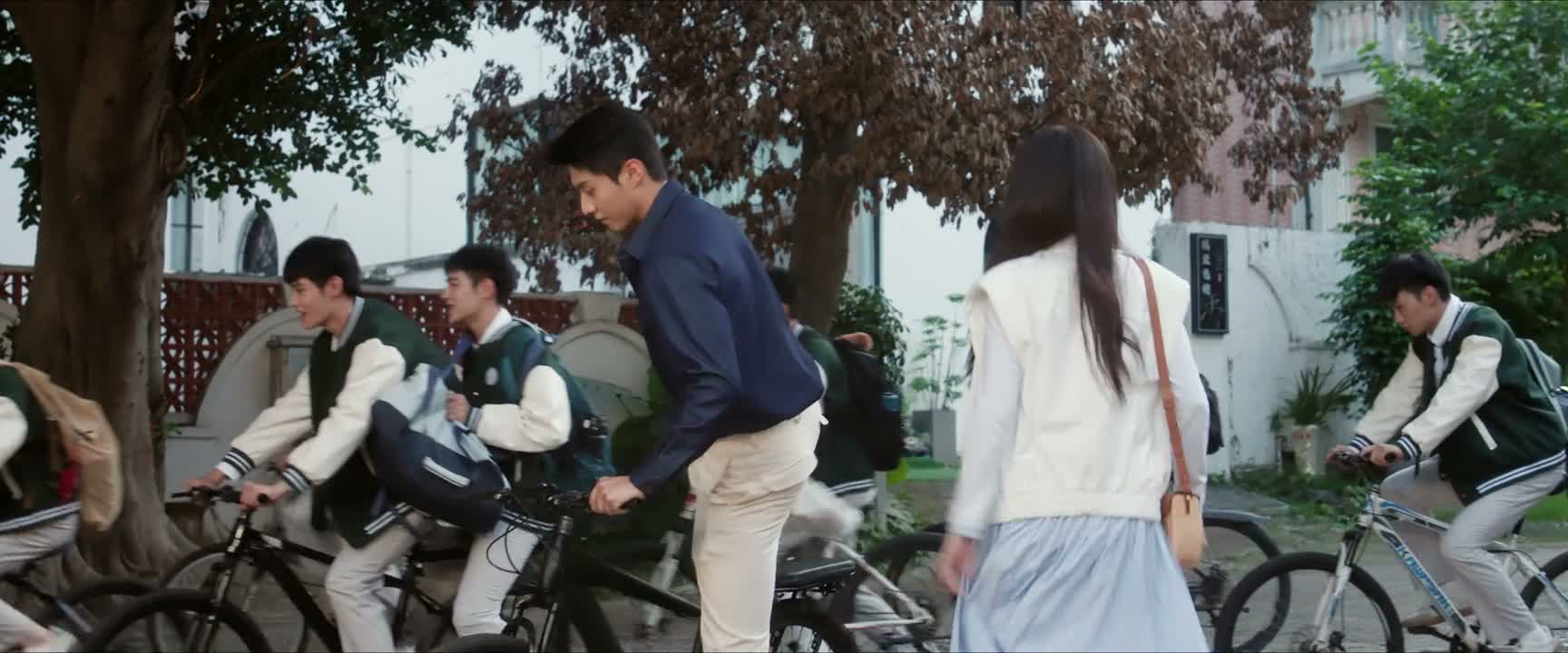
(这是秋萍的一份心意 我帮你拿着 我去车站送你) ── Previous context
“Let's go. Alright, thank you. Well... I'm off.”
 00:02
 00:03
 00:02
[Scene: 餐饮美食]
(3 clips) 00:03
(辛苦了 拜拜) ── Previous context
“Here. Come on. Three lunch boxes. - Thank you. - Much appreciated. Thanks.”
 00:02
 00:03
(搞一批纸 那好好 那太好了) ── Previous context
“Thank you so much. No problem. Here, eat. Okay.”
[Scene: 其他场景]
(2 clips) 00:02
 00:02
[Scene: 历史宫廷]
(2 clips) 00:03
(是为了感谢长公主殿下 不是说径州被拱卫署) ── Previous context
“But wasn't Jingzhou turned upside down by the Imperial Guard Office? Why are they thanking her?”
 00:03
(多谢) ── Previous context
“-Thank you. -I've heard Leader Qing Li is the real deal.”
[Scene: 其他场景]
(2 clips) 00:03
(这么晚还在这儿陪着 怎么样了 你忙碌了一天) ── Previous context
“Go get some rest. - Thanks. - Okay. He'll be fine. Don't worry.”
 00:02
[Scene: 其他场景]
(2 clips) 00:03
(她要是有时间就让她看看) ── Previous context
“Thank you so much, Ms. Yan. Please carefully observe any change”
 00:02
[Scene: 商务沟通]
(1 clips) 00:03
[Scene: 职场工作]
(1 clips) 00:02
📌 没事
→Nuance: 同为道谢并结束交际准备离开
📌 没事
→Nuance: 辞行与道谢交际意图完全一致
📌 走走走
→Nuance: 意图同为致谢并催促离开
📌 来来来
→Nuance: 核心交际意图完全一致,请求帮忙
📌 那行
→Nuance: 同为道谢并结束交际准备离开
📌 那行
→Nuance: 同为告辞离开,可直接互换
📌 好嘞
→Nuance: 同为邀请上车并应答
📌 好嘞
→Nuance: 同为邀人上车且对方爽快答应