MC
MandarinClips Cinema Corpus
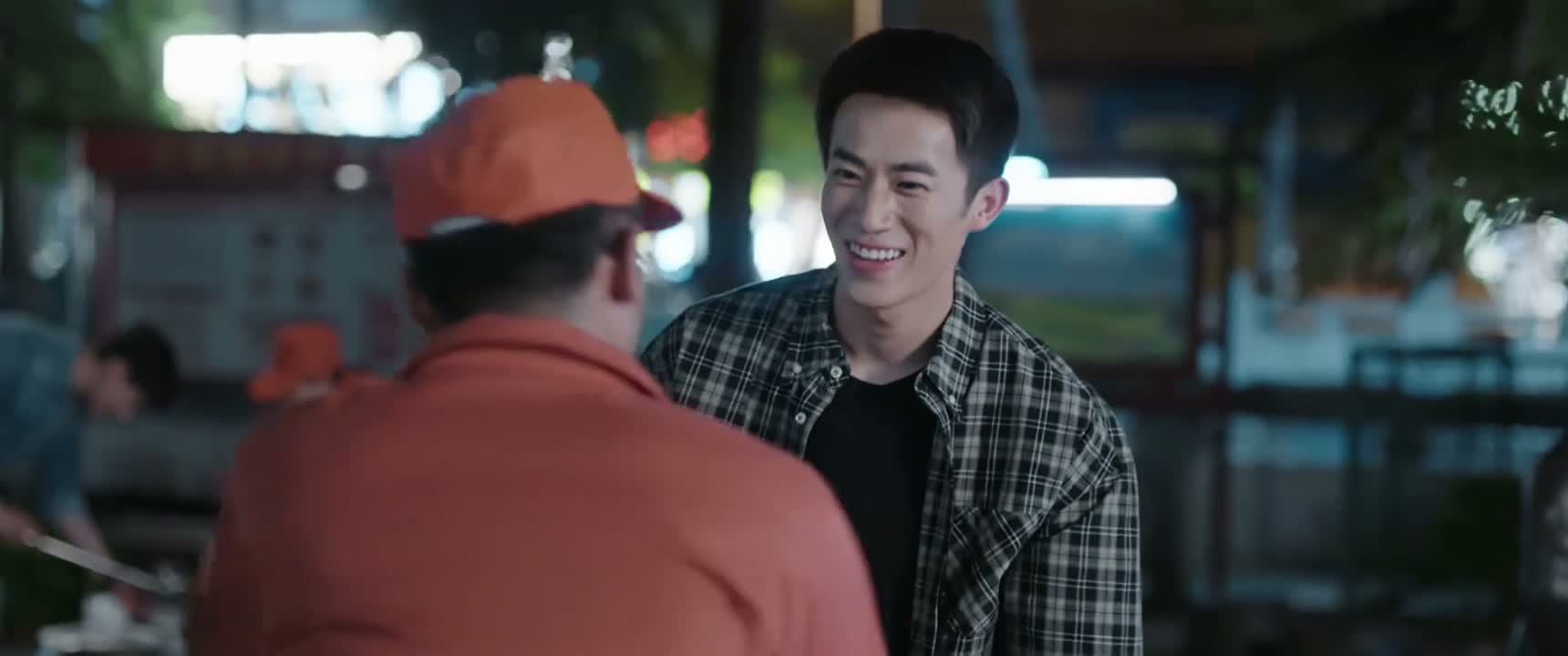
《Born to Be Alive》 S1·E8 (08:39) HSK 4
tài gǎn xiè le méi shì méi shì lái chī chī hǎo

太感谢了 没事 没事 来 吃 吃 好

“Thank you so much. No problem. Here, eat. Okay.”

《Born to Be Alive》 S1·E8
TIMECODE: 08:39 · 1080P MASTER AUDIO

THE DIALOGUE REEL

1+1+1 SPOKEN CONTINUITY
[-1] PREVIOUS TURN gǎo yī pī zhǐ nà hǎo hǎo nà tài hǎo le

“for a batch of paper. Well, that'll be great.”

tài gǎn xiè le méi shì méi shì lái chī chī hǎo CURRENT FOCUS

太感谢了 没事 没事 来 吃 吃 好

“Thank you so much. No problem. Here, eat. Okay.”

[+1] FOLLOW-UP TURN kuài chī duō chī diǎn a hǎo

快吃 多吃点啊 好

“Eat up. Have some more. Okay.”

Subtitles synced to millisecond timecode Browse Show Clips →
Scene: Dining & Food
Function: EXPRESSING HOSPITALITY
Tone: WARM
Emotion: GRATITUDE
WHAT THEY REALLY MEAN (PRAGMATIC SUBTEXT)

Direct spoken expression in this communicative setting.

💡 Cultural Insight: Hospitable Meal Urging (Quanfan)

Chinese dining hospitality involves hosts warmly and repeatedly urging guests to eat and enjoy the food to create an affectionate atmosphere.

INTENT TAGS: #gratitude #hospitality #dining_etiquette #encouragement
🧩

LEARNING CHUNKS & PARTICLES

3 CHUNKS · 1 PARTICLES
太感谢了 SPOKEN CHUNK

thank you so much

A very standard and enthusiastic expression of heartfelt appreciation.

没事 SPOKEN CHUNK

it's nothing / no problem

Common spoken phrase used to wave off someone's thanks or apology pleasantly.

来 吃 吃 SPOKEN CHUNK

come on, eat up

Classic host phrase used to invite guests to begin eating without formality.

Modal Particle「了」 (le) CHANGE OF STATE

Completes the emphatic structure '太...了' to express sincere gratitude.
🏮

VOCABULARY & EXPRESSIONS

2 EXPR · 1 GRAMMAR
CROSS-CINEMA CORPUS BOARD · PARALLEL SCENES

Parallel Spoken Cinema Scenes (语义近邻切片)

EXPLORE BY SEMANTIC SIMILARITY
《Born to Be Alive》 S1·E8 (08:39) · Authentic Cinema Dialogue Corpus