来 搭把手 谢谢了 辛苦了 好 好 好
“Lend a hand. Thanks. Okay.”
THE DIALOGUE REEL
来了
“Okay.”
来 搭把手 谢谢 了 辛苦了 好 好 好
“Lend a hand. Thanks. Okay.”
辛苦 辛苦
“Thanks.”
Direct spoken expression in this communicative setting.
Saying '辛苦了' immediately recognizes the partner's physical toil, maintaining mutual rapport and social warmth during cooperative tasks.
LEARNING CHUNKS & PARTICLES
lend a hand; help out
An extremely common colloquial idiom used to request quick, immediate physical assistance from nearby people.
thank you for your hard work; thanks for your trouble
The indispensable Chinese social courtesy used to acknowledge someone's physical or mental effort.
Completed action marker fused into polite set expressions like 谢谢了 and 辛苦了.
VOCABULARY & EXPRESSIONS
Parallel Spoken Cinema Scenes (语义近邻切片)
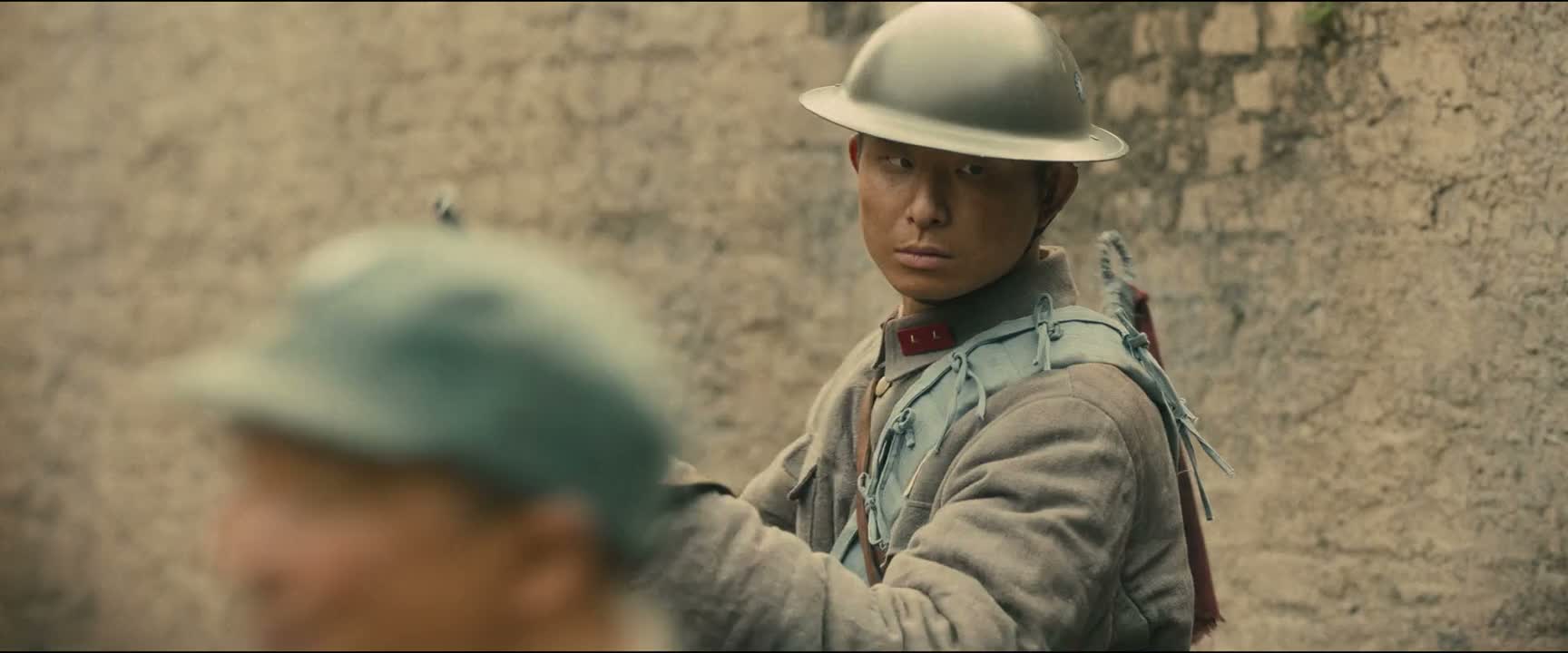
“Give me a hand. Come on. Give me a hand.”

“Come, give me a hand.”

“Give me a hand. Watch your step.”

“Give me a hand. Get up.”

“- Give me a hand! - Sir! Can this sofa fit through the hall?”

“Help me! Careful! Hold tight.”