来 上车 好 好 好 太感谢了 谢谢啊
“Get in. Okay. Thanks. Thanks.”
THE DIALOGUE REEL
来 上车 好 好 好 太感谢了 谢谢啊
“Get in. Okay. Thanks. Thanks.”
谢谢 谢谢 不客气 不客气 谢谢 谢谢
“Thanks. Sure. Thanks.”
Direct spoken expression in this communicative setting.
In spoken Chinese, repeating words like '好' and '谢谢' multiple times conveys heightened enthusiasm, genuine politeness, and heartfelt appreciation.
LEARNING CHUNKS & PARTICLES
get in the vehicle / board the car
A highly frequent imperative used when inviting or instructing someone to enter a car or bus.
thank you so much / deeply grateful
A stronger and more heartfelt alternative to a simple thank-you when someone does you a substantial favor.
Softens the final expression of gratitude, making the thanks sound warm and natural.
VOCABULARY & EXPRESSIONS
Parallel Spoken Cinema Scenes (语义近邻切片)
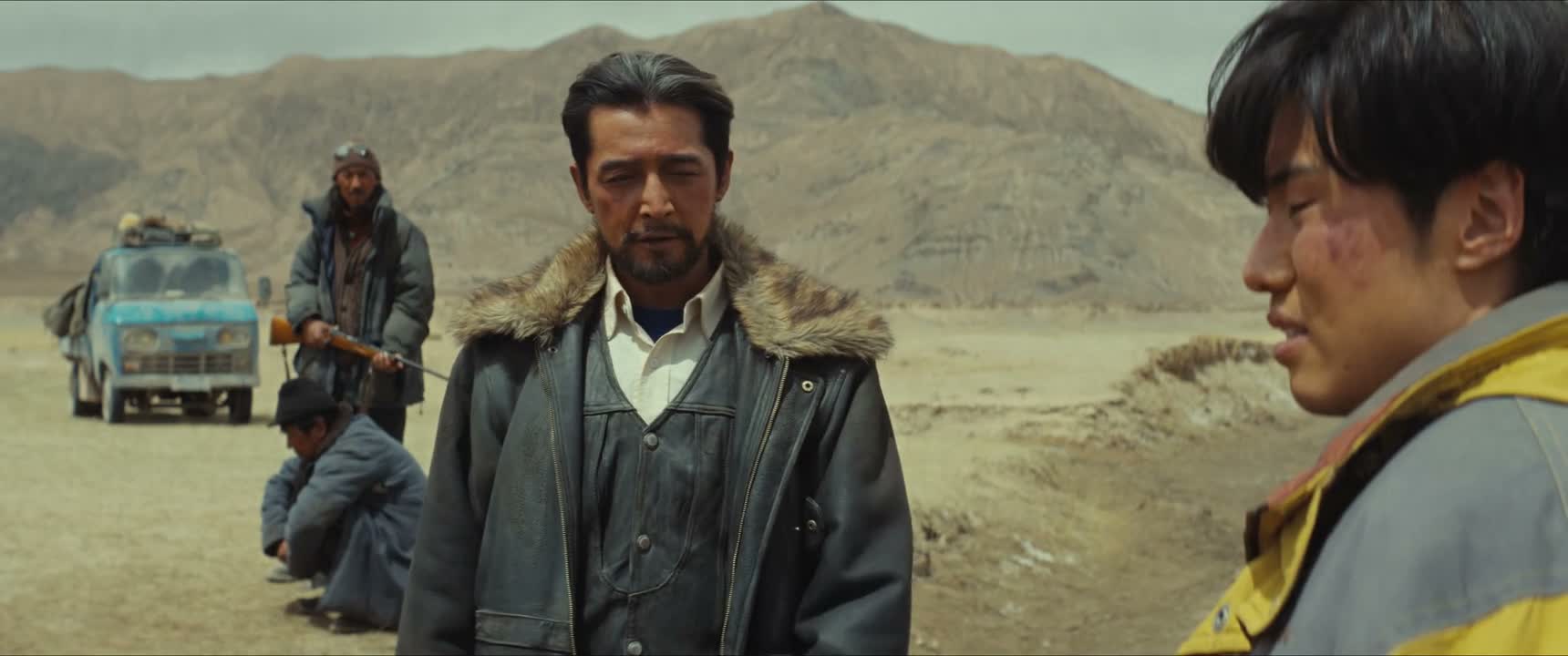
“Get in with us. Sure.”

“Hello, Uncle Ding. Hello. Just get in the car. Thank you, Mr. Ding.”

“Drive faster, please. Okay.”