MC
MandarinClips Cinema Corpus
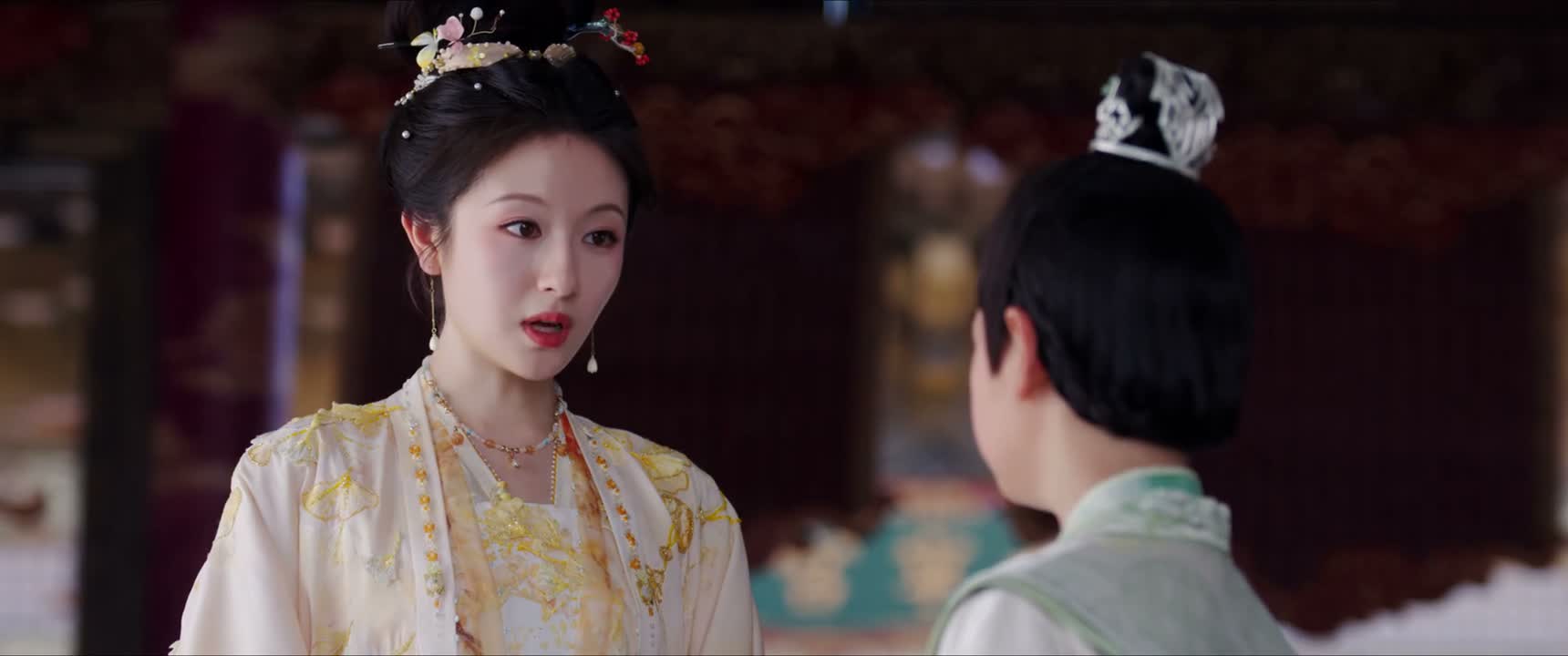
《The Truth》 S1·E8 (25:50) HSK 5
wèi wèi shén me zhè me shuō ya tā zuì jìn xīn qíng bù cuò a

为 为什么这么说呀 他最近心情不错啊

“W-Why would you say that? He's been in a good mood lately.”

《The Truth》 S1·E8
TIMECODE: 25:50 · 1080P MASTER AUDIO

THE DIALOGUE REEL

1+1+1 SPOKEN CONTINUITY
[-1] PREVIOUS TURN tā shì bú shì zuì jìn yǒu chén yǔ mò de xiāo xī le

“Did he get any news about Chen Yumo recently?”

wèi wèi shén me zhè me shuō ya tā zuì jìn xīn qíng bù cuò a CURRENT FOCUS

为 为什么这么说 呀 他最近 心情不错 啊

“W-Why would you say that? He's been in a good mood lately.”

[+1] FOLLOW-UP TURN tā xīn qíng bù hǎo néng gēn wǒ shuō duì bù qǐ ma

“He never apologizes to me if he's in a bad mood.”

Subtitles synced to millisecond timecode Browse Show Clips →
Scene: Social & Dating
Function: INQUIRING AND COUNTERING
Tone: INQUISITIVE AND CASUAL
Emotion: CURIOSITY
WHAT THEY REALLY MEAN (PRAGMATIC SUBTEXT)

Direct spoken expression in this communicative setting.

💡 Cultural Insight: Gossip and Interpersonal Observation

In Chinese social interactions, friends frequently gauge third parties' emotional states and life updates through subtle behavioural clues.

INTENT TAGS: #inquiry #counter_evidence #curiosity #probing
🧩

LEARNING CHUNKS & PARTICLES

2 CHUNKS · 2 PARTICLES
为什么这么说 SPOKEN CHUNK

why do you say that

A natural spoken phrase used to ask someone to explain the basis of their claim or opinion.

心情不错 SPOKEN CHUNK

in a good mood

A common everyday collocation used to describe someone feeling cheerful or content.

Modal Particle「呀」 (ya) CHANGE OF STATE

Softens the inquiry, making the question sound gentle and curious rather than confrontational.

Modal Particle「啊」 (a) CHANGE OF STATE

Adds an explanatory tone to the observation, expressing mild surprise or affirmation.
🏮

VOCABULARY & EXPRESSIONS

2 EXPR · 1 GRAMMAR
CROSS-CINEMA CORPUS BOARD · PARALLEL SCENES

Parallel Spoken Cinema Scenes (语义近邻切片)

EXPLORE BY SEMANTIC SIMILARITY
《The Truth》 S1·E8 (25:50) · Authentic Cinema Dialogue Corpus