MC
MandarinClips Cinema Corpus
《Light to the Night》 S1·E13 (44:48) HSK 1
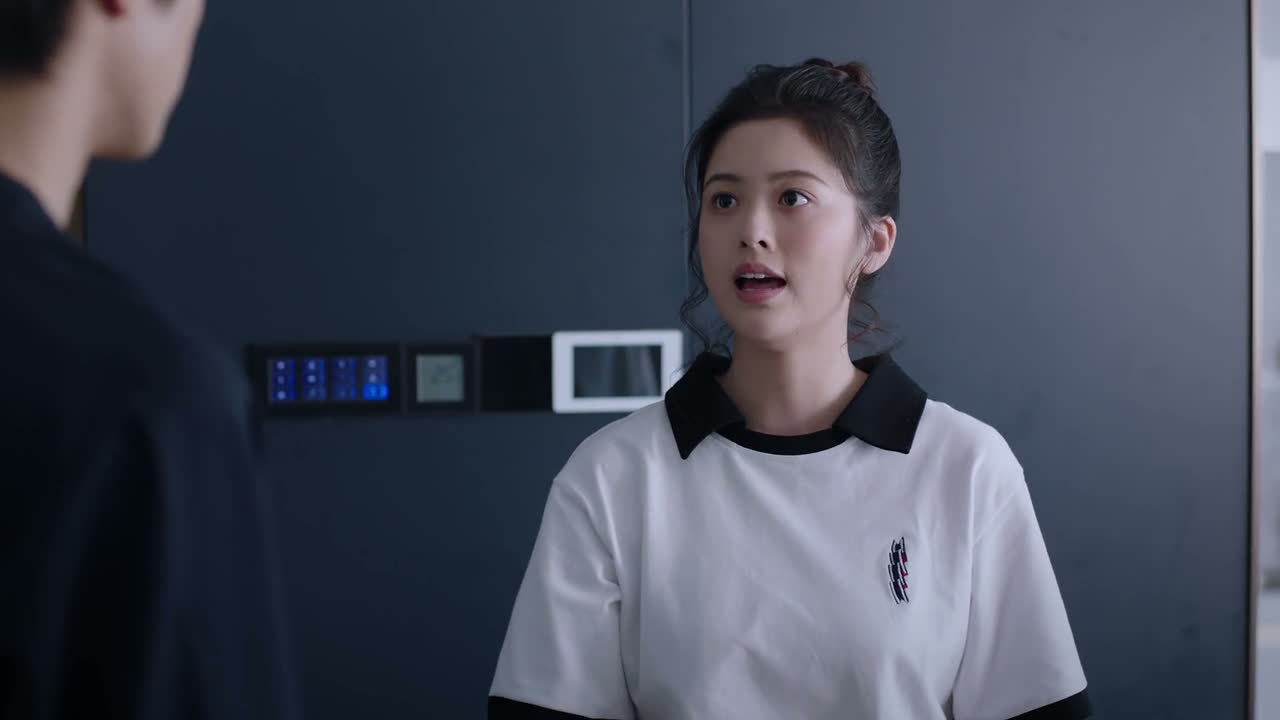
gàn shén me ? hái méi kàn gòu ne

干什么?还没看够呢

“What are you doing? I'm not done admiring it.”

《Light to the Night》 S1·E13
TIMECODE: 44:48 · 1080P MASTER AUDIO

THE DIALOGUE REEL

1+1+1 SPOKEN CONTINUITY
[-1] PREVIOUS TURN shuí hái gǎn shuō wǒ shì wō nāng fèi ?

谁还敢说我是窝囊废?

“who dares call me a good-for-nothing again.”

gàn shén me ? hái méi kàn gòu ne CURRENT FOCUS

干什么 ? 还没看够 呢

“What are you doing? I'm not done admiring it.”

[+1] FOLLOW-UP TURN nǐ kāng fù yǐ hòu a sān gāo de yào yí dìng yào àn shí chī

你康复以后啊 三高的药一定要按时吃

“Once you recover, you must take your medications for your condition on time.”

Subtitles synced to millisecond timecode Browse Show Clips →
Scene: Medical & Health
Function: DEFENSIVE QUESTIONING
Tone: DEFENSIVE
Emotion: FRUSTRATION
WHAT THEY REALLY MEAN (PRAGMATIC SUBTEXT)
“Stop staring at me like I'm fragile; it's making me uncomfortable.”
💡 Cultural Insight: Defensive Pride During Illness

In Chinese family settings, patriarchal or older figures often display feigned irritation when scrutinized to maintain dignity while in a physically weakened state.

INTENT TAGS: #defensiveness #self_consciousness #masking_vulnerability #protest
🧩

LEARNING CHUNKS & PARTICLES

2 CHUNKS · 1 PARTICLES
干什么 SPOKEN CHUNK

what are you doing?; what do you want?

A common blunt conversational starter used when irritated, surprised, or defensive.

看够 SPOKEN CHUNK

seen enough; had one's fill of looking

Often used in the negative rhetorical form to protest being stared at uncomfortably.

Modal Particle「呢」 (ne) CHANGE OF STATE

Emphasizes the ongoing nature of the action and adds a slight petulant or challenging coloring to the rhetorical question.
🏮

VOCABULARY & EXPRESSIONS

2 EXPR · 1 GRAMMAR
CROSS-CINEMA CORPUS BOARD · PARALLEL SCENES

Parallel Spoken Cinema Scenes (语义近邻切片)

EXPLORE BY SEMANTIC SIMILARITY
《Light to the Night》 S1·E13 (44:48) · Authentic Cinema Dialogue Corpus