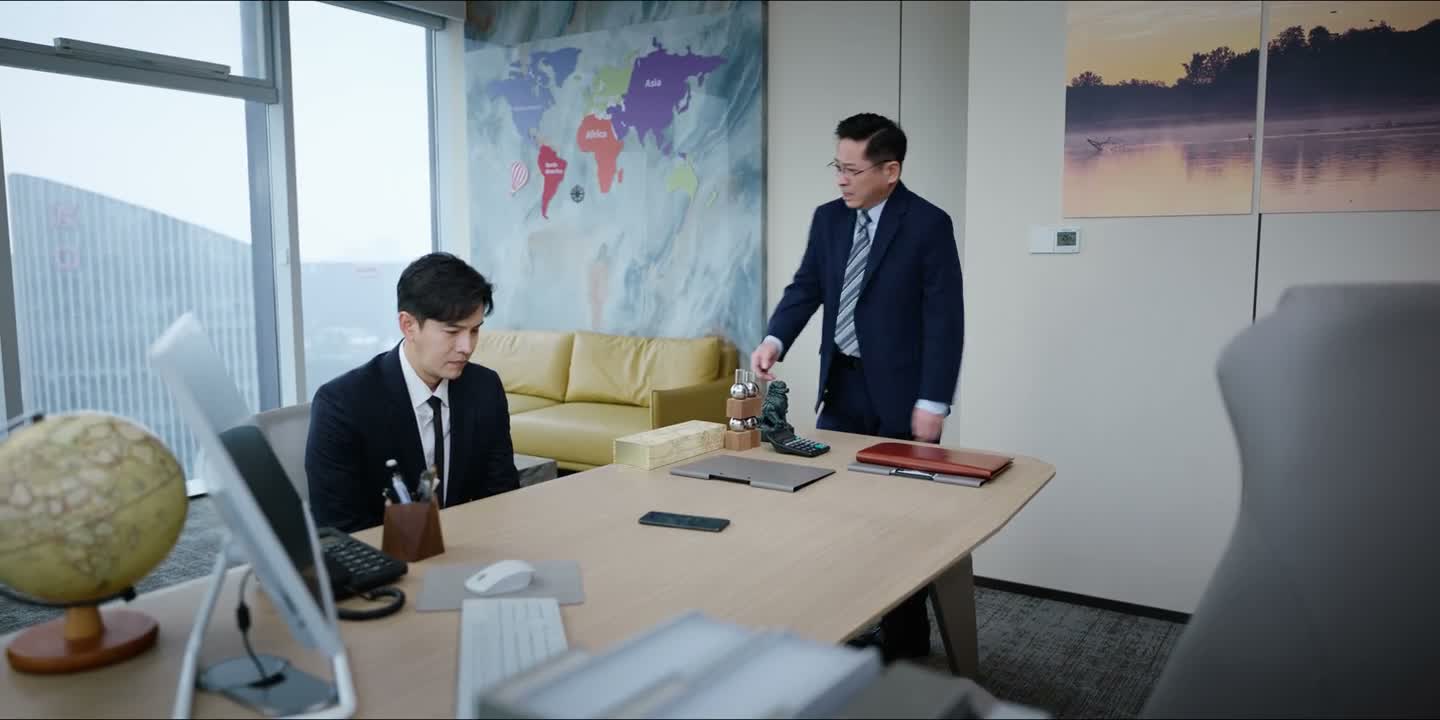
《Pursuit of Jade》 S1·E22 (01:33)
HSK 3
nǐ píng shí bú shì tǐng cōng míng de ma
你平时不是挺聪明的吗
“Aren't you usually quite smart?”
《Pursuit of Jade》
S1·E22
TIMECODE: 01:33
·
1080P MASTER AUDIO
THE DIALOGUE REEL
[-1] PREVIOUS TURN
hái shì jiǎ tīng bù míng bái
还是假听不明白
“or are you just pretending?”
nǐ píng shí bú shì tǐng cōng míng de ma
CURRENT FOCUS
你平时 不是 挺聪明的吗
“Aren't you usually quite smart?”
[+1] FOLLOW-UP TURN
wǒ shuō
我说
“I said,”
Subtitles synced to millisecond timecode
Browse Show Clips →
Scene:
Crisis & Conflict
Function:
CRITICIZING
Tone:
SARCASTIC
Emotion:
FRUSTRATION
WHAT THEY REALLY MEAN (PRAGMATIC SUBTEXT)
“Stop playing dumb; you know exactly what I am talking about.”
💡 Cultural Insight: Accusing Feigned Ignorance
Rhetorically complimenting someone's past intelligence is a frequent Chinese conversational device to shame them for current stubbornness or playing dumb (装傻).
INTENT TAGS:
#sarcasm
#criticism
#confrontation
#calling_out
🧩
2 CHUNKS · 1 PARTICLES
LEARNING CHUNKS & PARTICLES
平时
SPOKEN CHUNK
usually / normally / in ordinary times
Commonly placed before a predicate to contrast past normal behavior with the present situation.
不是……吗
SPOKEN CHUNK
aren't you...? / isn't it...?
Rhetorical question structure used to confront an inconsistency or remind someone of an obvious fact.
Modal Particle「吗」 (ma)
CHANGE OF STATE
Turns the statement into a rhetorical question, reinforcing the critical and challenging tone.
🏮
1 EXPR · 0 GRAMMAR
VOCABULARY & EXPRESSIONS
COLLOQUIAL EXPRESSIONS:
CROSS-CINEMA CORPUS BOARD · PARALLEL SCENES
EXPLORE BY SEMANTIC SIMILARITY
Parallel Spoken Cinema Scenes (语义近邻切片)
《Pursuit of Jade》 S1·E22 (01:33) · Authentic Cinema Dialogue Corpus