你说你平时看着挺精明的一个人
“You usually seem quite smart.”
THE DIALOGUE REEL
集团的电话也追过来了
“and the group is calling about it.”
你说你 平时 看着 挺 精明 的一个人
“You usually seem quite smart.”
怎么到了关键时刻
“How could you, at such a critical moment,”
“I expected much better from you, so how could you drop the ball on something this important?”
In Chinese organizational culture, highlighting a person's prior competence before delivering harsh criticism is a common rhetorical technique that emphasizes how uncharacteristic and damaging their recent failure is.
LEARNING CHUNKS & PARTICLES
shrewd; astute; sharp
Describes someone who is clever, calculating, and rarely makes silly mistakes in business or social matters.
look at you; tell me why you...
A spoken rhetorical opening used to preface a lecture, scolding, or expression of regret towards someone's misdeed.
VOCABULARY & EXPRESSIONS
Parallel Spoken Cinema Scenes (语义近邻切片)
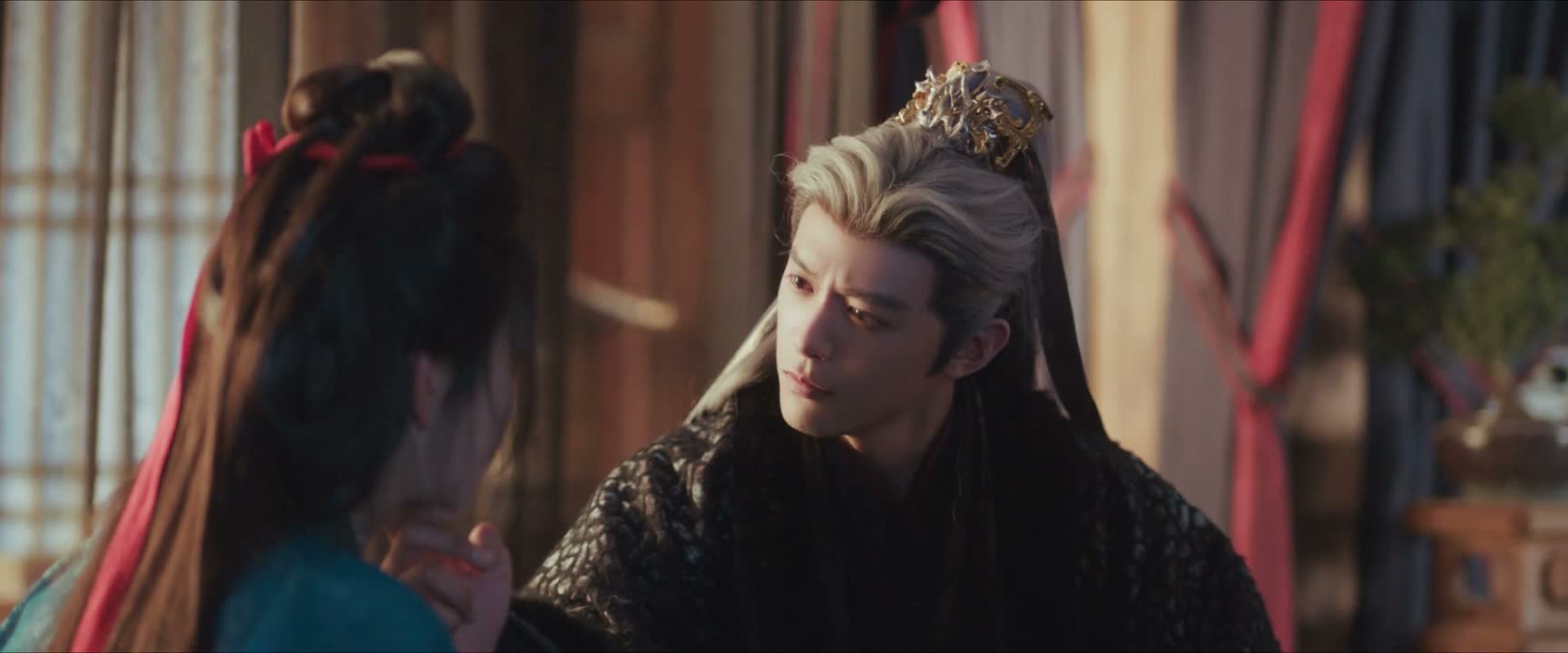
“Aren't you usually quite smart?”
“He usually looks ordinary, but in critical moments,”
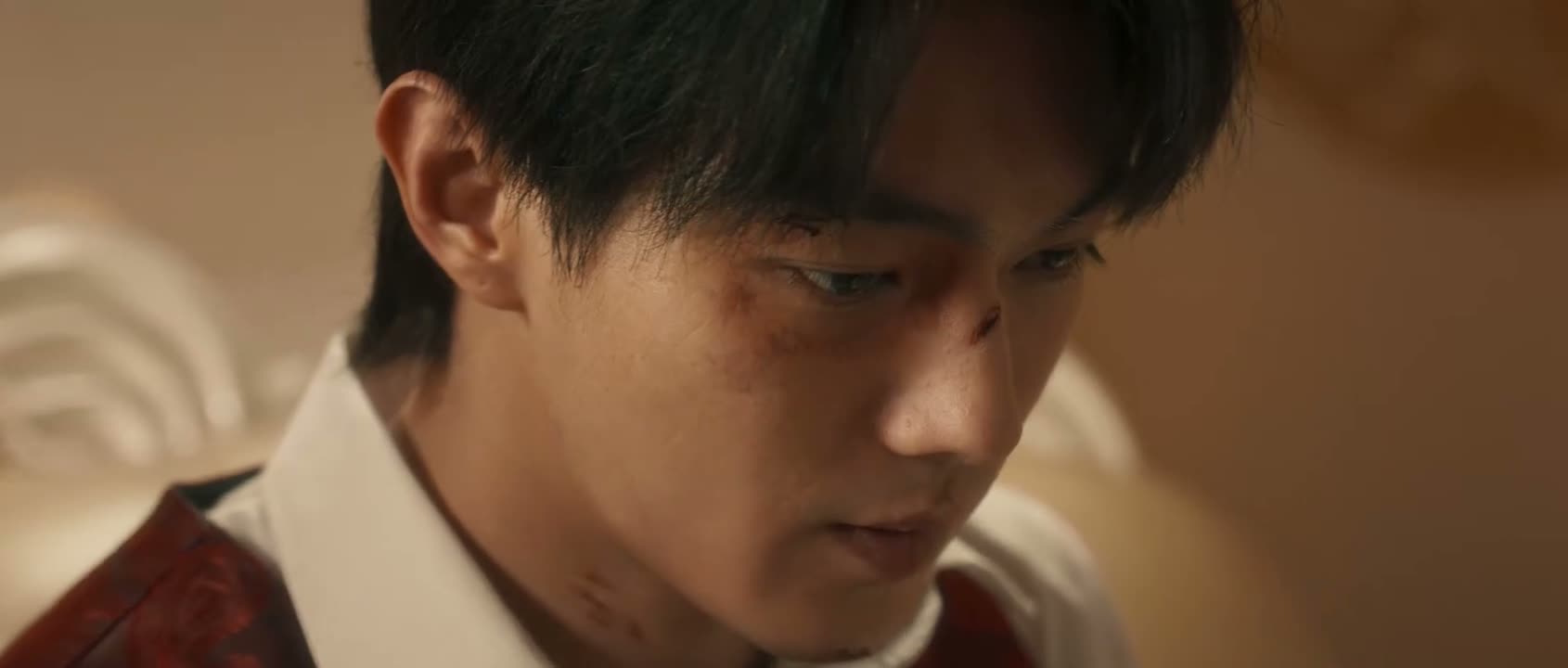
“I think you're smart enough”
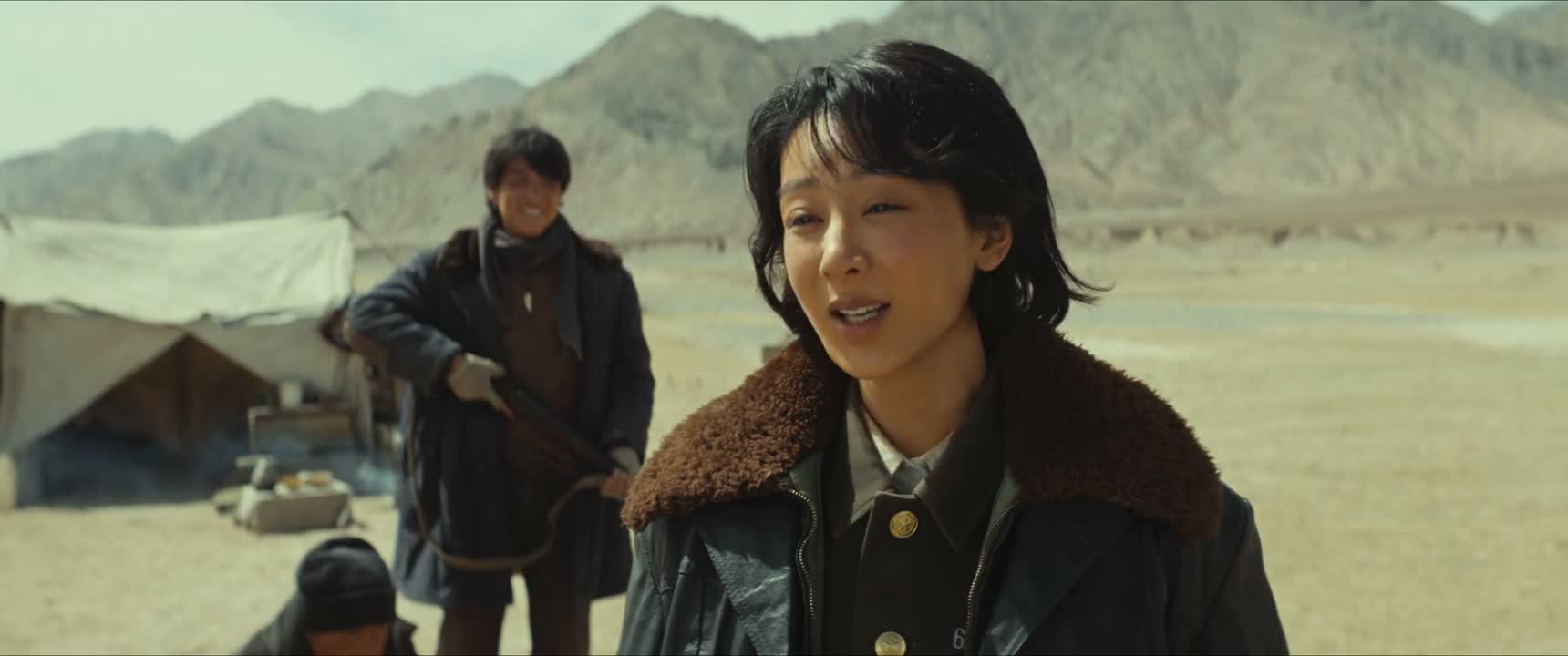
“You look sharp. Okay.”