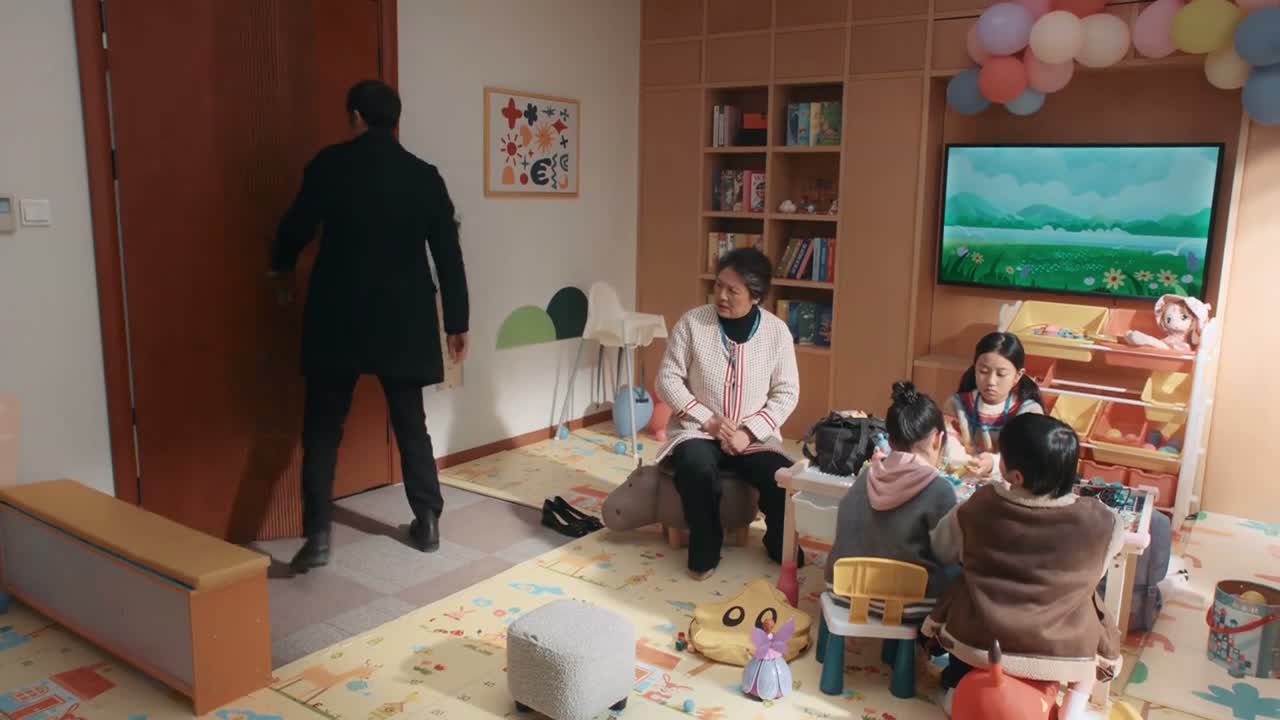
《The Heir》 S1·E26 (02:19)
HSK 5
nǐ hái yǒu liǎn wèn wǒ ya
你还有脸问我呀
“You have the nerve to ask me?”
《The Heir》
S1·E26
TIMECODE: 02:19
·
1080P MASTER AUDIO
THE DIALOGUE REEL
[-1] PREVIOUS TURN
zhè zhè zān zi zěn me huì zài nǐ shǒu lǐ
“H-How did this hairpin end up in your hands?”
nǐ hái yǒu liǎn wèn wǒ ya
CURRENT FOCUS
你 还有脸 问我 呀
“You have the nerve to ask me?”
[+1] FOLLOW-UP TURN
dāng zhe sān gē hé chūn huā de miàn zhuāng dé rén mó rén yàng zhuǎn guò tóu
当着三哥和春花的面 装得人模人样 转过头
“In front of Third Brother and Chunhua, you pretend to be a decent person. But behind their backs,”
Subtitles synced to millisecond timecode
Browse Show Clips →
Scene:
Crisis & Conflict
Function:
REBUKING
Tone:
CONFRONTATIONAL AND SCATHING
Emotion:
INDIGNATION
WHAT THEY REALLY MEAN (PRAGMATIC SUBTEXT)
“You know full well what you did, so stop acting innocent.”
💡 Cultural Insight: Lian (Moral Face and Shame)
In Chinese culture, 'lian' represents basic moral integrity. Accusing someone of having 'no lian' implies a serious moral failure.
INTENT TAGS:
#rebuke
#calling_out
#confrontation
#shaming
🧩
1 CHUNKS · 1 PARTICLES
LEARNING CHUNKS & PARTICLES
还有脸
SPOKEN CHUNK
still have the nerve / shameless enough to
A colloquial, biting criticism used to call out someone acting innocent or demanding privileges after wrongdoing.
Modal Particle「呀」 (ya)
CHANGE OF STATE
Heightens the rhetorical sharpness and underlines the speaker's incredulity at the listener's audacity.
🏮
2 EXPR · 0 GRAMMAR
VOCABULARY & EXPRESSIONS
COLLOQUIAL EXPRESSIONS:
CROSS-CINEMA CORPUS BOARD · PARALLEL SCENES
EXPLORE BY SEMANTIC SIMILARITY
Parallel Spoken Cinema Scenes (语义近邻切片)

《The Heir》 S1·E26 (02:19) · Authentic Cinema Dialogue Corpus