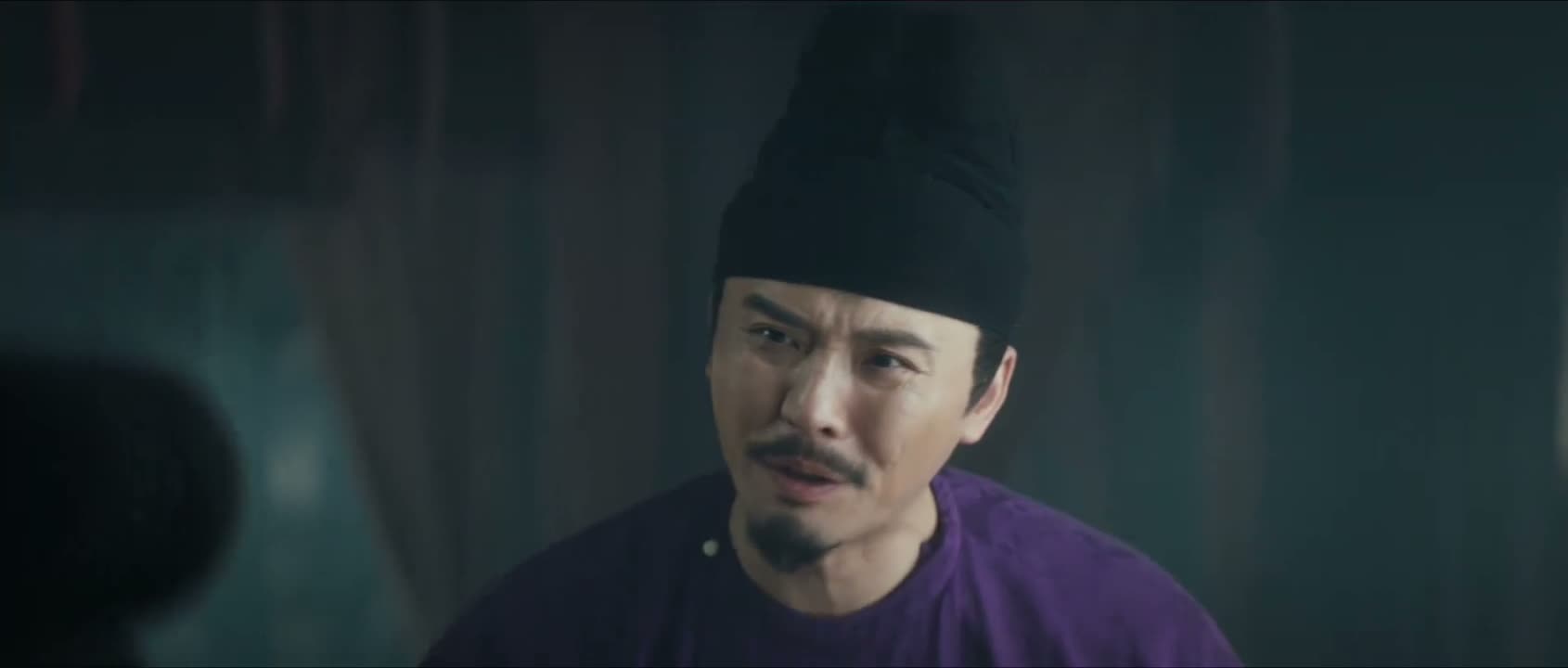
《The Lead》 S1·E20 (40:49)
HSK 5
zhè què rú hé shì hǎo ya
这却如何是好呀
“What should I do?”
《The Lead》
S1·E20
TIMECODE: 40:49
·
1080P MASTER AUDIO
THE DIALOGUE REEL
[-1] PREVIOUS TURN
tǔ dòu kǎo hú le
土豆烤煳了
“the potato got burnt.”
zhè què rú hé shì hǎo ya
CURRENT FOCUS
这却 如何是好 呀
“What should I do?”
Subtitles synced to millisecond timecode
Browse Show Clips →
Scene:
Dining & Food
Function:
EXPRESSING DISMAY
Tone:
DRAMATIC
Emotion:
ANXIETY
WHAT THEY REALLY MEAN (PRAGMATIC SUBTEXT)
“Oh no, we messed up the cooking! Help me figure out what to do now.”
💡 Cultural Insight: Classical Cadence in Daily Speech
Native speakers occasionally slip literary structures like '这却如何是好' into trivial daily troubles to add playful drama or self-deprecating humor.
INTENT TAGS:
#expressing_helplessness
#dramatizing
#seeking_solution
#fretting
🧩
1 CHUNKS · 1 PARTICLES
LEARNING CHUNKS & PARTICLES
如何是好
SPOKEN CHUNK
what is to be done; what can be done
A semi-literary set phrase often used in spoken modern Chinese for theatrical or humorous helplessness.
Modal Particle「呀」 (ya)
CHANGE OF STATE
Adds a melodramatic, softened sigh of helplessness to the question.
🏮
1 EXPR · 0 GRAMMAR
VOCABULARY & EXPRESSIONS
COLLOQUIAL EXPRESSIONS:
CROSS-CINEMA CORPUS BOARD · PARALLEL SCENES
EXPLORE BY SEMANTIC SIMILARITY
Parallel Spoken Cinema Scenes (语义近邻切片)


《The Lead》 S1·E20 (40:49) · Authentic Cinema Dialogue Corpus