这些娃得能吃得下苦才行呢
“These kids must be able to endure hardship.”
THE DIALOGUE REEL
而且还有个前提
“Plus, there is a catch.”
这些娃得能 吃得下苦 才行 呢
“These kids must be able to endure hardship.”
让你说着了 易青娥这些年的苦不是白吃的
“You nailed it. Yi Qing'e didn't suffer for nothing.”
“Talent alone isn't enough; let's see if they actually have the backbone to survive the grueling training.”
In traditional Chinese training contexts (like opera, martial arts, or sports), 'eating bitterness' (吃苦) is seen as the foundational moral and professional virtue required for mastery.
LEARNING CHUNKS & PARTICLES
able to endure hardship; resilient
A potential complement structure used to describe someone's capacity to tolerate physical or mental suffering for a goal.
only then will it work; only then is it acceptable
Placed at the end of a clause to set a mandatory condition or minimum standard.
Softens the assertion while gently underscoring the speaker's viewpoint for the listener to consider.
VOCABULARY & EXPRESSIONS
Parallel Spoken Cinema Scenes (语义近邻切片)

“suffering in silence.”
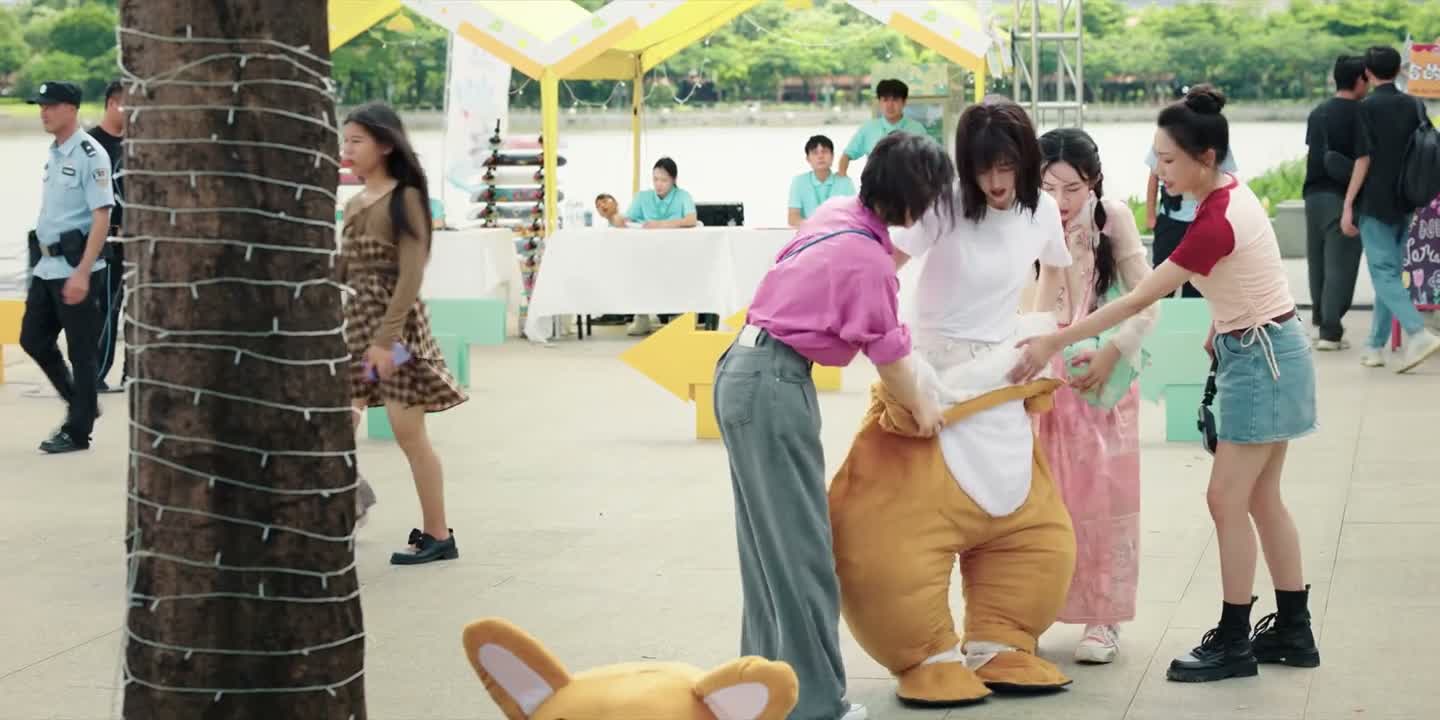
“Hardship is meant for those who can take it”
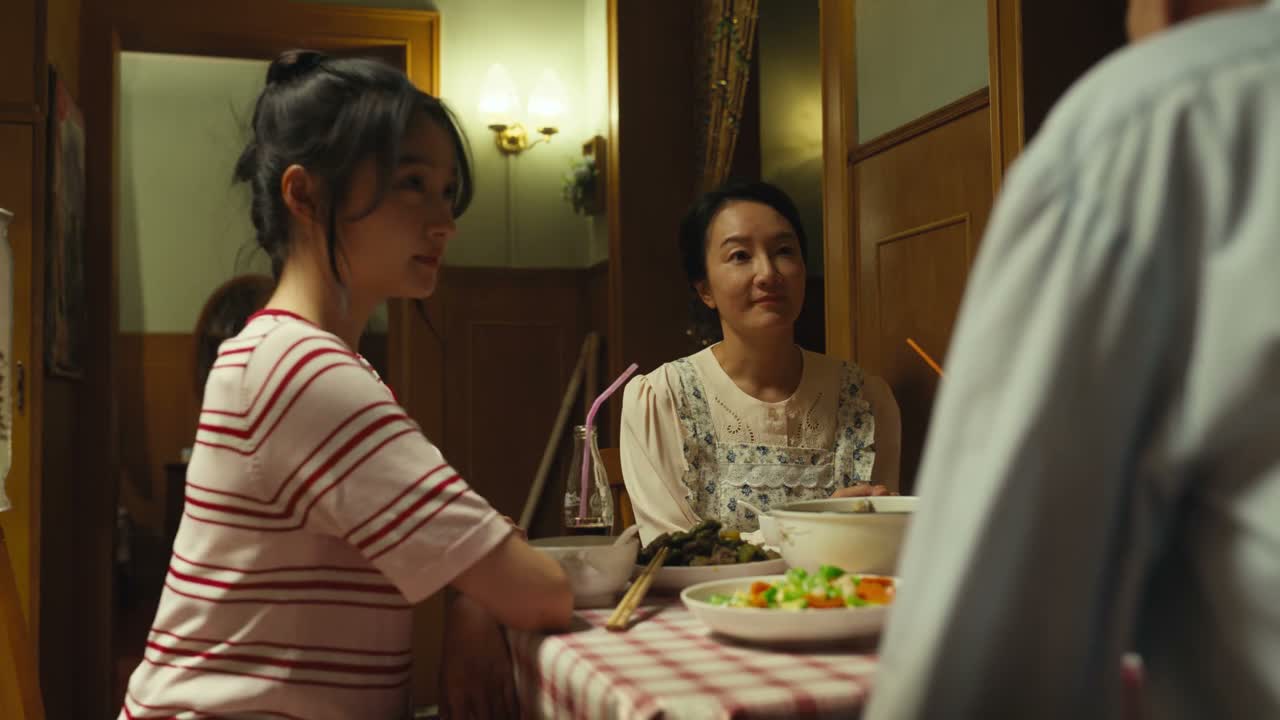
“has really worn her out.”

“You hard workers need to eat more.”

“Her kid is young, so she's exhausted.”

“but he'll have to suffer a bit.”