我又陷入到一个死胡同里
“I'm stuck in a dead end.”
THE DIALOGUE REEL
就不可能出现在那里 所以现在
“wouldn't go there. So now,”
我又陷入到一个 死胡同 里
“I'm stuck in a dead end.”
这个案子 拦路劫杀的可能性为零
“It's impossible for this to be roadside robbery-and-murder.”
Direct spoken expression in this communicative setting.
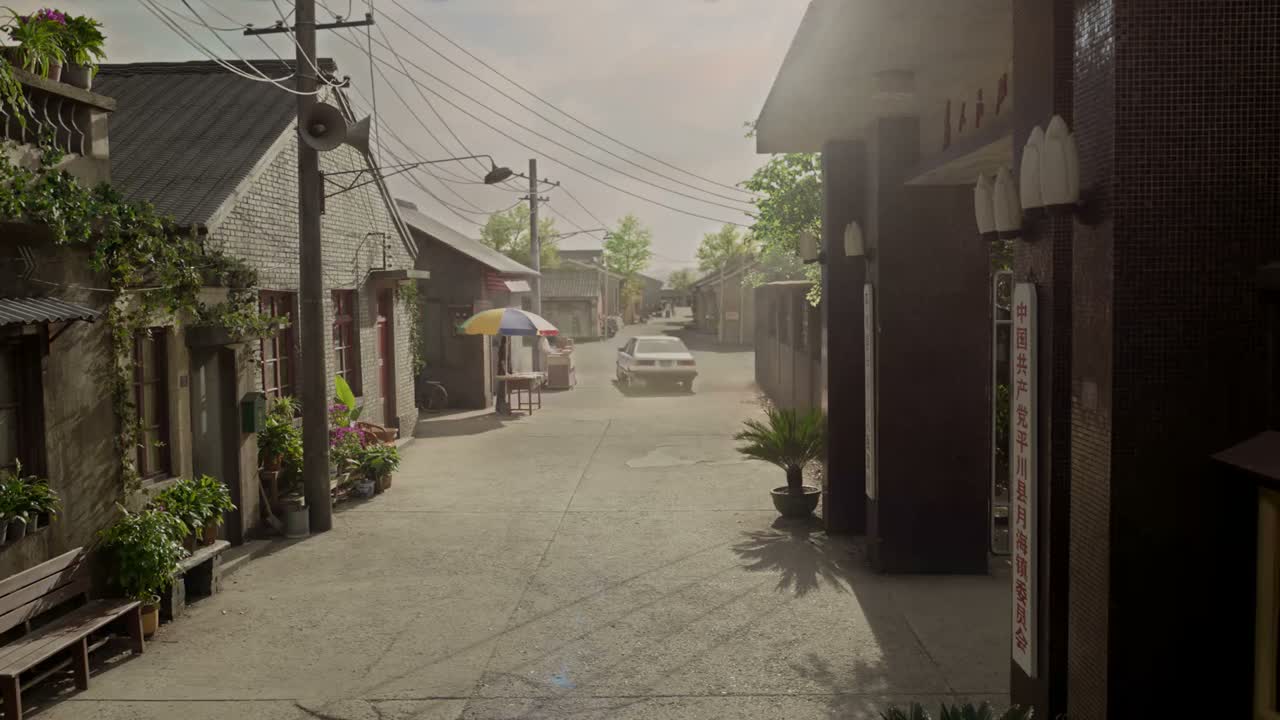
Traditional northern Chinese courtyard architecture features narrow alleyways ('hutong'), leading to the widespread figurative use of 'dead-end alley' (死胡同) to signify intellectual or practical impasses.
LEARNING CHUNKS & PARTICLES
to fall into / to get bogged down in
Used to describe involuntarily sliding into a difficult psychological, strategic, or physical predicament.
blind alley / dead end
Commonly used metaphorically to describe investigative dead ends, stalled logic, or impossible career dilemmas.
Functions as a locative postposition indicating being physically or metaphorically inside a trap or dead end.
VOCABULARY & EXPRESSIONS
Parallel Spoken Cinema Scenes (语义近邻切片)

“I've hit another dead end. The train station is right next door.”
“(was plunged into an unprecedented crisis.)”

“had nowhere else to turn to.”

“Feels like I'm sinking right into it.”