行行好 我求求你们了 谢谢
“Please, I'm begging you. Thank you.”
THE DIALOGUE REEL
我们这儿有一个刚出生的孩子
“We have a newborn baby here.”
行行好 我 求求你们了 谢谢
“Please, I'm begging you. Thank you.”
大哥 大哥
“Sir, sir.”
Direct spoken expression in this communicative setting.
Phrases like '行行好' invoke traditional concepts of accumulating virtue and doing good deeds, designed to awaken moral conscience in severe crises.
LEARNING CHUNKS & PARTICLES
have a heart; show some mercy
A highly emotional, formulaic phrase used when desperate to beg for charity, mercy, or urgent assistance.
I am begging you all
Used to convey an extreme plea, lowering one's own status to urgently solicit help.
Emphasizes the change of state to an intense, active state of desperate pleading.
VOCABULARY & EXPRESSIONS
Parallel Spoken Cinema Scenes (语义近邻切片)
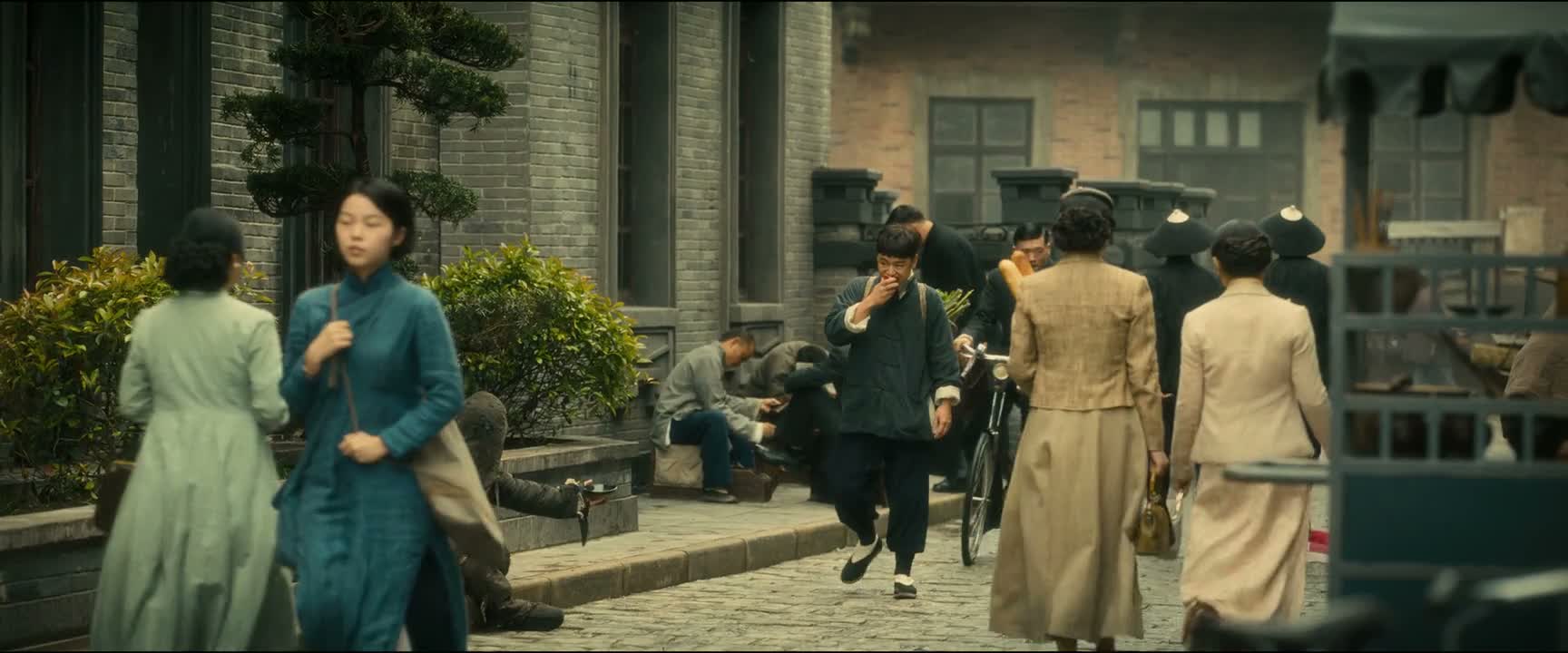
“Have pity. I haven't eaten for three days.”

“- Please. Just have a heart and let her go. - Mom... Let her go home, please.”