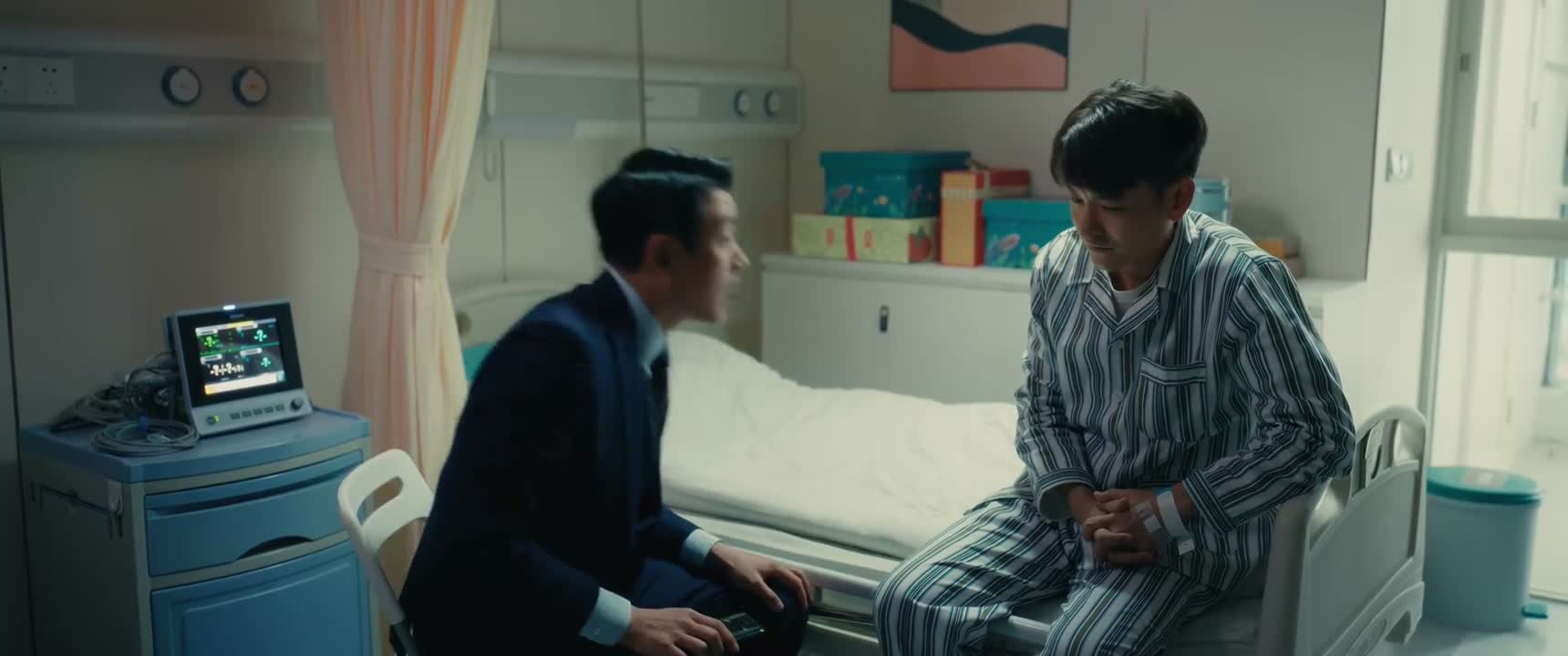
《Go Ahead》 S1·E11 (02:48)
HSK 5
nǐ gàn má yào shuō xiè ya
你干嘛要说谢呀
“Why did you say thanks?”
《Go Ahead》
S1·E11
TIMECODE: 02:48
·
1080P MASTER AUDIO
THE DIALOGUE REEL
[-1] PREVIOUS TURN
nà xiān xiè xiè nǐ le
那先谢谢你了
“Thank you.”
nǐ gàn má yào shuō xiè ya
CURRENT FOCUS
你干嘛 要说 谢呀
“Why did you say thanks?”
[+1] FOLLOW-UP TURN
wǒ men bú shì hǎo péng yǒu ma nǐ gàn má yào shuō xiè
我们不是好朋友吗 你干嘛要说谢
“Aren't we good friends? Why did you say thanks?”
Subtitles synced to millisecond timecode
Browse Show Clips →
Scene:
Social & Dating
Function:
REJECTING FORMALITY
Tone:
TEASING
Emotion:
WARMTH
WHAT THEY REALLY MEAN (PRAGMATIC SUBTEXT)
“We are close friends; thanking me makes things weirdly distant.”
💡 Cultural Insight: Avoiding Politeness with Insiders (Bu Jian Wai)
In close Chinese relationships, excessive politeness like saying 'thank you' can be perceived as treating an insider like a distant stranger.
INTENT TAGS:
#rejecting_politeness
#affirming_closeness
#solidarity
#warmth
🧩
2 CHUNKS · 1 PARTICLES
LEARNING CHUNKS & PARTICLES
干嘛要
SPOKEN CHUNK
why bother to / why on earth would you
Used to challenge an action as unnecessary, often warmly between friends.
说谢
SPOKEN CHUNK
say thanks / express gratitude
Refers to the act of verbalizing politeness and saying 'thank you'.
Modal Particle「呀」 (ya)
CHANGE OF STATE
Softens the rhetorical question into a friendly, approachable remark rather than an accusation.
🏮
2 EXPR · 0 GRAMMAR
VOCABULARY & EXPRESSIONS
COLLOQUIAL EXPRESSIONS:
CROSS-CINEMA CORPUS BOARD · PARALLEL SCENES
EXPLORE BY SEMANTIC SIMILARITY
Parallel Spoken Cinema Scenes (语义近邻切片)

《Go Ahead》 S1·E11 (02:48) · Authentic Cinema Dialogue Corpus