你就没什么想对我说的吗
“Is there truly nothing you want to say to me?”
THE DIALOGUE REEL
不会冲动
“and I will not act on impulse.”
你就 没什么想对我说的吗
“Is there truly nothing you want to say to me?”
什么
“What?”
“I know you're keeping something from me, so stop pretending and speak up.”
Chinese speakers often use open-ended rhetorical questions to give the other party a chance to confess voluntarily rather than accusing them outright.
LEARNING CHUNKS & PARTICLES
is there really nothing...
A rhetorical pattern used to express surprise, disappointment, or demand for an explanation.
want to say to me
Commonly used in interpersonal confrontations when demanding honesty or confession.
Marks a rhetorical question that conveys reproach and demands an answer.
VOCABULARY & EXPRESSIONS
Parallel Spoken Cinema Scenes (语义近邻切片)

“Don't you have anything to say to me?”

“Don't you have anything to say to me?”

“Don't you have anything you want to say to me?”

“Don't you have anything to say to me?”
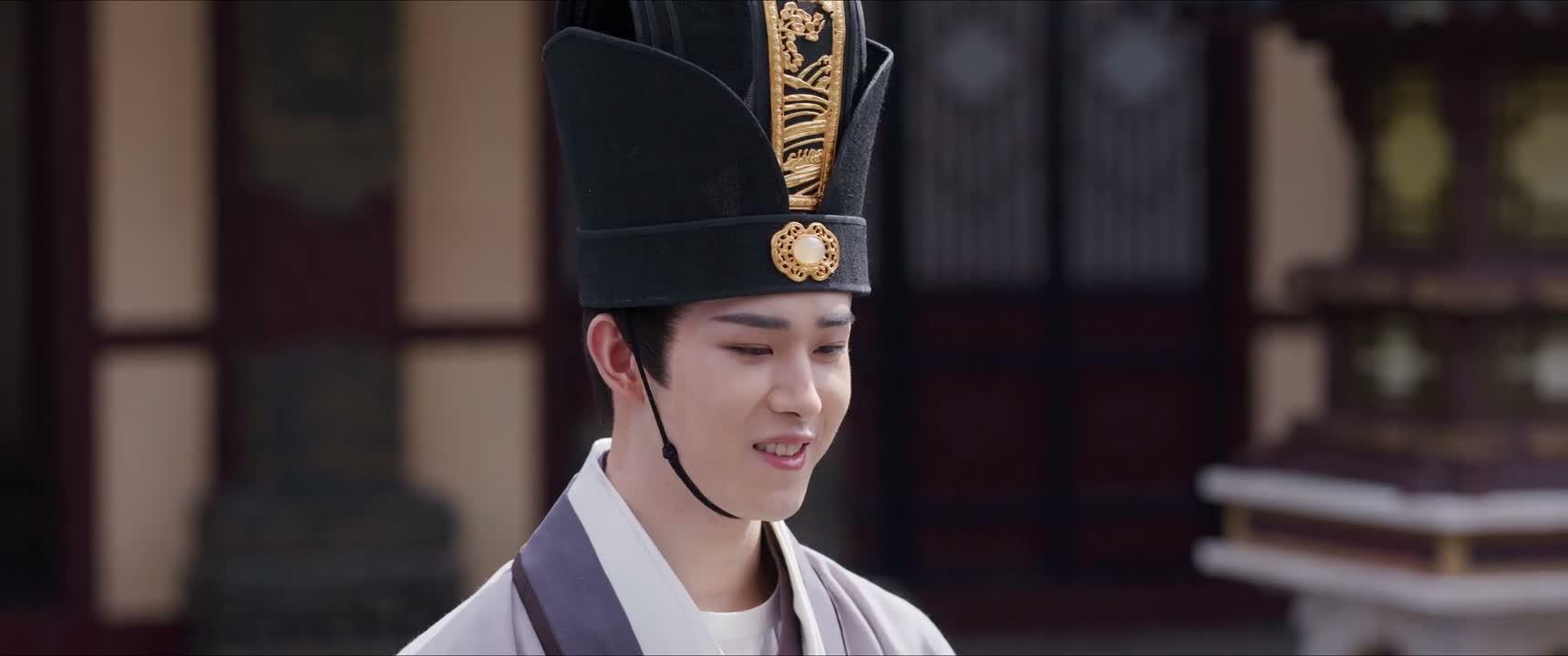
“Don't you have anything to say about this?”
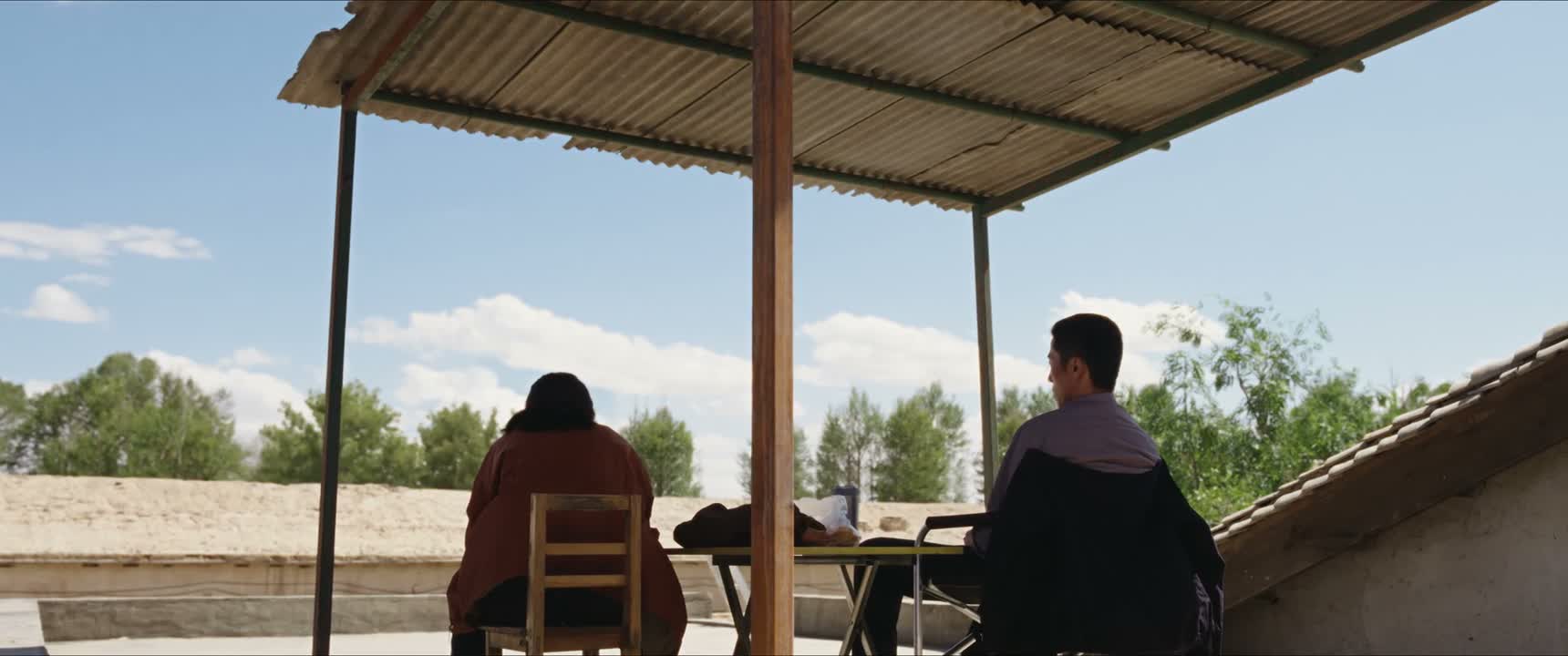
“Don't you have anything to ask me?”