MC
MandarinClips Cinema Corpus
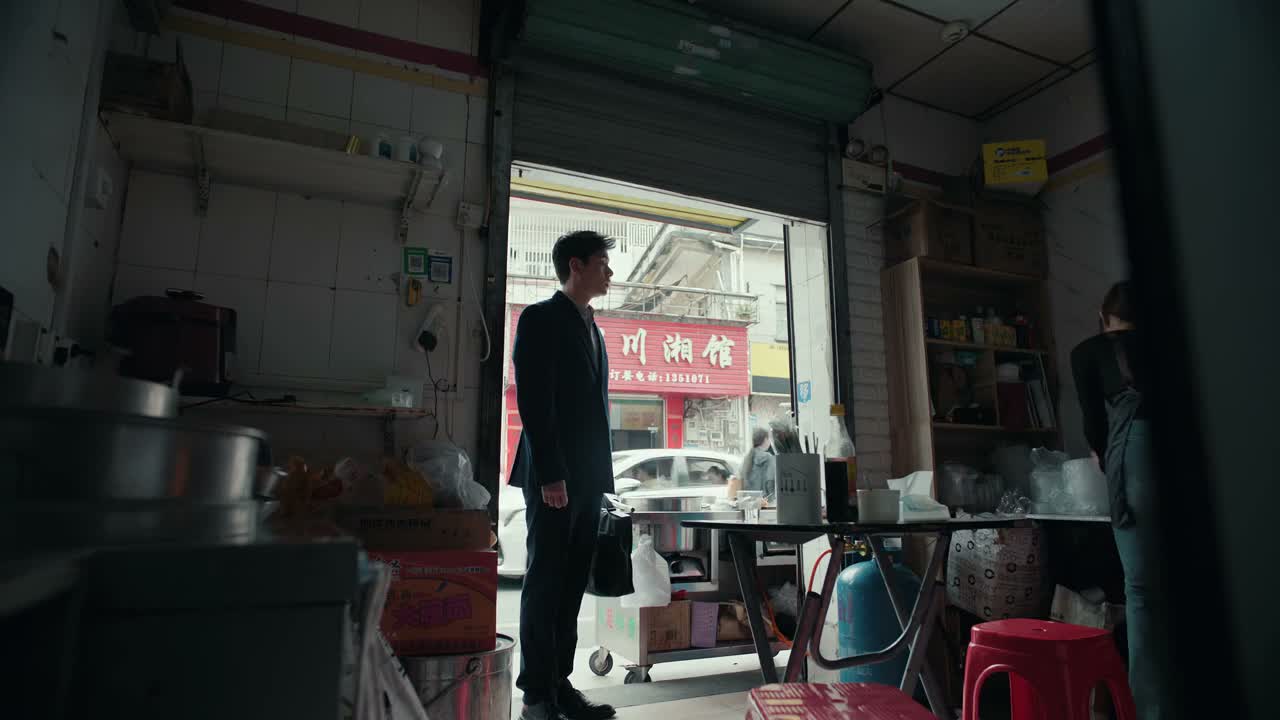
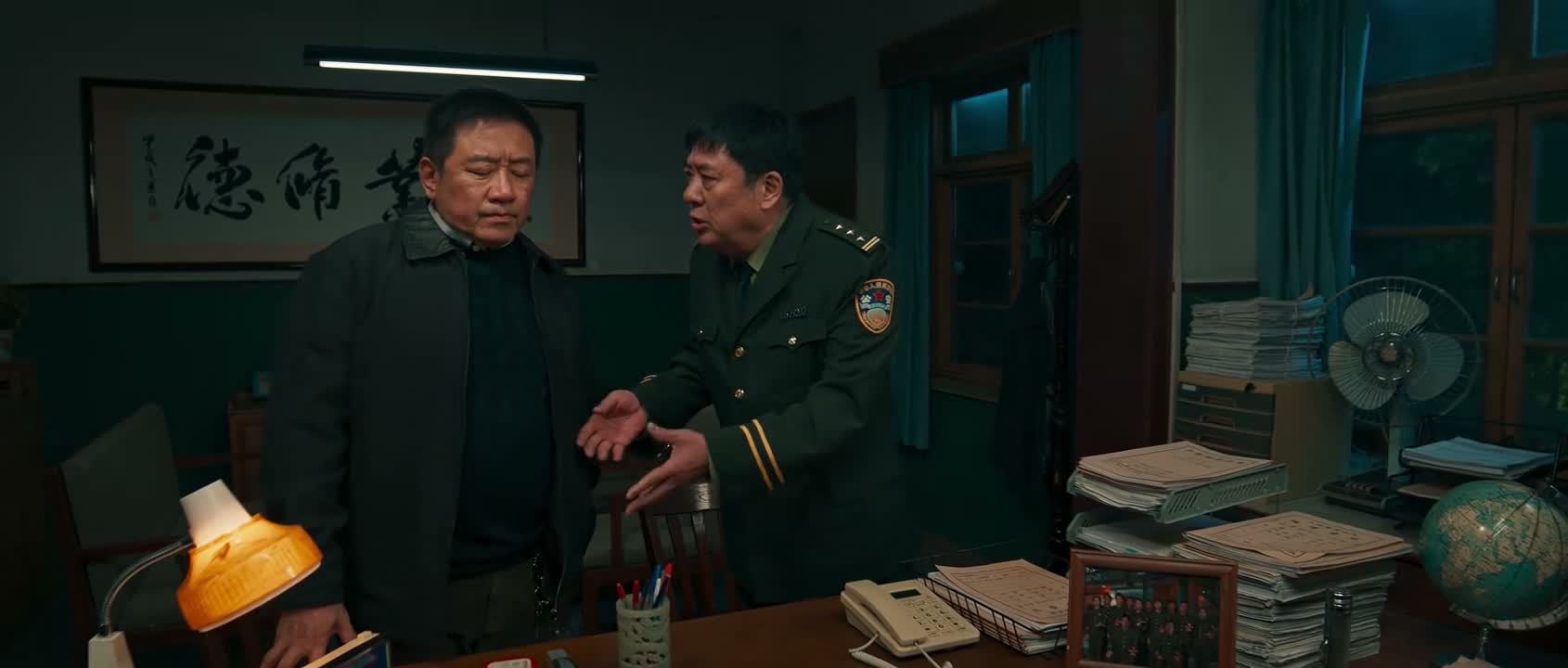
《Echoes of a Thousand Moons》 S1·E29 (26:21) HSK 5
hái néng zěn me guò ya

还能怎么过呀

“How else?”

《Echoes of a Thousand Moons》 S1·E29
TIMECODE: 26:21 · 1080P MASTER AUDIO

THE DIALOGUE REEL

1+1+1 SPOKEN CONTINUITY
[-1] PREVIOUS TURN huì zěn me guò rì zi ya

会怎么过日子呀

“in Shanghai?”

hái néng zěn me guò ya CURRENT FOCUS

还能怎么过 呀

“How else?”

[+1] FOLLOW-UP TURN xiàng xún cháng rén jiā yī yàng

像寻常人家一样

“Like an ordinary family.”

Subtitles synced to millisecond timecode Browse Show Clips →
Scene: Family & Home
Function: RHETORICAL QUESTIONING
Tone: TEASING
Emotion: CALMNESS
WHAT THEY REALLY MEAN (PRAGMATIC SUBTEXT)
“It is completely normal, just like everyone else lives.”
💡 Cultural Insight: Guo Rizi (Everyday Domestic Life)

In Chinese culture, 'living life' implies practical, humble domesticity, valuing steady routine over grand romance.

INTENT TAGS: #downplaying #rhetorical #domesticity #reassurance
🧩

LEARNING CHUNKS & PARTICLES

2 CHUNKS · 1 PARTICLES
还能怎么 SPOKEN CHUNK

how else could it be

Used rhetorically to indicate there is only one obvious or standard possibility.

过日子 SPOKEN CHUNK

to live daily life; to run a household

Commonly refers to managing everyday domestic life, often with a nuance of frugality and routine.

Modal Particle「呀」 (ya) CHANGE OF STATE

Softens the rhetorical tone to sound warmer, intimate, and less confrontational.

🏮

VOCABULARY & EXPRESSIONS

1 EXPR · 0 GRAMMAR
CROSS-CINEMA CORPUS BOARD · PARALLEL SCENES

Parallel Spoken Cinema Scenes (语义近邻切片)

EXPLORE BY SEMANTIC SIMILARITY
《Echoes of a Thousand Moons》 S1·E29 (26:21) · Authentic Cinema Dialogue Corpus