MC
MandarinClips Cinema Corpus
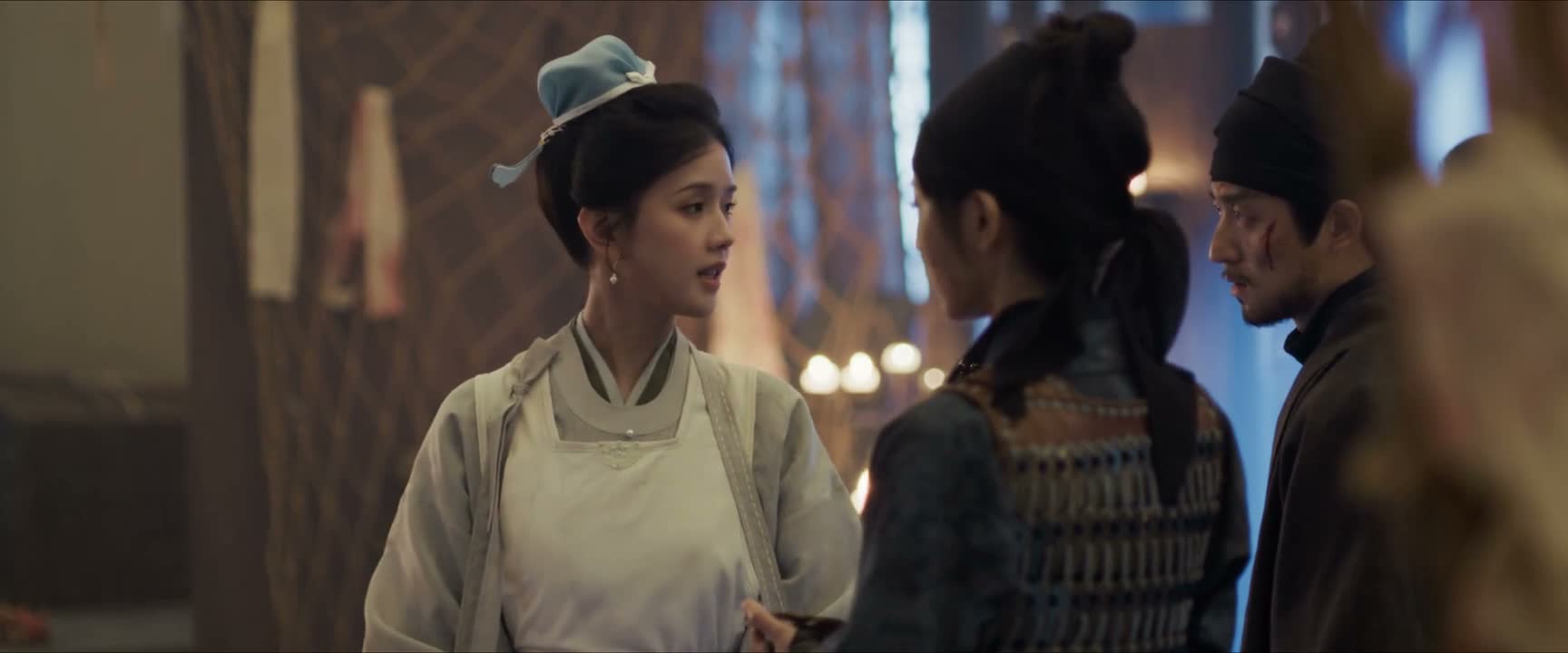
《Echoes of a Thousand Moons》 S1·E29 (25:47) HSK 6
nǐ gàn má zì jǐ xià zì jǐ ne

你干吗自己吓自己呢

“Why are you scaring yourself?”

《Echoes of a Thousand Moons》 S1·E29
TIMECODE: 25:47 · 1080P MASTER AUDIO

THE DIALOGUE REEL

1+1+1 SPOKEN CONTINUITY
[-1] PREVIOUS TURN nǐ fēi děi yào zhè me xiǎng zhè bú shì zuān niú jiǎo jiān ma

“If you insist on thinking like this, aren't you just splitting hairs?”

nǐ gàn má zì jǐ xià zì jǐ ne CURRENT FOCUS

你干吗 自己吓自己 呢

“Why are you scaring yourself?”

[+1] FOLLOW-UP TURN fán shì zán men bù dōu dé wǎng kuān le xiǎng nǐ shuō shì bú shì

凡事咱们不都得往宽了想 你说是不是

“We have to look on the bright side. Don't you agree?”

Subtitles synced to millisecond timecode Browse Show Clips →
Scene: Family & Home
Function: COMFORTING
Tone: REASSURING
Emotion: CONCERN
WHAT THEY REALLY MEAN (PRAGMATIC SUBTEXT)
“Calm down, nothing bad is going to happen.”
💡 Cultural Insight: Reassurance Through Common Sense

In close relationships, pointing out that someone is 'scaring themselves' serves as an intimate gesture of support to ground the person back in reality.

INTENT TAGS: #reassurance #comfort #persuasion #grounding
🧩

LEARNING CHUNKS & PARTICLES

2 CHUNKS · 1 PARTICLES
干吗 SPOKEN CHUNK

why; what for

A colloquial alternative to '为什么' carrying a mild undertone of questioning necessity or mild disapproval.

自己吓自己 SPOKEN CHUNK

to scare oneself; to create unnecessary panic

Set phrase commonly used to comfort someone worrying over hypothetical dangers.

Modal Particle「呢」 (ne) CHANGE OF STATE

Softens the rhetorical question, lending a concerned and persuasive tone rather than an aggressive interrogation.
🏮

VOCABULARY & EXPRESSIONS

2 EXPR · 0 GRAMMAR
CROSS-CINEMA CORPUS BOARD · PARALLEL SCENES

Parallel Spoken Cinema Scenes (语义近邻切片)

EXPLORE BY SEMANTIC SIMILARITY
《Echoes of a Thousand Moons》 S1·E29 (25:47) · Authentic Cinema Dialogue Corpus