你说这屋里都死过人了 那以后谁来住啊
“Someone died in this room! Who will be willing to stay here now?”
THE DIALOGUE REEL
“My homestay just opened a few days ago, and now this happens!”
你说这 屋里都 死过人了 那以后 谁来住啊
“Someone died in this room! Who will be willing to stay here now?”
死者周连勤
“How much do you know about the deceased, Zhou Lianqin?”
“My business is completely destroyed now that this place is tainted by a corpse!”
In Chinese culture, houses where unnatural deaths occur are strongly feared as inauspicious or cursed, causing severe devaluation and tenant avoidance.
LEARNING CHUNKS & PARTICLES
someone has died here before
Carries a heavy social stigma when used to describe a real estate property or hotel room.
who would ever come to stay
A rhetorical question emphasizing that absolutely no customer would be willing to patronize the place.
Intensifies the rhetorical complaint and conveys emotional desperation.
VOCABULARY & EXPRESSIONS
Parallel Spoken Cinema Scenes (语义近邻切片)

“This place is haunted.”

“How are you managing this room? Not even a cup of water.”

“There's still a man lying in the room!”
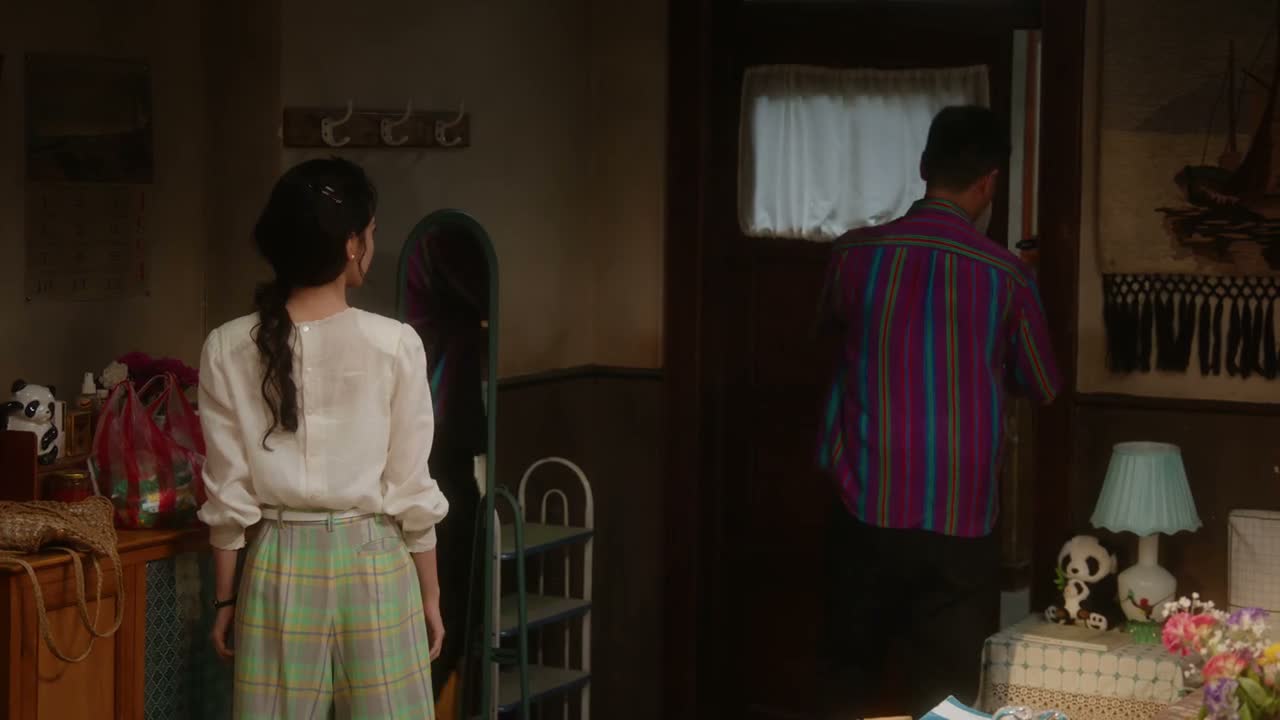
“You can't stay here anymore.”

“all kinds live in this courtyard.”

“You can live here alone. Let's see if you can stay until next month”