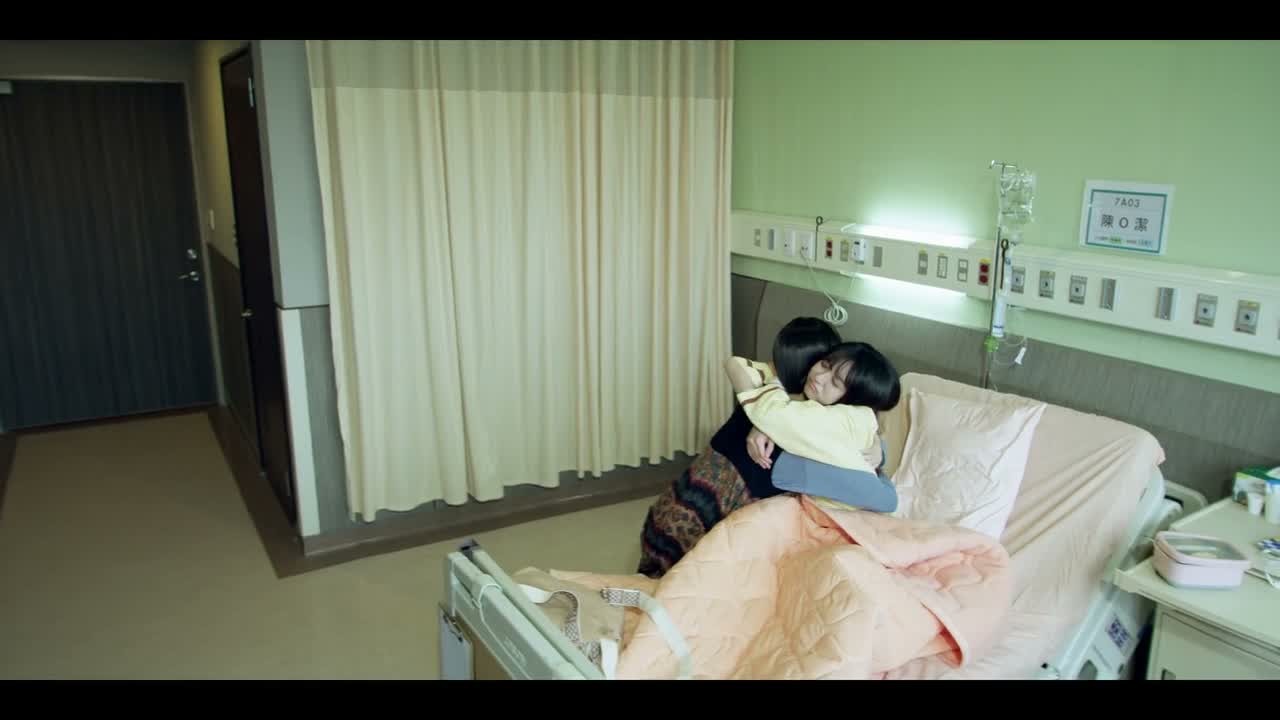
《Vanished Name》 S1·E25 (31:20)
HSK 1
duì bù qǐ
对不起
“I'm sorry.”
《Vanished Name》
S1·E25
TIMECODE: 31:20
·
1080P MASTER AUDIO
THE DIALOGUE REEL
[-1] PREVIOUS TURN
wǒ men dōu bù gǎn tí
我们都不敢提
“Actually, we've known it and just didn't dare to bring it up.”
duì bù qǐ
CURRENT FOCUS
对不起
“I'm sorry.”
[+1] FOLLOW-UP TURN
wǒ bù gǎn gào sù nǐ men wǒ bú shì xiǎng piàn nǐ men de
“I didn't dare tell you. I didn't mean to deceive you.”
Subtitles synced to millisecond timecode
Browse Show Clips →
Scene:
Crisis & Conflict
Function:
APOLOGIZING
Tone:
PENITENT
Emotion:
GUILT
WHAT THEY REALLY MEAN (PRAGMATIC SUBTEXT)
Direct spoken expression in this communicative setting.
💡 Cultural Insight: Direct Apologies in Close Ties
Directly uttering an explicit apology often signifies serious wrongdoing or deep vulnerability among close family or friends, where implicit repairs are usually preferred.
INTENT TAGS:
#apology
#remorse
#submission
#admission_of_guilt
🧩
1 CHUNKS · 0 PARTICLES
LEARNING CHUNKS & PARTICLES
对不起
SPOKEN CHUNK
I am sorry; excuse me
The standard and most direct expression for an apology in Chinese.
🏮
1 EXPR · 0 GRAMMAR
VOCABULARY & EXPRESSIONS
COLLOQUIAL EXPRESSIONS:
CROSS-CINEMA CORPUS BOARD · PARALLEL SCENES
EXPLORE BY SEMANTIC SIMILARITY
Parallel Spoken Cinema Scenes (语义近邻切片)

《Vanished Name》 S1·E25 (31:20) · Authentic Cinema Dialogue Corpus