看你嘛 想学啥呢 我跟你学啥
“It depends on what you want to learn. What would I learn from you?”
THE DIALOGUE REEL
“Is this a lesson about drums or life?”
看你 嘛 想学啥呢 我跟你学啥
“It depends on what you want to learn. What would I learn from you?”
开玩笑 开玩笑 趴下 趴下
“Just kidding. Lie down.”
“It's up to you—I'm just matching your vibe, not trying to lecture you.”
In close peer relationships, teasing someone about whether they are 'teaching life lessons' is a common form of playful boundary-testing that is typically deflected with humor.
LEARNING CHUNKS & PARTICLES
It depends on you / Up to you
A colloquial way to throw decision-making or conversational initiative back to the other person.
What do you want to learn?
A casual question using regional or colloquial phrasing to inquire about interests.
Softens the assertion and conveys that the point is obvious or up to the listener.
Adds a casual, lingering rhythm to the rhetorical question.
VOCABULARY & EXPRESSIONS
Parallel Spoken Cinema Scenes (语义近邻切片)
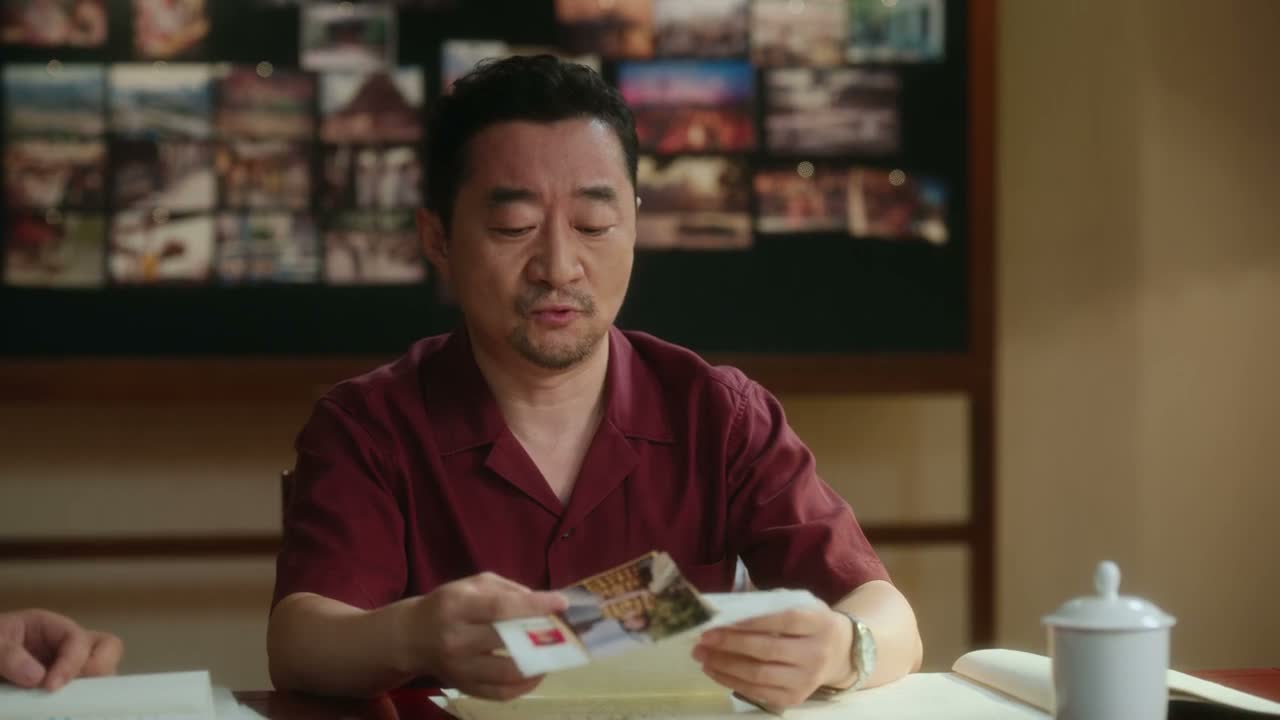
“No wonder I haven't seen them.”

“Let me see. I'm doing my homework. Don't bother me.”

“What can she learn from you?”

“What are you staring at? Look at your aunt.”

“See? What did I tell you?”

“What for? You wouldn't understand it.”