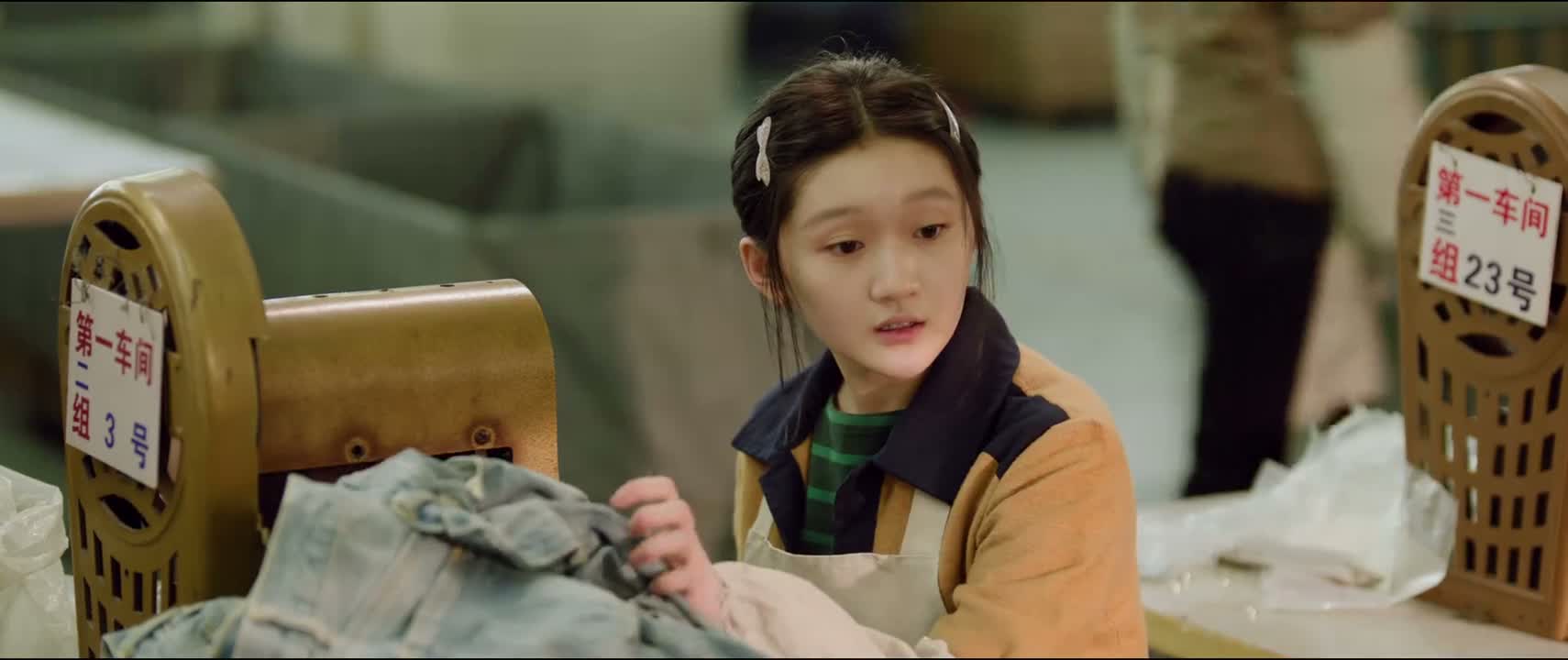
《Love Story in the 1970s》 S1·E26 (29:59)
HSK 3
chī fàn le méi yǒu wǒ bù è
吃饭了没有 我不饿
“Have you eaten? I'm not hungry.”
《Love Story in the 1970s》
S1·E26
TIMECODE: 29:59
·
1080P MASTER AUDIO
THE DIALOGUE REEL
[-1] PREVIOUS TURN
huí lái la
回来啦
“You're home.”
chī fàn le méi yǒu wǒ bù è
CURRENT FOCUS
吃饭了没有 我不饿
“Have you eaten? I'm not hungry.”
[+1] FOLLOW-UP TURN
yè fēng ne
叶峰呢
“Where's Ye Feng?”
Subtitles synced to millisecond timecode
Browse Show Clips →
Scene:
Family & Home
Function:
INQUIRING AND DECLINING
Tone:
CASUAL
WHAT THEY REALLY MEAN (PRAGMATIC SUBTEXT)
Direct spoken expression in this communicative setting.
💡 Cultural Insight: Eating as Care and Greeting
Asking whether someone has eaten upon returning home serves as a standard Chinese expression of affection, hospitality, and daily concern.
INTENT TAGS:
#greeting
#inquiry
#declining
#domestic_routine
🧩
2 CHUNKS · 1 PARTICLES
LEARNING CHUNKS & PARTICLES
吃饭了没有
SPOKEN CHUNK
Have you eaten yet?
A quintessential spoken Chinese greeting expressing routine domestic care.
我不饿
SPOKEN CHUNK
I'm not hungry
A straightforward way to decline an offer of food in casual contexts.
Modal Particle「了」 (le)
CHANGE OF STATE
Indicates completion of an action or state change in a question format.
🏮
2 EXPR · 1 GRAMMAR
VOCABULARY & EXPRESSIONS
COLLOQUIAL EXPRESSIONS:
GRAMMAR BLUEPRINTS:
CROSS-CINEMA CORPUS BOARD · PARALLEL SCENES
EXPLORE BY SEMANTIC SIMILARITY
Parallel Spoken Cinema Scenes (语义近邻切片)
《Love Story in the 1970s》 S1·E26 (29:59) · Authentic Cinema Dialogue Corpus