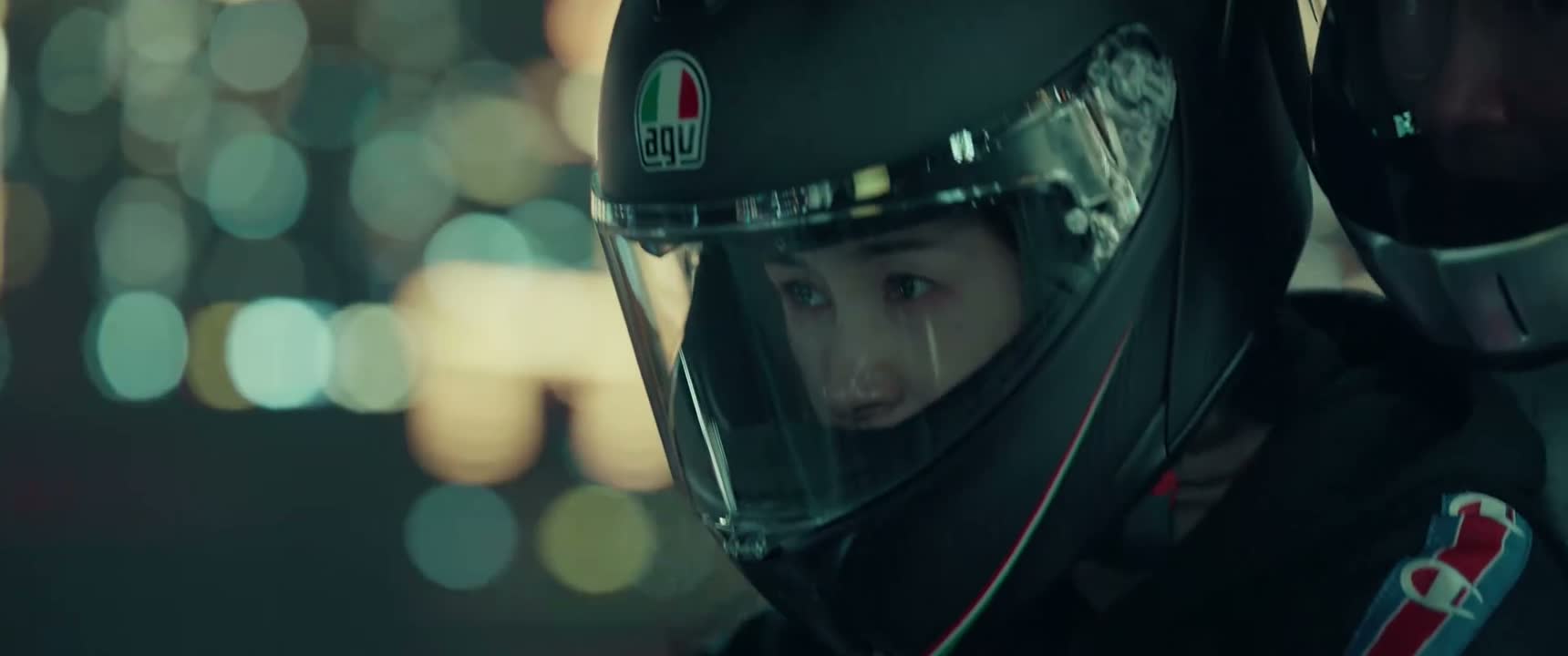
《Love Story in the 1970s》 S1·E26 (40:58)
HSK 6
jiù xiàng dāng chū nǐ xuǎn zé lí kāi tā men nà yàng
就像当初你选择离开他们那样
“Try to accept them”
《Love Story in the 1970s》
S1·E26
TIMECODE: 40:58
·
1080P MASTER AUDIO
THE DIALOGUE REEL
[-1] PREVIOUS TURN
bù zài yǒng gǎn yī cì
不再勇敢一次
“be brave one more time?”
jiù xiàng dāng chū nǐ xuǎn zé lí kāi tā men nà yàng
CURRENT FOCUS
就像 当初 你 选择离开 他们那样
“Try to accept them”
[+1] FOLLOW-UP TURN
qù jiē shòu tā men
去接受他们
“as when you chose to leave them.”
Subtitles synced to millisecond timecode
Browse Show Clips →
Scene:
Crisis & Conflict
Function:
URGING RECONCILIATION
Tone:
CHALLENGING
Emotion:
EARNESTNESS
WHAT THEY REALLY MEAN (PRAGMATIC SUBTEXT)
“You were bold enough to walk away; now be brave enough to face them and make peace.”
💡 Cultural Insight: Confronting Relational Rupture
Addressing family or relational estrangement directly requires referencing past painful decisions to persuade someone to reconnect.
INTENT TAGS:
#analogy
#persuasion
#challenging
#confrontation
🧩
3 CHUNKS · 0 PARTICLES
LEARNING CHUNKS & PARTICLES
就像……那样
SPOKEN CHUNK
just like... / in the same way as...
A comparative sentence frame used to draw an analogy between two actions or situations.
当初
SPOKEN CHUNK
back then / at that time
Refers to a critical historical moment or beginning in the past, often carrying reflective or regretful nuance.
选择离开
SPOKEN CHUNK
choose to leave / decide to walk away
Emphasizes personal agency in making a difficult or consequential departure.
🏮
3 EXPR · 0 GRAMMAR
VOCABULARY & EXPRESSIONS
COLLOQUIAL EXPRESSIONS:
CROSS-CINEMA CORPUS BOARD · PARALLEL SCENES
EXPLORE BY SEMANTIC SIMILARITY
Parallel Spoken Cinema Scenes (语义近邻切片)
《Love Story in the 1970s》 S1·E26 (40:58) · Authentic Cinema Dialogue Corpus