《Love Story in the 1970s》 S1·E26 (37:55)
HSK 3
nà mā yě huān yíng ma
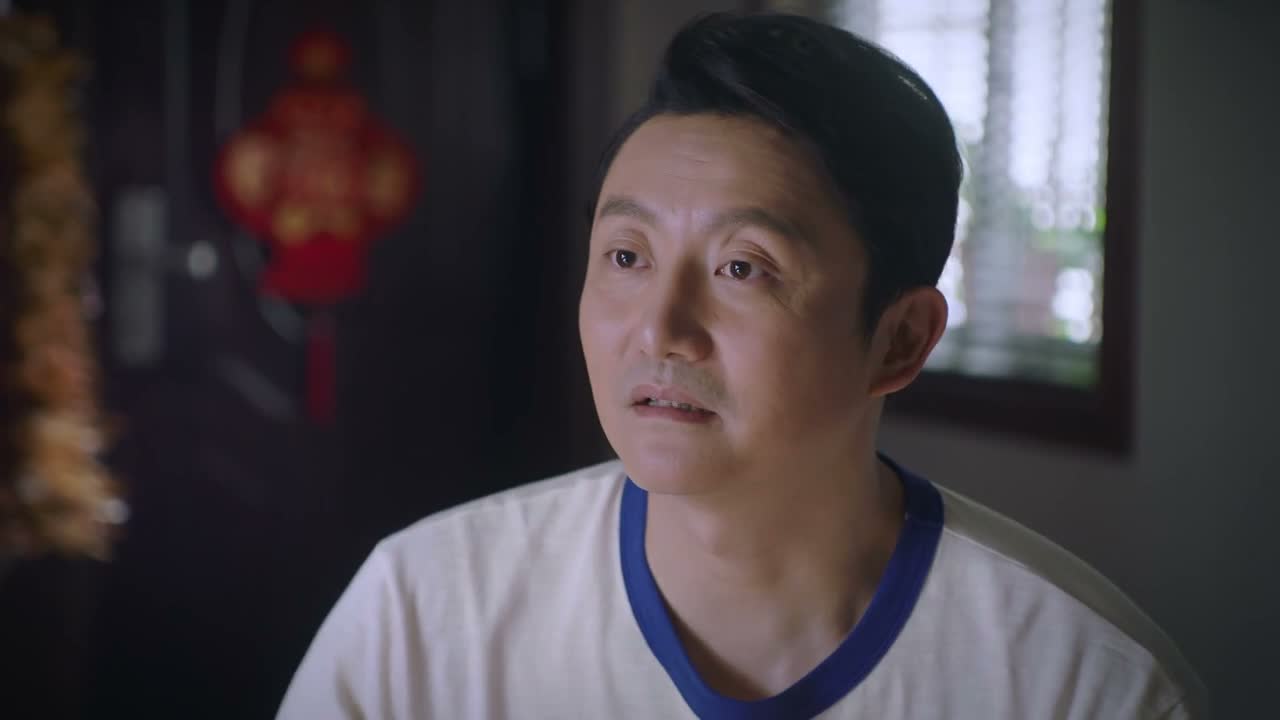
那 妈也欢迎吗
“Would Mom welcome us too?”
《Love Story in the 1970s》
S1·E26
TIMECODE: 37:55
·
1080P MASTER AUDIO
THE DIALOGUE REEL
[-1] PREVIOUS TURN
wǒ men suí shí huān yíng
我们随时欢迎
“You're always welcome.”
nà mā yě huān yíng ma
CURRENT FOCUS
那 妈也 欢迎吗
“Would Mom welcome us too?”
[+1] FOLLOW-UP TURN
nǐ mā zhè ge rén nà
你妈这个人呐
“Your mom, well...”
Subtitles synced to millisecond timecode
Browse Show Clips →
Scene:
Family & Home
Function:
PROBING BOUNDARY
Tone:
PROBING
Emotion:
HESITATION
WHAT THEY REALLY MEAN (PRAGMATIC SUBTEXT)
“You say anyone is welcome, but does that truly include my mother?”
💡 Cultural Insight: In-Law Dynamics (Po-Xi Guanxi)
Relationships involving mothers and in-laws often carry unspoken tension in Chinese culture, requiring cautious probing before arranging visits.
INTENT TAGS:
#probing
#boundary_testing
#tentative_questioning
🧩
1 CHUNKS · 1 PARTICLES
LEARNING CHUNKS & PARTICLES
也欢迎吗
SPOKEN CHUNK
is ... also welcome?
Used to probe the boundaries of hospitality or an invitation regarding an additional person.
Modal Particle「吗」 (ma)
CHANGE OF STATE
Marks a direct yes-no question to confirm the other person's true attitude.
🏮
1 EXPR · 0 GRAMMAR
VOCABULARY & EXPRESSIONS
COLLOQUIAL EXPRESSIONS:
CROSS-CINEMA CORPUS BOARD · PARALLEL SCENES
EXPLORE BY SEMANTIC SIMILARITY
Parallel Spoken Cinema Scenes (语义近邻切片)
《Love Story in the 1970s》 S1·E26 (37:55) · Authentic Cinema Dialogue Corpus