你在这儿 写小学作文呢
“Are you writing a primary school composition?”
THE DIALOGUE REEL
你的理想是什么
“What is your dream?”
你 在这 儿 写小学作文 呢
“Are you writing a primary school composition?”
“Then let me ask something else. Forget it. No need to change. That one is fine.”
“What kind of childish question is that? We are adults, not kids writing school essays.”
In Chinese culture, asking 'What is your ideal/dream?' is the quintessential prompt of elementary school composition, making it a common punchline for cliché prompts.
LEARNING CHUNKS & PARTICLES
primary school essay
Colloquially used as a metaphor for naïve, cliché, or overly simplistic writing or questioning.
Softens the rhetorical question into a lighthearted, playful, and observant tease.
VOCABULARY & EXPRESSIONS
Parallel Spoken Cinema Scenes (语义近邻切片)

“What have you done? Your presence here is the trouble. Wait, I... No trouble if you weren't here. Disappear! Just disappear!”
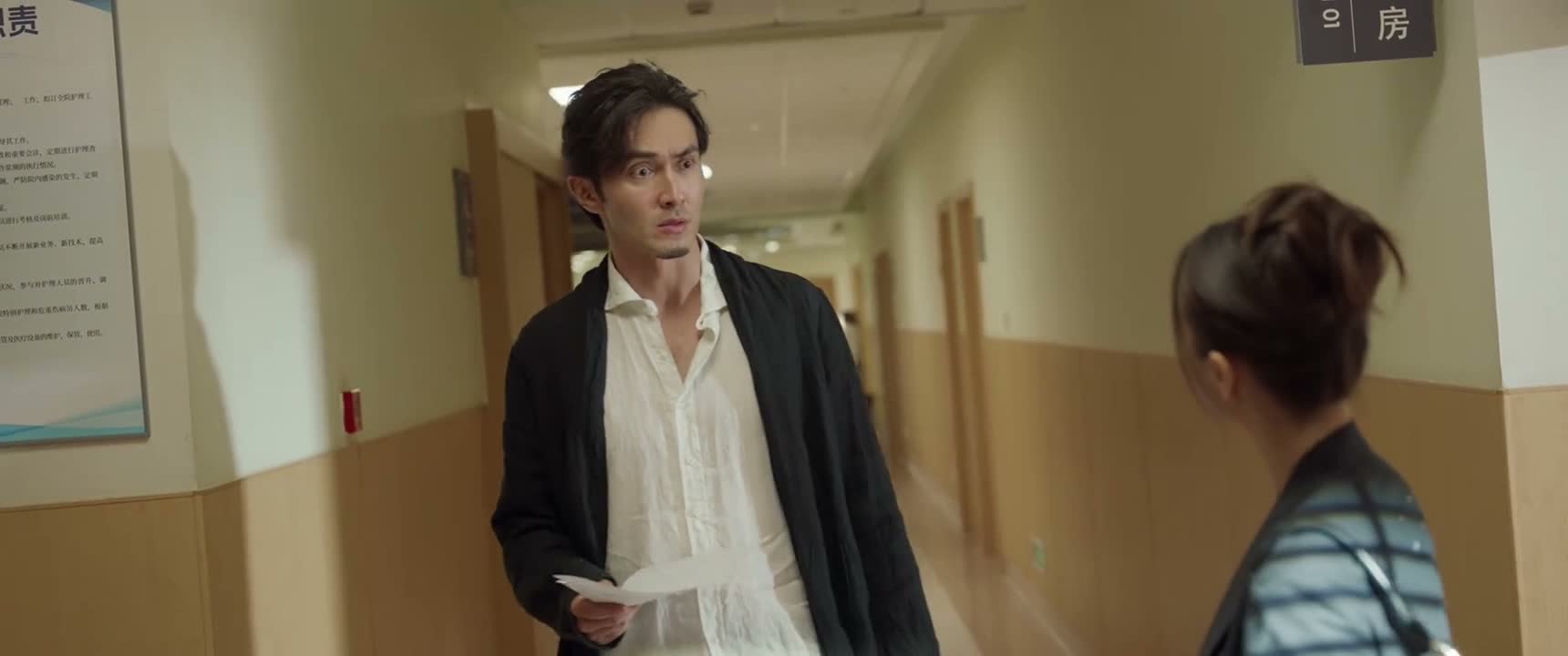
“You... Why are you here?”

“Wh-Why... Why are you here?”

“You... You think I'm joking with you?”
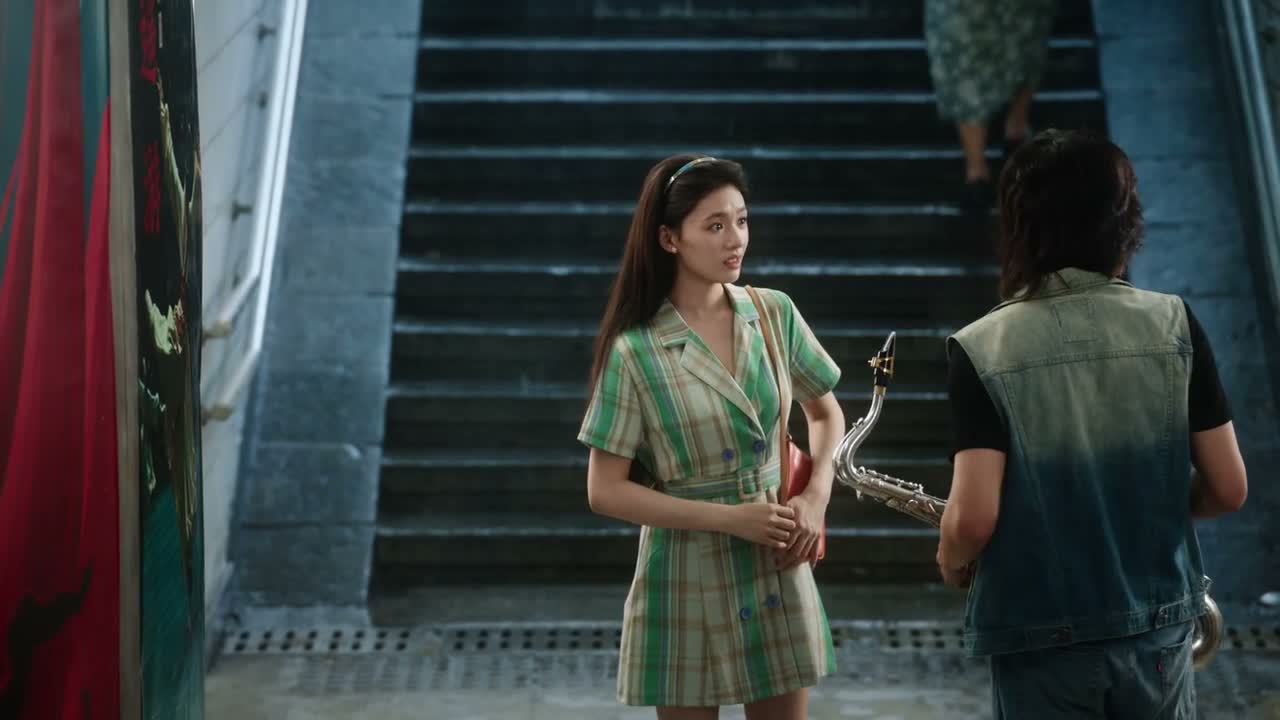
“What are you doing here?”

“What are you doing here?”