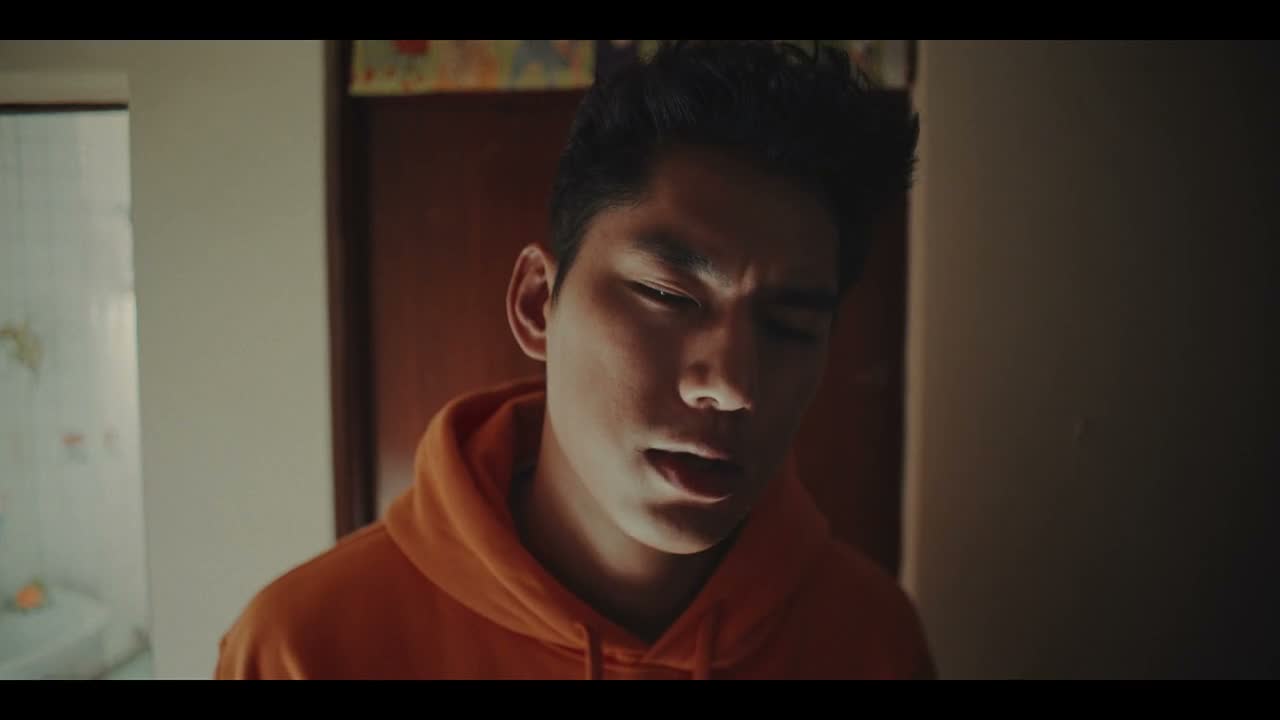
我现在不想说话 你别在这儿好不好
“I don't want to talk. Just leave me alone.”
THE DIALOGUE REEL
那你有心情干什么
“Then what do you want?”
我现在 不想说话 你 别在这儿 好不好
“I don't want to talk. Just leave me alone.”
你让我走是不是
“Want me to leave?”
“Leave me alone before I completely lose my temper.”
In close Chinese relationships, explicitly asking someone to leave is a strong sign of emotional exhaustion, often signaling that continued persistence will lead to an explosive argument.
LEARNING CHUNKS & PARTICLES
not in the mood to talk
A common way to signal emotional exhaustion or withdrawal during a conflict.
okay? / please?
Added at the end of an imperative to soften a demand or plead urgently.
VOCABULARY & EXPRESSIONS
Parallel Spoken Cinema Scenes (语义近邻切片)
“- Why aren't you answering? - I'm stuck.”

“I know I'm not really in a position to speak today.”

“I don't want to talk to you anymore.”

“If you don't want to chat with me, don't force it.”