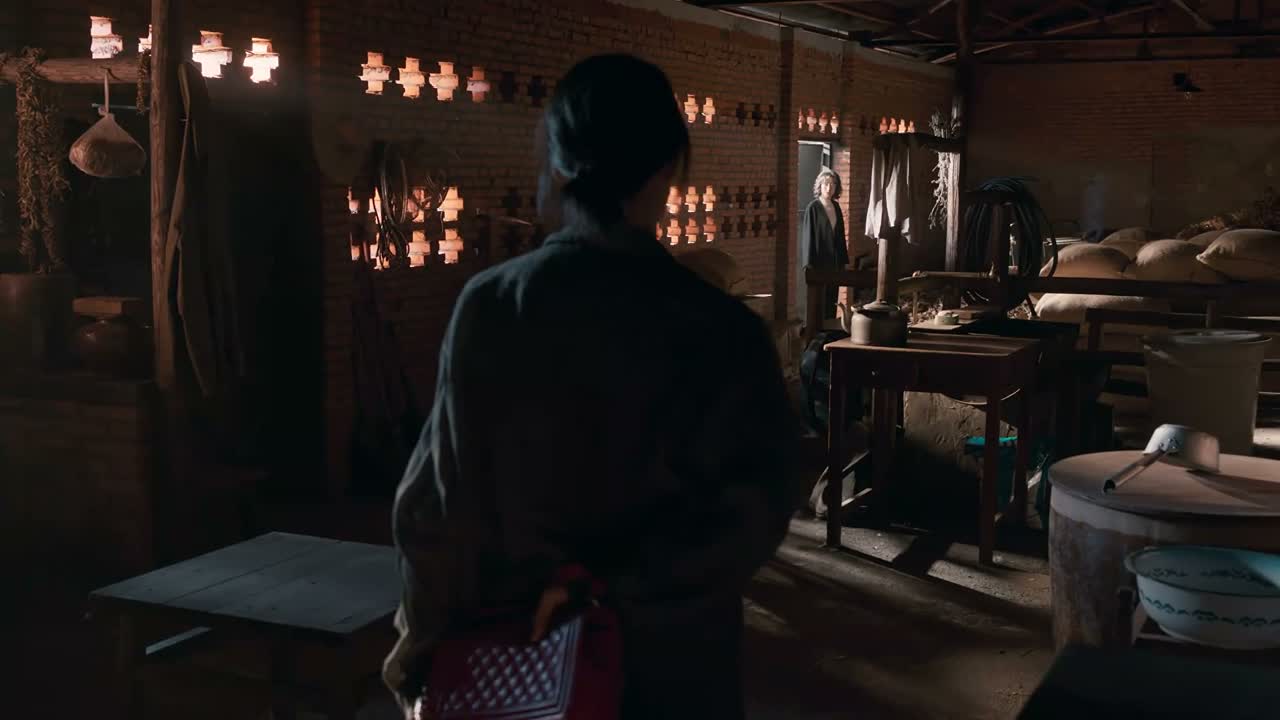
《Ashes to Crown》 S1·E14 (16:52)
HSK 4
jiū jìng hé shí cái néng tíng xiē a ?
究竟何时才能停歇啊?
“He asked when it would finally end.”
《Ashes to Crown》
S1·E14
TIMECODE: 16:52
·
1080P MASTER AUDIO
THE DIALOGUE REEL
[-1] PREVIOUS TURN
shì shuō zhàn zhēng tài kǔ le
“of my father were that war is too cruel.”
jiū jìng hé shí cái néng tíng xiē a ?
CURRENT FOCUS
究竟 何时才能停歇 啊?
“He asked when it would finally end.”
[+1] FOLLOW-UP TURN
wǒ ā diē yòng xìng mìng huàn lái zhè chǎng zhàn zhēng de shèng lì
我阿爹用性命换来这场战争的胜利
“My father gave his life for this victory.”
Subtitles synced to millisecond timecode
Browse Show Clips →
Scene:
Crisis & Conflict
Function:
LAMENTING
Tone:
DESPAIRING
Emotion:
GRIEF
WHAT THEY REALLY MEAN (PRAGMATIC SUBTEXT)
“I am so sick and tired of this unending bloodshed.”
💡 Cultural Insight: Compassion for the People (Minsheng)
A deeply rooted Chinese moral value that emphasizes empathy toward ordinary people who bear the ultimate burden of war and dynastic ambitions.
INTENT TAGS:
#lamenting
#weariness
#rhetorical_question
#despair
🧩
2 CHUNKS · 1 PARTICLES
LEARNING CHUNKS & PARTICLES
究竟何时
SPOKEN CHUNK
when on earth; when exactly
A dramatic rhetorical formulation used to intensify a question about timing.
停歇
SPOKEN CHUNK
to stop; to cease; to rest
A somewhat literary verb describing the cessation of continuous actions, noise, or warfare.
Modal Particle「啊」 (a)
CHANGE OF STATE
Intensifies the emotional sigh and deep weariness embedded in the rhetorical question.
🏮
2 EXPR · 0 GRAMMAR
VOCABULARY & EXPRESSIONS
COLLOQUIAL EXPRESSIONS:
CROSS-CINEMA CORPUS BOARD · PARALLEL SCENES
EXPLORE BY SEMANTIC SIMILARITY
Parallel Spoken Cinema Scenes (语义近邻切片)
《Ashes to Crown》 S1·E14 (16:52) · Authentic Cinema Dialogue Corpus