杀死我自己 竟是这样的吗?
“Then, you were to go there and kill me. So, that was the plan?”
THE DIALOGUE REEL
然后去龙岩渊
“Then, you were to go there and kill me.”
杀死我 自己 竟是这样的 吗?
“Then, you were to go there and kill me. So, that was the plan?”
“But that was only the original plan.”
“I never imagined that destroying myself would feel or look like this.”
In Chinese fantasy (Xianxia/Wuxia) genres, protagonists often face moral dilemmas requiring spiritual or physical self-destruction to break curses or fulfill destinies.
LEARNING CHUNKS & PARTICLES
killing myself
A direct and intense verbal phrase describing self-termination or destroying one's own identity.
unexpectedly turns out to be
Used in formal or dramatic speech to highlight an unforeseen reality that defies prior expectations.
Forms a reflective rhetorical question, underscoring the speaker's disbelief.
VOCABULARY & EXPRESSIONS
Parallel Spoken Cinema Scenes (语义近邻切片)
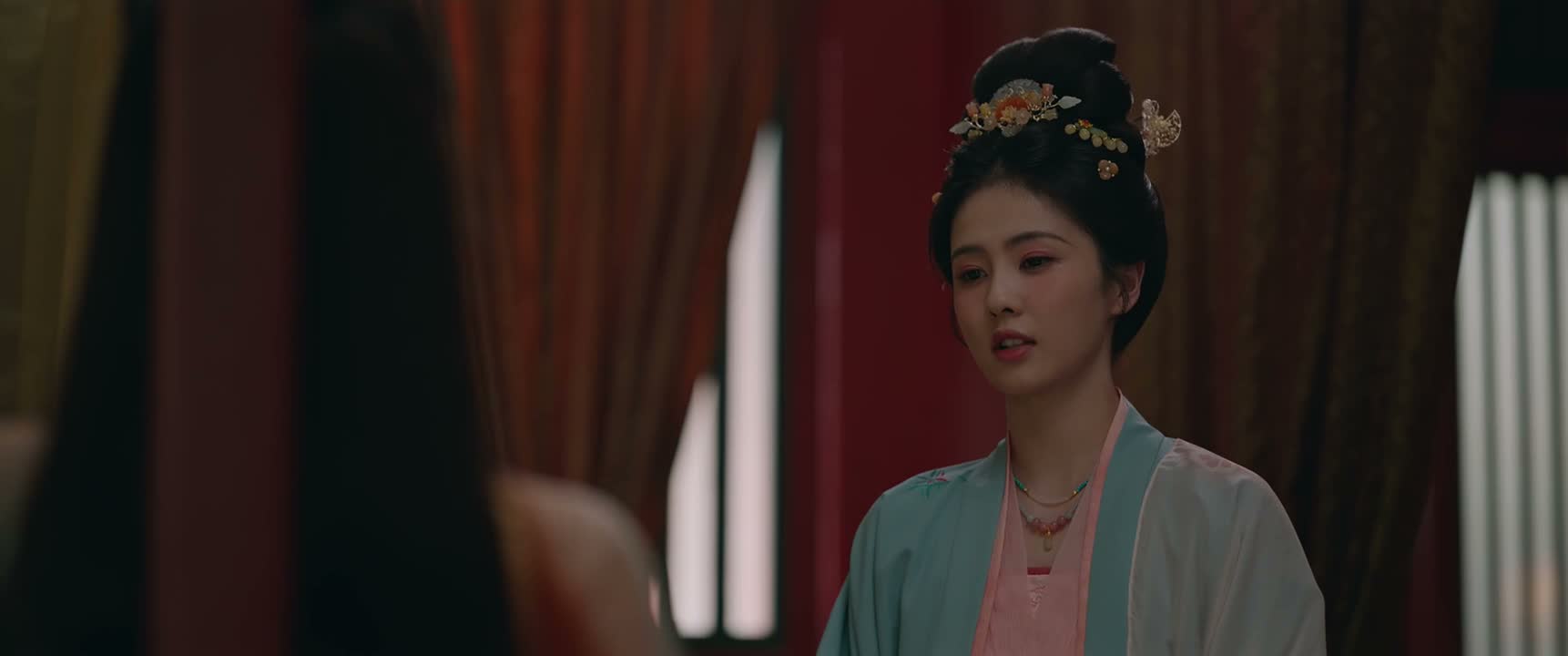
“if I killed you, I couldn't have escaped.”
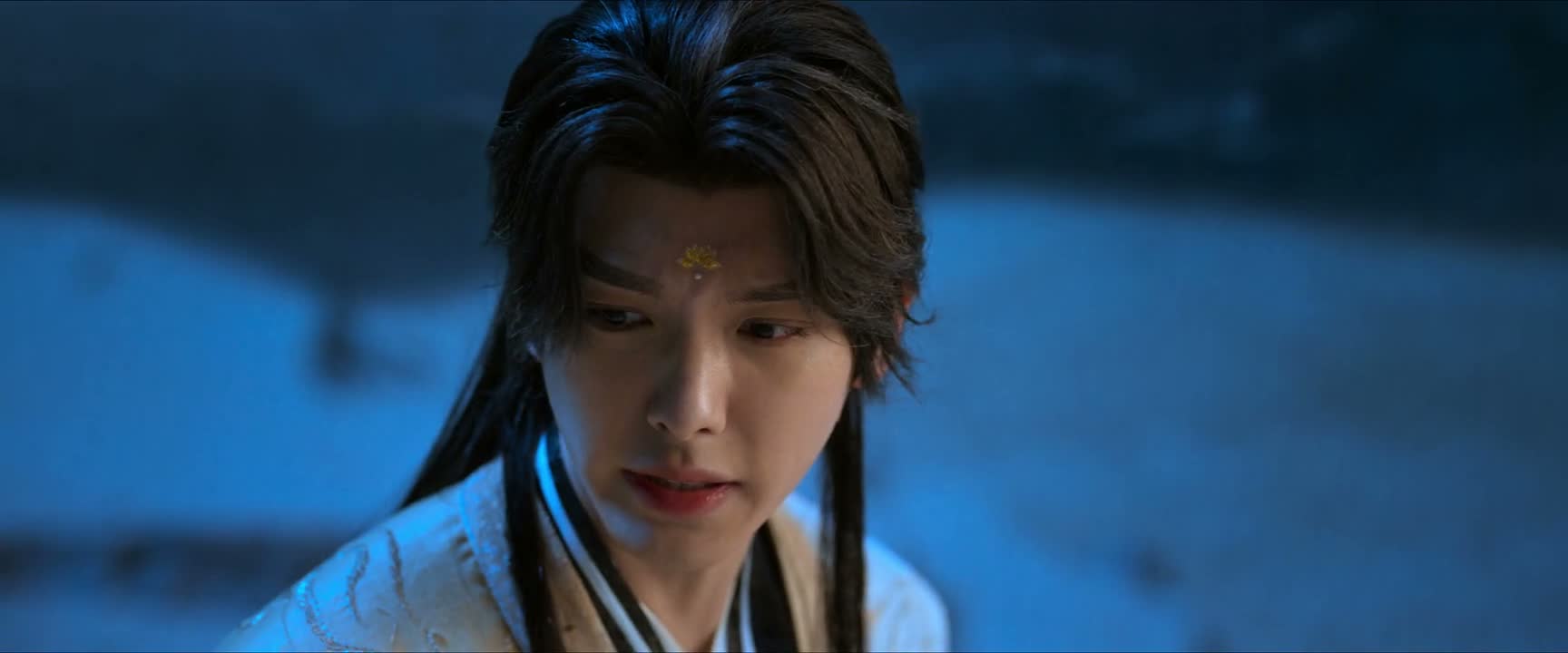
“If I kill him, will you die?”
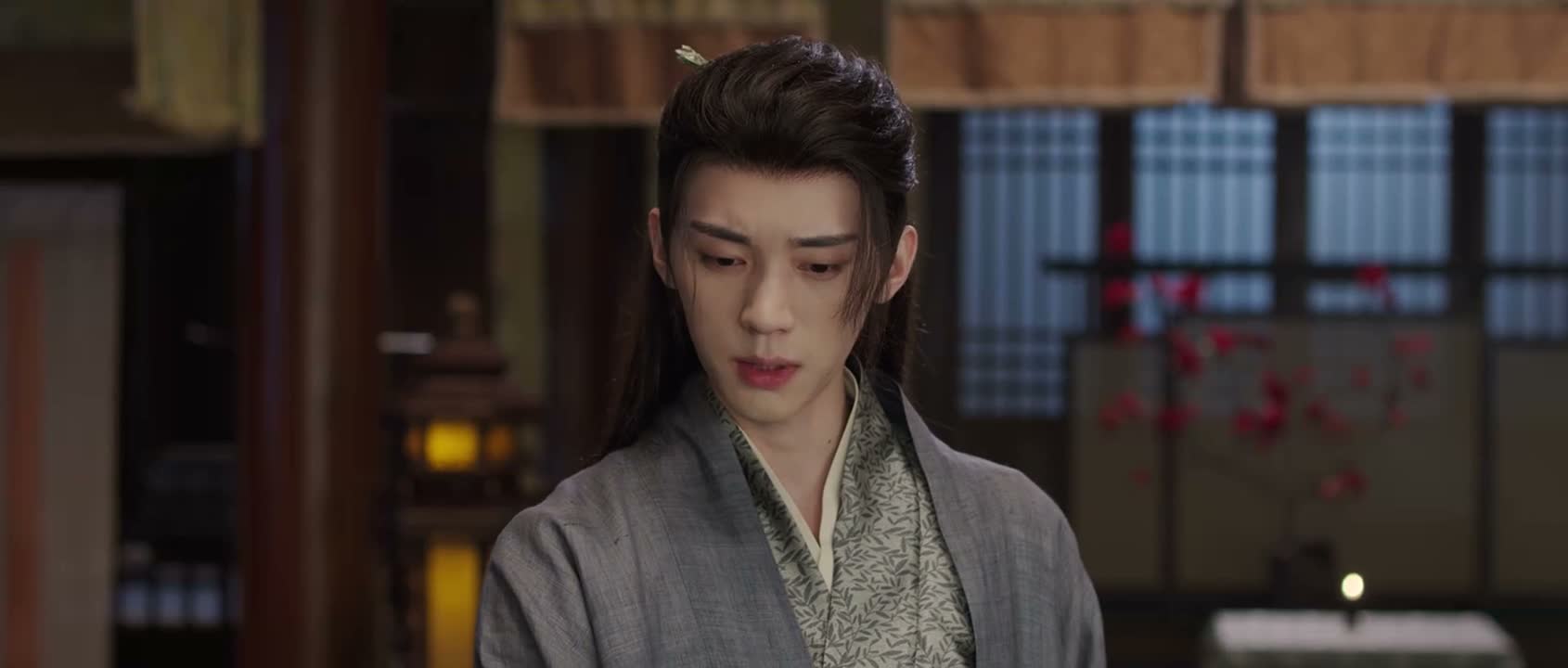
“who knew the corpse slave method.”

“I don't want you to live with the pain of killing.”

“Don't kill me! Don't kill me!”
“Don't kill me!”