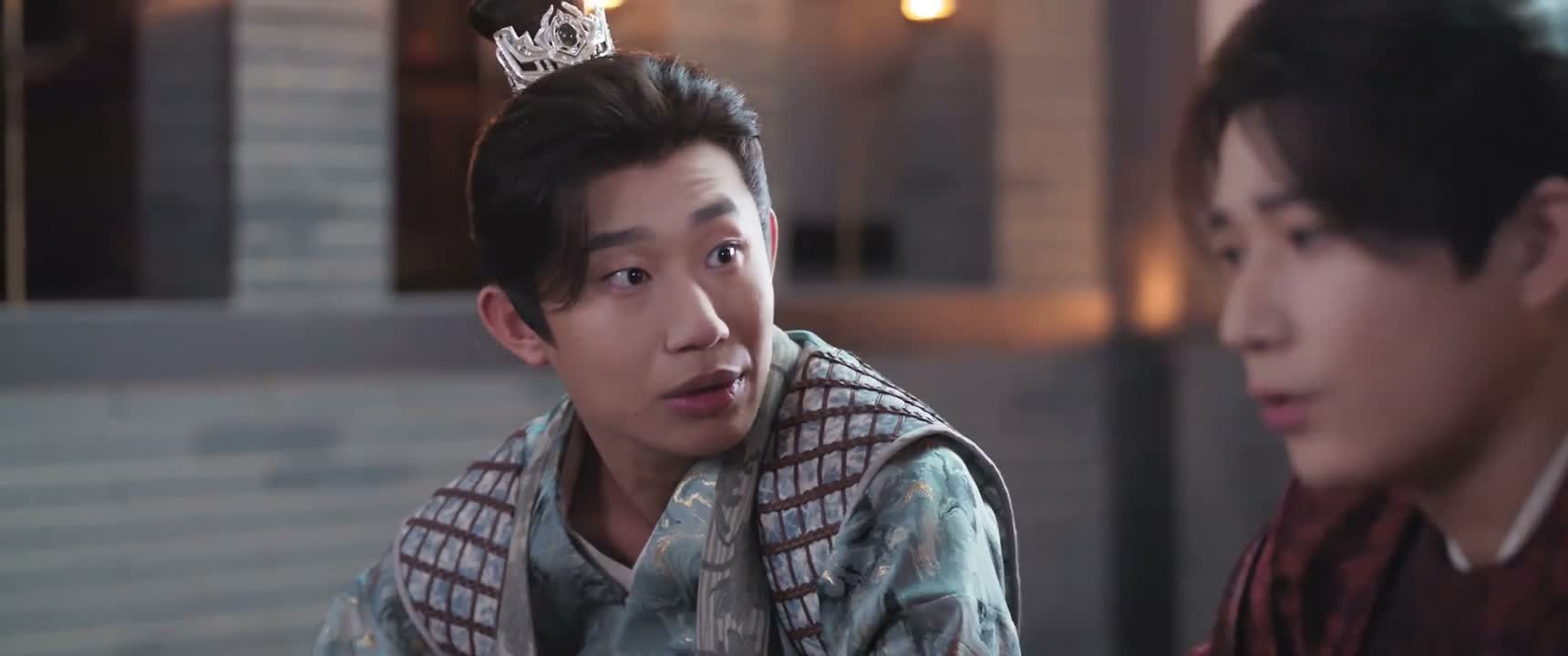
《The Heir》 S1·E20 (02:20)
HSK 7
nǐ duì de qǐ chūn huā gū gū ma
你对得起春花姑姑吗
“Don't you feel guilty towards Aunt Chunhua?”
《The Heir》
S1·E20
TIMECODE: 02:20
·
1080P MASTER AUDIO
THE DIALOGUE REEL
[-1] PREVIOUS TURN
nǐ ná zhe zhè xiē qián lái gōng wài shì
“You used this money to keep a mistress?”
nǐ duì de qǐ chūn huā gū gū ma
CURRENT FOCUS
你 对得起 春花姑姑吗
“Don't you feel guilty towards Aunt Chunhua?”
[+1] FOLLOW-UP TURN
nà shēng qī běn jiù shì wǒ liù fáng de wǒ yòu shì liù fáng de rén
那生漆本就是我六房的 我又是六房的人
“The raw lacquer belongs to our Sixth Branch. I am one of the Sixth Branch, too.”
Subtitles synced to millisecond timecode
Browse Show Clips →
Scene:
Family & Home
Function:
MORAL CONDEMNATION
Tone:
ACCUSATORY
Emotion:
INDIGNATION
WHAT THEY REALLY MEAN (PRAGMATIC SUBTEXT)
“You have utterly betrayed her trust and your moral obligations.”
💡 Cultural Insight: Conscience and Clan Morality
The phrase '对得起' reflects Chinese moral standards where failing one's marital and family obligations incurs severe social and ethical blame.
INTENT TAGS:
#reproach
#guilt_tripping
#confrontation
#moral_condemnation
🧩
1 CHUNKS · 1 PARTICLES
LEARNING CHUNKS & PARTICLES
对得起
SPOKEN CHUNK
to be worthy of; to do right by someone
Commonly used in moral interrogations to make someone reflect on their ethical failure towards another.
Modal Particle「吗」 (ma)
CHANGE OF STATE
Marks a rhetorical question to heighten moral confrontation and pressure the listener.
🏮
1 EXPR · 0 GRAMMAR
VOCABULARY & EXPRESSIONS
COLLOQUIAL EXPRESSIONS:
CROSS-CINEMA CORPUS BOARD · PARALLEL SCENES
EXPLORE BY SEMANTIC SIMILARITY
Parallel Spoken Cinema Scenes (语义近邻切片)
《The Heir》 S1·E20 (02:20) · Authentic Cinema Dialogue Corpus