MC
MandarinClips Cinema Corpus
《The Guilty》 S1·E14 (19:27) HSK 2
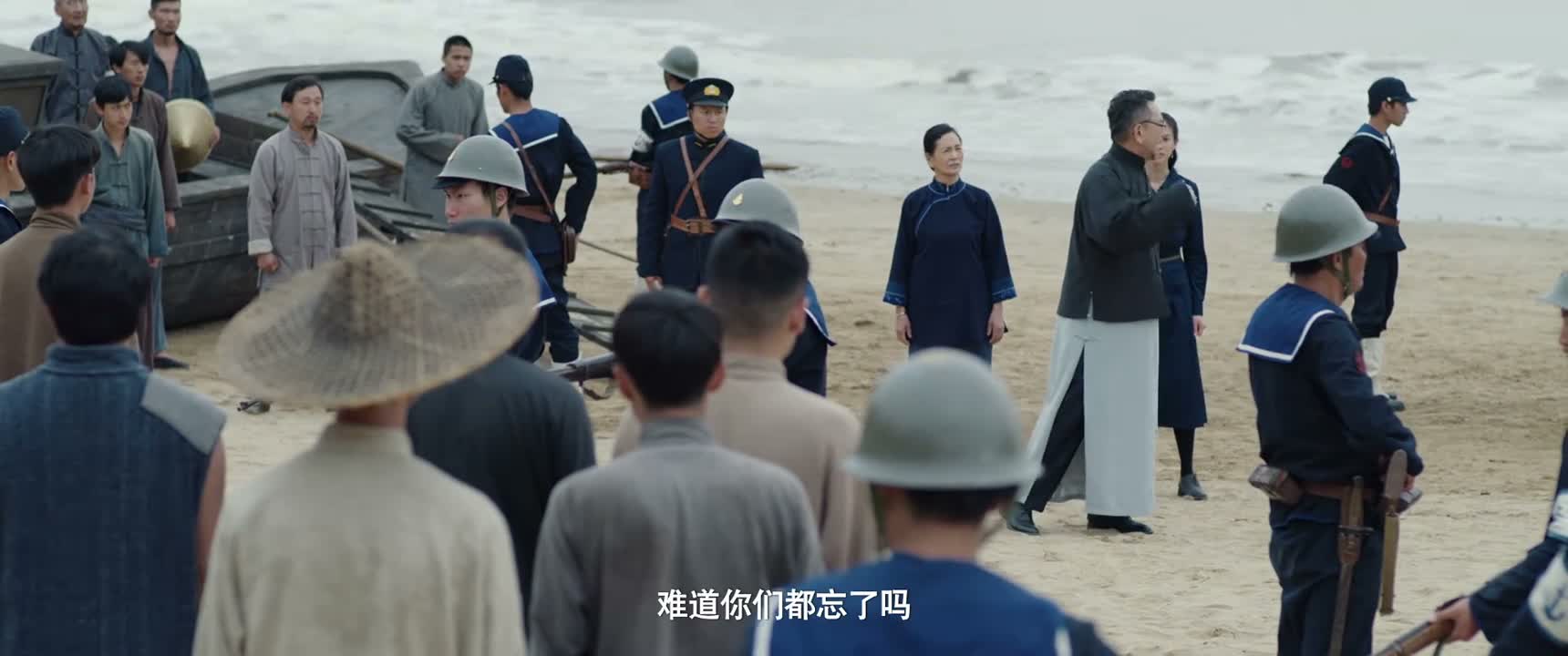
nǐ dōu wàng le ma zěn me duì nǐ men de nǐ wàng le ma

你都忘了吗 怎么对你们的你忘了吗

“Have you forgotten? Have you forgotten how they treated you?”

《The Guilty》 S1·E14
TIMECODE: 19:27 · 1080P MASTER AUDIO

THE DIALOGUE REEL

1+1+1 SPOKEN CONTINUITY
[-1] PREVIOUS TURN wǒ zuò cuò shén me le

“What did I do wrong?”

nǐ dōu wàng le ma zěn me duì nǐ men de nǐ wàng le ma CURRENT FOCUS

你都忘了吗 怎么对你们的 你忘了吗

“Have you forgotten? Have you forgotten how they treated you?”

[+1] FOLLOW-UP TURN rú guǒ bú shì wǒ hóu jūn wǒ bǎ cái liào bāng nǐ men dì shàng qù

如果不是我侯军 我把材料帮你们递上去

“If it weren't for me, if I hadn't helped submit those materials for you,”

Subtitles synced to millisecond timecode Browse Show Clips →
Scene: Crisis & Conflict
Function: GUILT TRIPPING
Tone: ACCUSATORY
Emotion: ANGER
WHAT THEY REALLY MEAN (PRAGMATIC SUBTEXT)
“You ungrateful coward, you owe your success entirely to me.”
💡 Cultural Insight: Enqing (Debt of Gratitude)

Chinese interpersonal relationships heavily emphasize remembering past kindness; forgetting someone's favors (忘恩负义) is considered a severe moral failing.

INTENT TAGS: #accusation #guilt_tripping #claiming_credit #reproach
🧩

LEARNING CHUNKS & PARTICLES

2 CHUNKS · 1 PARTICLES
都忘了吗 SPOKEN CHUNK

have you forgotten everything?

A rhetorical question used to express outrage when someone acts ungrateful or breaks a promise.

怎么对你们的 SPOKEN CHUNK

how (well) I treated you

Commonly invoked in emotional conflicts to highlight one's past benevolence toward others.

Modal Particle「吗」 (ma) CHANGE OF STATE

Forms a sharp rhetorical question challenging the listener's memory and loyalty.

🏮

VOCABULARY & EXPRESSIONS

3 EXPR · 0 GRAMMAR
CROSS-CINEMA CORPUS BOARD · PARALLEL SCENES

Parallel Spoken Cinema Scenes (语义近邻切片)

EXPLORE BY SEMANTIC SIMILARITY
《The Guilty》 S1·E14 (19:27) · Authentic Cinema Dialogue Corpus